Butler described a moment from Game 6 that he believes helped seal the Mavericks’ victory. He recounted the strategy discussed in the Miami Heat locker room, which leaned into a zone defense installed by coach Erik Spoelstra. According to Butler, the real challenge for Miami was Dwyane Wade, who could shape the game with his relentless attacks. The plan, as he described it, shifted the focus to limiting Wade’s impact and forcing other players to beat the defense with outside shots.
The core idea, Butler said, was to keep Chris Bosh out of the paint and nudge him toward jump shots, while pressuring LeBron James to take and make more jumpers and longer-range attempts. The defensive blueprint also aimed to wear LeBron down by sending him off screens and forcing him to exert extra energy, regardless of the setting or opponent. Butler suggested that this approach would gradually sap LeBron’s efficiency and reduce Miami’s explosive edge.
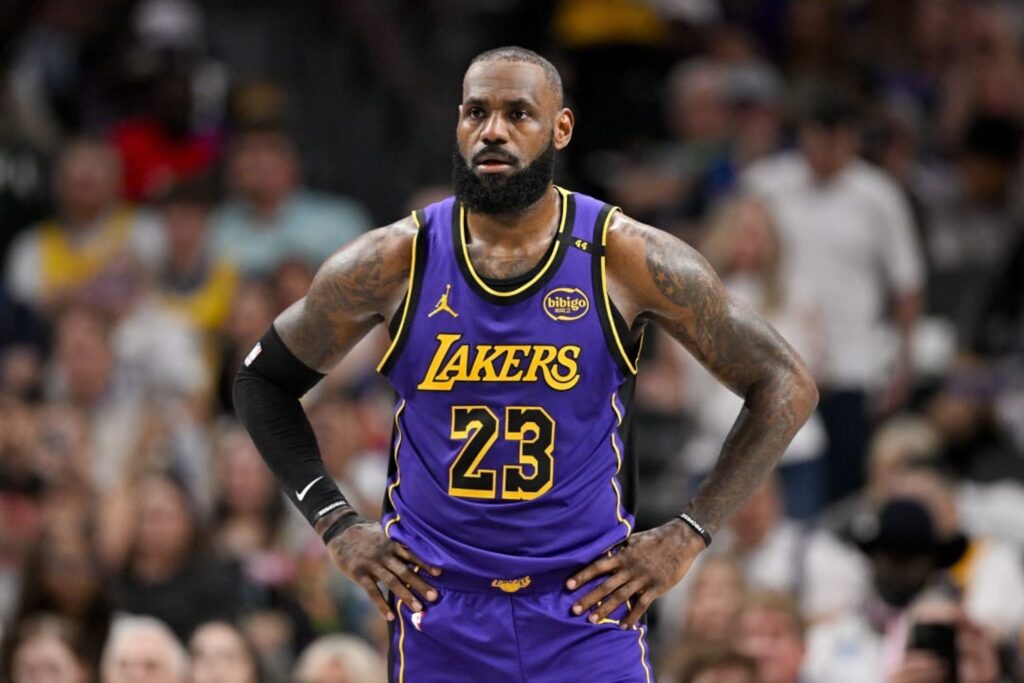
Butler’s account highlights a broader reality: even the best players can face moments when a defense appears to exploit a perceived weakness or force a difficult decision in high-stakes games. In that series, LeBron James averaged 17.8 points, 7.2 rebounds, and 6.8 assists per game while shooting 47.8% from the field and 32.1% from three-point range. Those numbers, while respectable in many contexts, stood out as underwhelming for a player widely regarded as one of the elite talents in the sport. Notably, he never took more than 19 field-goal attempts in a single game during the six-game showdown.
In the crucial closeout game, Miami needed a commanding performance to stave off elimination. LeBron finished with 21 points, four rebounds, and six assists, shooting 9-for-15 from the floor and 2-for-5 from beyond the arc. With Wade having an off night and Miami’s offense stalling at key moments, the decision-making around shot distribution drew inevitable scrutiny. The contrast between a star’s expected takeover and the actual on-court actions became a focal point of post-series commentary.
Wade, for his part, did his part by consistently applying pressure and driving the Heat’s attack, averaging 26.5 points, 7.0 rebounds, and 5.2 assists over the series. However, in Game 6 his shot wasn’t falling, finishing 6-for-16 from the field. Some observers note that Wade appeared to defer at critical moments, possibly deferring to LeBron in the hope of sustaining momentum rather than forcing tough attempts themselves.
Butler’s recollection underscores why the Game 6 moment is often cited in discussions about that series. If LeBron had demonstrated the willingness to take on the primary scoring load in a must-win situation, the narrative of that finals could have shifted dramatically. Instead, the Mavericks sensed an opportunity and leveraged a strategic defensive success to claim their first franchise title.
The 2011 Finals left a lasting imprint on LeBron’s career, shaping conversations about composure, leadership, and the impact a star can have in decisive moments. Despite later championship runs and record-breaking achievements, many fans and analysts still reference this series as a turning point in the public’s assessment of LeBron’s greatness. It remains a compelling case study in how strategic adjustments, player dynamics, and timely execution converge to determine the outcome of a high-stakes championship series.