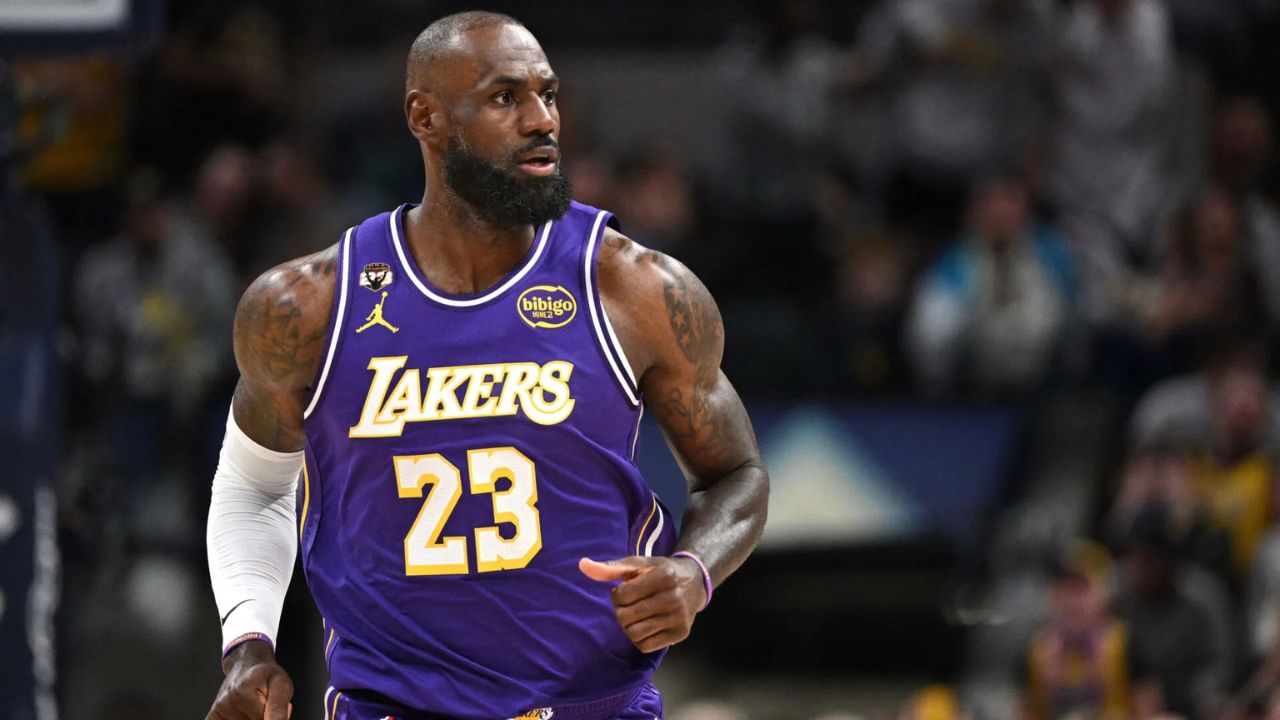
The central question remains: would LeBron have joined the Knicks this off-season if the franchise hadn’t captured a title? Observers and insiders suggest that a lingering factor in any such decision would be the championship narrative surrounding the Knicks. When a team has just secured a playoff crown, the dynamic changes in how that team is perceived league-wide, including its ability to attract veteran stars who might otherwise be open to joining a newer contender or a program in transition.
A key voice in this discussion has been Rich Paul, James’s longtime confidant and the CEO of Klutch Sports. Speaking on a popular podcast, Paul articulated the tension between pursuing talent and preserving the existing structure that propelled the Knicks to their championship run. He highlighted a simple, yet crucial truth: when a team wins, it creates a stable foundation that players who join midstream must respect. In this light, the Knicks’ championship, rather than making an easy case for a historic acquisition, instead complicates the calculus for bringing in a veteran superstar who would expect a seamless fit and immediate impact.
Paul emphasized the importance of recognizing what the current core has built. He pointed out that a star like LeBron, when entering a situation, changes more than the on-court dynamics; his presence alters the franchise’s enterprise value, brand appeal, and organizational risk-reward calculations. Even acknowledging LeBron’s legendary status, Paul indicated that the Knicks’ leadership—along with the team’s established players—would be cautious about disrupting a championship-era chemistry. Jalen Brunson, who emerged as the face of the franchise and the Finals MVP, represents a central figure in this balance. The sentiment conveyed was clear: Brunson’s role and leadership command respect and continuity, and any incoming star would need to integrate without compromising the cohesion that carried the team to the top.
The Knicks’ victory in the 2026 NBA Finals was achieved with a well-constructed roster that blended veteran savvy with rising talent. Key contributors included a mix of players who complemented Brunson and supported the top-line production. The starting lineup boasted depth and versatility, featuring players who could stretch the floor, defend multiple positions, and execute in late-game scenarios. This depth, combined with Brunson’s leadership, positioned the Knicks as a formidable title contenders beyond a single-season run, shaping how external stars might view joining the organization.
From a purely basketball and chemistry standpoint, LeBron’s presence would bring undeniable benefits: veteran experience, playoff know-how, and a championship-winning mindset. However, the same attributes could also pose challenges if they disrupt established roles or alter the dynamic that has proven successful. The Knicks’ front office would need to weigh not only on-court fit but also the intangible aspects of locker-room culture and the rapid integration of a player with a demanding schedule and a long history of high-stakes moments.
Financial and structural considerations add another layer. The NBA’s collective bargaining rules create salary cap constraints that can limit a team’s ability to offer substantial contracts to aging superstars who may be seeking long-term financial guarantees. In this scenario, the Knicks are described as being constrained by framework limitations that would naturally affect offer options, especially if they’re intent on maintaining a sustainable payroll while honoring the commitments to their core group. This reality underscores the practical challenges that come with pursuing a star of James’s caliber late in his career.
Ownership’s stance also matters. The franchise’s leadership has signaled a preference to avoid scenarios that would push the team into restrictive cap environments or force difficult financial compromises. Maintaining a balance between contending now and preserving the flexibility to build long-term winning teams is a delicate dance, particularly for a team that has just celebrated a championship milestone.
Perception among fans and pundits is another factor. The narrative around a “ring-chasing” move can have mixed outcomes. While adding a generational talent could be hailed as the final piece to cement dynasty ambitions, it can also invite scrutiny—fans might worry about whether the team’s identity and path to success would be preserved, or whether legacy players might feel overshadowed or displaced. The optics of a veteran star joining a defending champion carry weight in public discourse, media coverage, and player morale.
In the end, the most likely takeaway is that LeBron James, given the current champion status of the Knicks and Brunson’s ascendancy as the team’s cornerstone, would face a composed evaluation rather than an impulsive decision. The combination of on-court fit, locker-room harmony, financial feasibility, and organizational philosophy would all factor into any hypothetical move. While the allure of pairing LeBron with a championship-caliber squad is undeniable, the realities of the situation suggest a careful, respect-for-the-existing framework approach rather than a straightforward, all-in bid for the future Hall of Famer.
For fans, the discourse around free agency and potential blockbuster moves remains a compelling storyline. A scenario in which LeBron joins a team that just captured a title would represent a seismic shift in the league’s balance of power. Yet, the pragmatic aspects—team chemistry, cap constraints, and the established leadership within the locker room—play equally important roles in shaping whether such a historic pairing could come to fruition. The Knicks’ championship victory stands as a testament to what can be achieved with a cohesive, well-rounded roster, and that proof of concept continues to influence how both players and teams evaluate opportunity, fit, and timing in the ever-evolving NBA landscape.