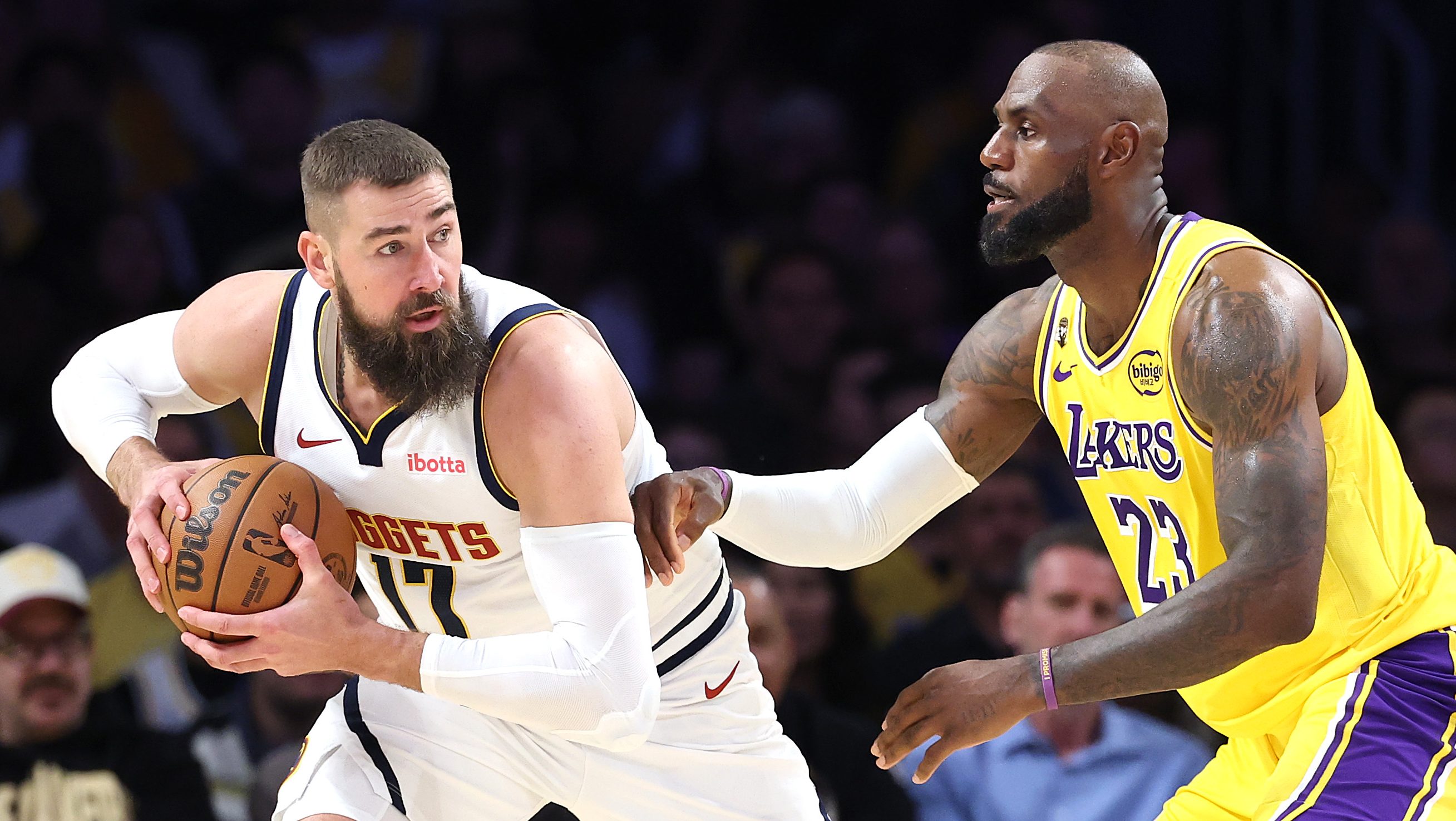
Current market readings show the Knicks priced well below major contenders. For example, in live markets, Cleveland is positioned among the top outcomes, with the Knicks registering a substantially smaller probability. Kalshi’s market rules indicate that contract resolutions depend on James’s next team prior to a specific date in late October 2026. Similarly, rivals like Golden State register meaningful probability, while the Knicks sit well behind them in these market estimates.
This dynamic aligns with broader reporting: while the Knicks have acknowledged interest, the strongest reporting points to a different direction. Sources cited in reputable outlets have described a period of due diligence rather than active pursuit of a roster overhaul centered on James. In other words, the Knicks are being evaluated but not presented as a primary, imminent destination in the eyes of market participants and journalists.
From a basketball standpoint, evaluating LeBron James is prudent for any team with championship ambitions. Even at 41, James remains a transformative player who can generate offense, punish mismatches, and organize playoff possessions. Yet integrating him into a roster that already built its identity around a different core presents complexity. The Knicks’ current centerpiece is Jalen Brunson, and their recent success demonstrates they can compete at a high level without adding a disruptive layer to the rotation. Introducing James would require a reassessment of offensive hierarchy, on-court roles, and the overall championship narrative.
Financial considerations further complicate a potential fit. While market chatter suggests possible openness to such a move, concrete financial constraints and the team’s focus on retaining its core limit how much flexibility a LeBron addition would realistically entail for the Knicks. Reports from major outlets have described the likelihood of a Knicks-LeBron pairing as unlikely, given the financial realities and strategic direction of the franchise.
Looking at the broader landscape, Cleveland and Golden State remain prominent destinations in theory because of narrative appeal and roster context. Other teams in the mix can present compelling cases tied to title contending setups, star pairing opportunities, or market appeal. For the Knicks, the appeal—home to Madison Square Garden, a championship-roster core, and a significant stage—remains, but market sentiment and roster logic currently point toward longer odds.
In summary, while LeBron James’s name frequently re-enters conversations about New York’s potential free-agent targets, current market indicators and reporting suggest the Knicks are not viewed as the leading suitor. The situation embodies the tension between evaluating a legendary player’s fit and respecting the team’s existing championship trajectory. For Knicks fans, the takeaway is clear: the LeBron rumor mill remains active, but the odds of a move in the near term appear low given the competitive landscape and the franchise’s current priorities.