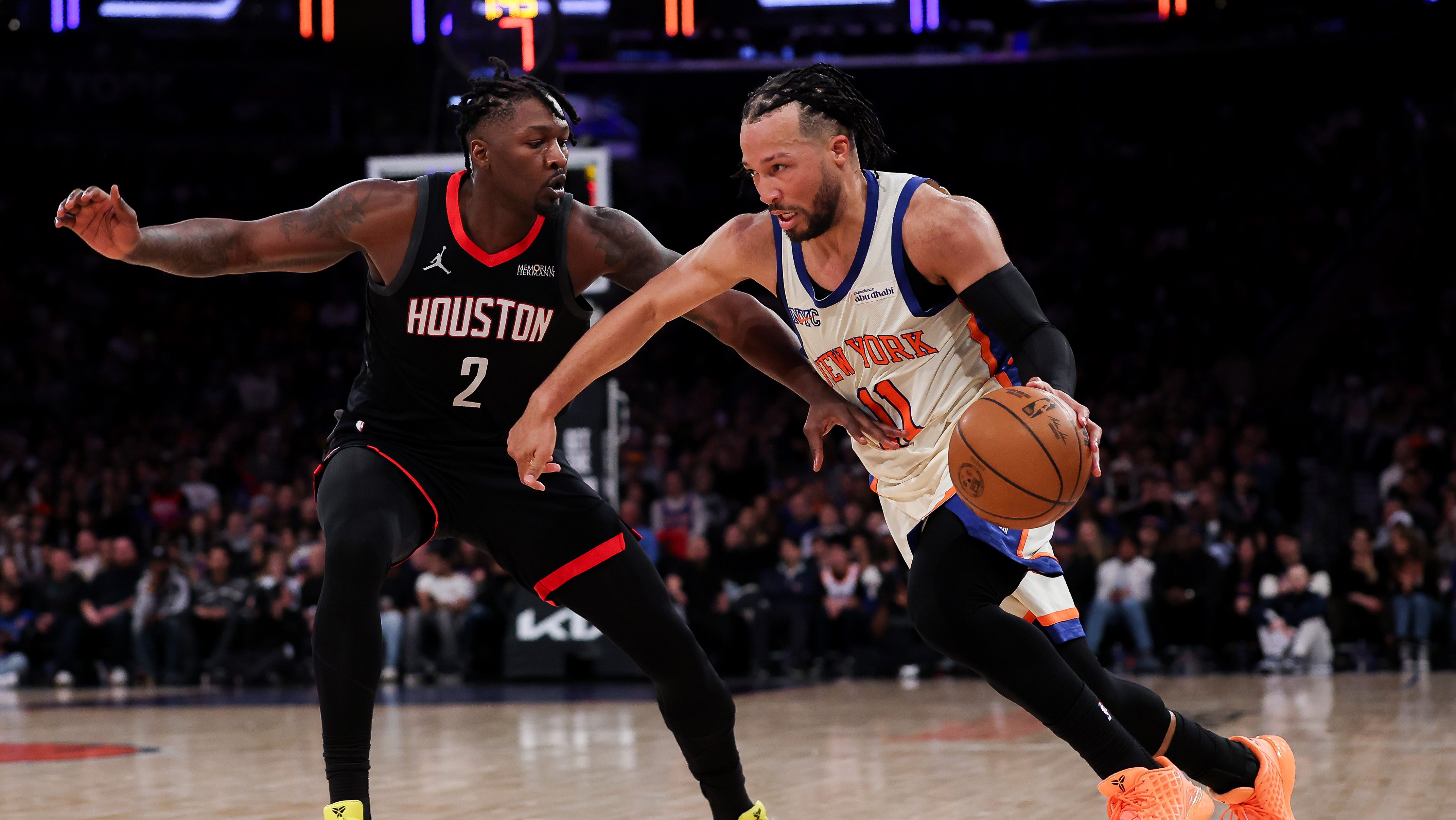
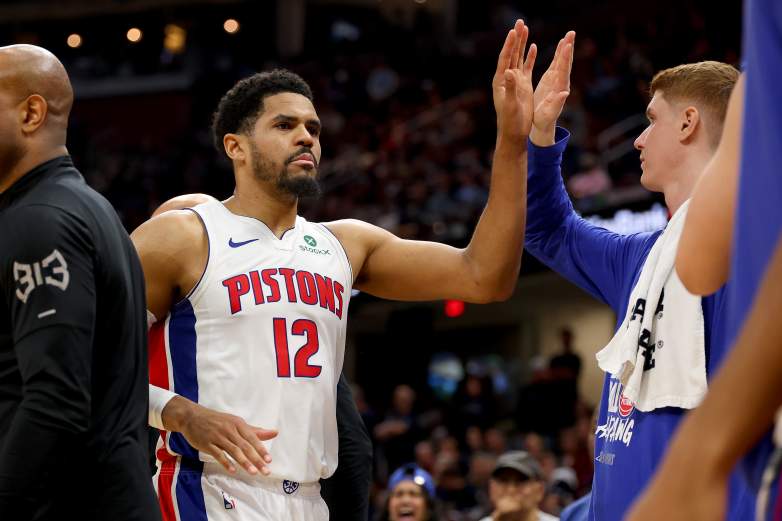
In the current landscape of free agency, no club has yet secured a definitive commitment from James. Industry insiders emphasize that discussions are in early stages, with teams that have reached out to his camp not receiving a firm yes or no. This atmosphere leaves room for several franchises to position themselves as credible contenders, including organizations that have shown persistent interest in pairing with James.
One team that has publicly expressed interest in maintaining dialogue with James and his representation has been the Minnesota Timberwolves. The front office has reportedly kept lines of communication active with James’s entourage this week, signaling a genuine attempt to explore a partnership. For Minnesota, the strategic appeal centers on pairing James with a core that already features young talents and veteran leadership. A successful recruitment would hinge on how the team balances payroll and roster construction, especially given the potential tax implications and the available salary mechanisms for a veteran presence.
Beyond the Timberwolves, several prominent franchises are considered strong contenders in discussions about James’s next destination. Among these, teams with established contending cores, proven track records in developing players, and favorable ownership relationships could pose the stiffest competition. Notably, clubs with championship pedigrees or recent success are frequently highlighted as likely landing spots, given James’s history of choosing franchises where his impact can accelerate a title push.
A key consideration for any suitor is not just the financials, but also the role James would occupy. Scouts and analysts have indicated that James, while still capable of moving the needle on both ends of the floor, may be most valuable in a role that leverages his experience, leadership, and versatility rather than asking him to shoulder an entire offense or defensive scheme. For Minnesota, the potential path could involve sliding James into a forward-oriented role, where he can impact both scoring and playmaking while mentoring younger players and elevating the team’s competitive mindset.
The debate about which team has the best chance to land James often centers on fit, culture, and the ability to maximize a championship window. Some observers argue that a veteran-heavy, championship-ready organization with established chemistry could be better suited to accommodate James’s minutes and responsibilities, ensuring that his presence translates into sustained success without overburdening the roster. Others contend that a younger, more dynamic squad—especially one featuring up-and-coming stars—could benefit from the mentorship and professional standards James brings, accelerating development while contending sooner rather than later.
In terms of roster construction, Minnesota’s recent moves have sparked conversations about how to integrate a player of James’s stature. The team would need to navigate luxury-tax considerations and determine which salary exceptions could be deployed to secure a veteran of his caliber. Options might include utilizing non-taxpayer mid-level exceptions or veteran minimum contracts, depending on the team’s cap realities and tax status. The decision would also hinge on whether the franchise views James as a cornerstone piece or a bridge to cultivate younger players who could grow into the team’s long-term core.
If a move materializes, the potential lineup could feature a mix of experienced leadership and young talent. A frontcourt or wing-oriented lineup, featuring high-usage scorers and versatile defenders, could maximize James’s playmaking and scoring ability while preserving space for emerging talents to develop. The strategic objective would be to assemble a balanced unit capable of competing at a high level in a demanding conference.
From a legacy perspective, James’s choice could reflect personal priorities beyond pure competition. Considerations such as ownership relationships, market dynamics, lifestyle, and the potential for a meaningful role in a championship pursuit all weigh into the decision-making process. While some destinations may offer a more straightforward pathway to glory, others might present a different kind of challenge—one that emphasizes cultural fit, player development, and long-term impact on a franchise.
As free agency unfolds, fans and analysts will be watching closely to see which teams emerge as front-runners and how James’s camp views the aligning factors of talent, structure, and opportunity. Regardless of the destination, his decision will shape the trajectory of several franchises and influence how teams construct their rosters around a player whose impact on the game has transcended generations.
In the meantime, Minnesota remains in the conversation as a legitimate option among several contenders. The eventual choice will reflect a blend of strategic planning, cap management, and the allure of competing alongside a roster that includes young stars and seasoned veterans alike. The process will continue to evolve as James weighs his next chapter and teams refine their proposals to attract a player of his unique stature and championship experience.