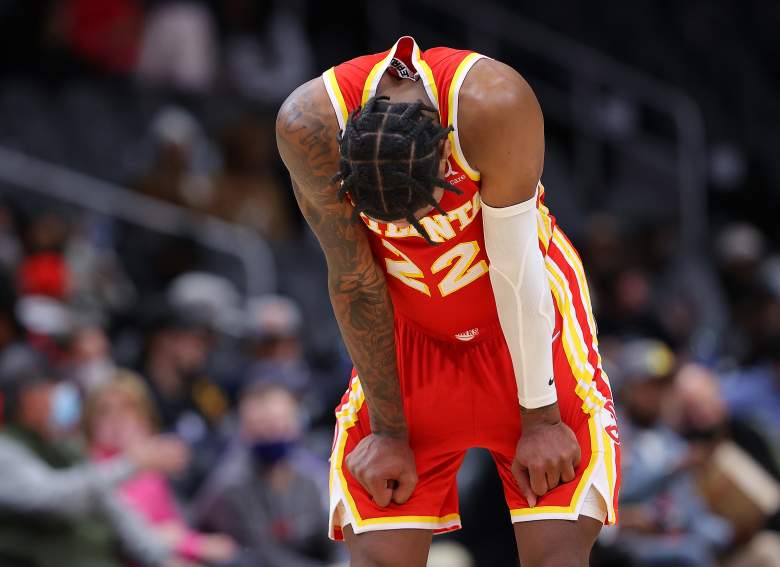
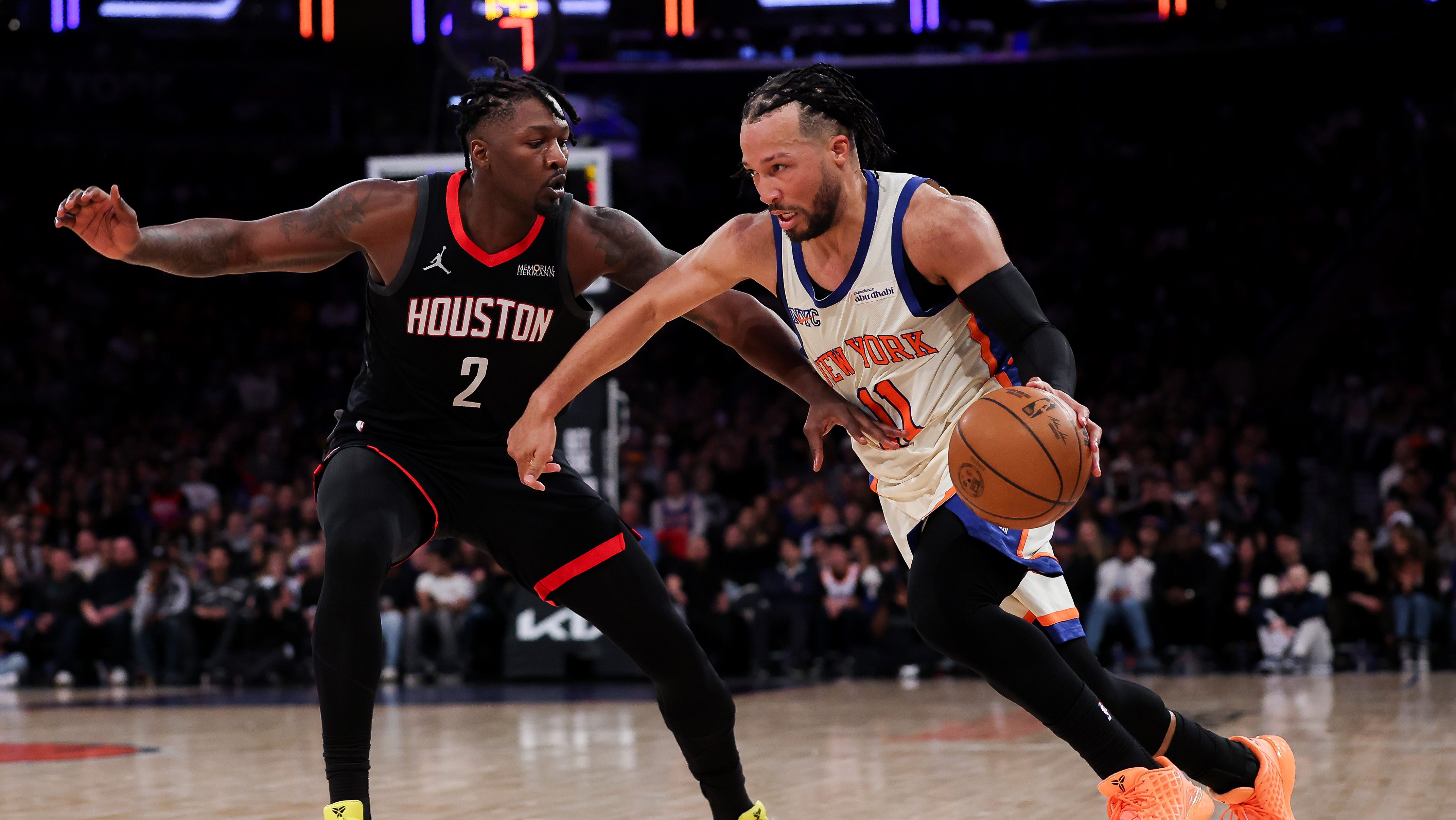
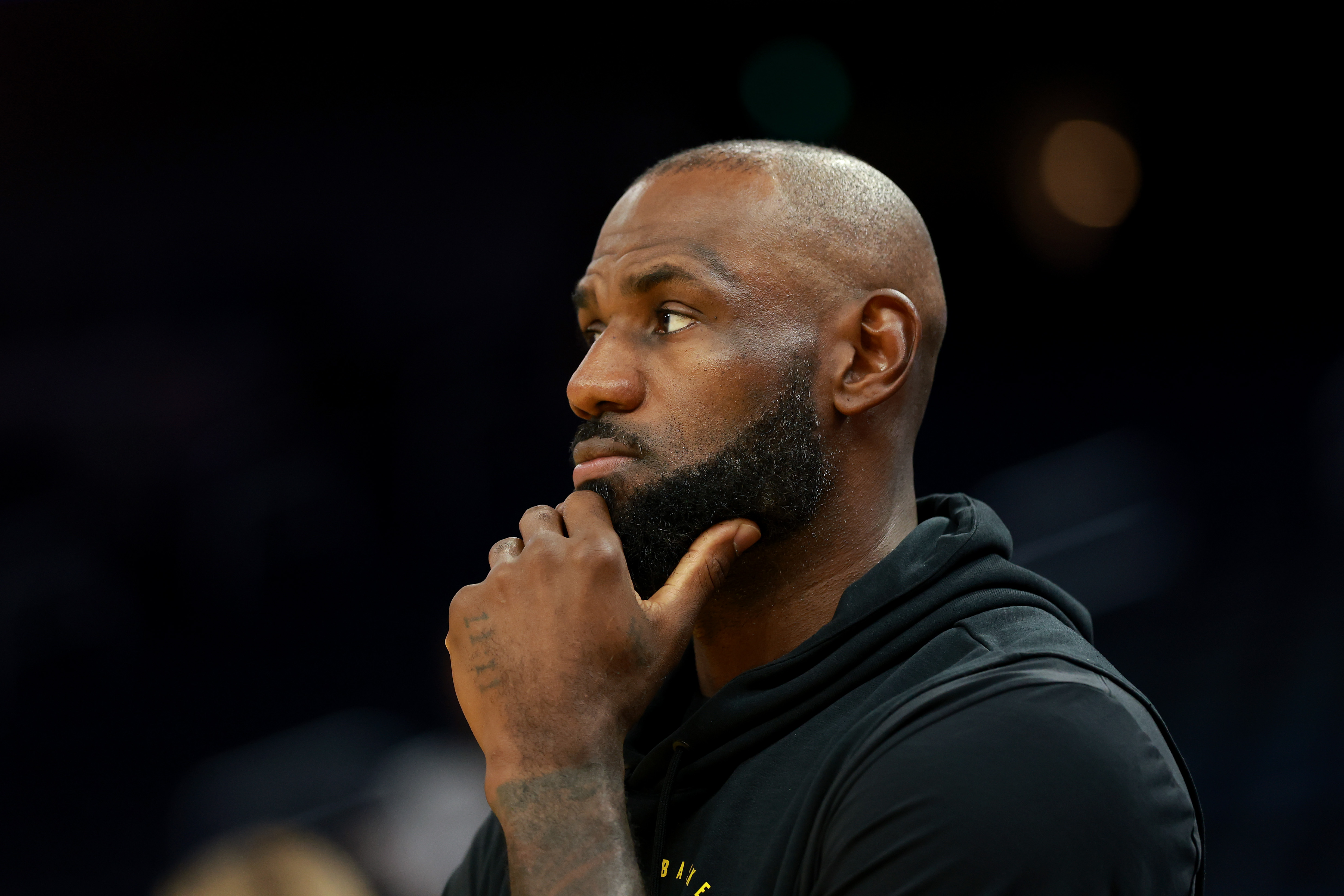
Harris explained his decision to leave Detroit after two seasons in a conversation with HoopsHype’s Michael Scotto. The primary factor was championship urgency: “The urgency to win a championship,” he texted. “It felt like both our goals aligned.”
This decision closes a productive chapter in Detroit, where Harris evolved into a trusted veteran as the franchise worked to reclaim contention.
Pistons’ efforts to retain Harris were genuine. During the postseason, Bickerstaff passionately defended the veteran’s impact. “Nobody can say [expletive] to me about Tobias Harris,” he said, praising Harris’s leadership and clutch performances. Team president Trajan Langdon also publicly stated Detroit’s desire to keep him before free agency commenced.
Scotto reported that Detroit was among five teams pursuing Harris before he chose his next destination. Other interested clubs included the Los Angeles Lakers, Los Angeles Clippers, Atlanta Hawks, and Charlotte Hornets. Harris ultimately selected a path he believed offered the best opportunity to compete for another NBA championship.
In anticipation of Harris’s departure, the Pistons had already started pivoting. They agreed to acquire John Collins from the Los Angeles Clippers in a sign-and-trade, in a three-year, $51 million deal, positioning the roster for a different frontcourt dynamic. This move preserved roster flexibility and kept veteran sharpshooter Duncan Robinson within reach, enabling the team to continue building around young core players like Cade Cunningham and Jalen Duren after last season’s strong performance.
Harris’s impact went beyond the box score. In the 2025-26 regular season, the 15-year veteran averaged 13.3 points, 5.1 rebounds, 2.5 assists, and 0.9 steals per game, shooting 46.9 percent from the field, 36.8 percent from three-point range, and 86.6 percent from the free-throw line across 63 games. His value extended into the intangible realm: he was frequently described as a “safety blanket” for the team, given his consistency in pressure moments and reliability in high-stakes situations. During the Pistons’ playoff run, Harris elevated his game, averaging 18.1 points, 7.2 rebounds, 1.4 three-pointers, and 2.3 combined steals and blocks, finishing as the second-leading scorer and providing veteran leadership to Detroit’s young core.
Despite departing, Harris expressed gratitude toward the organization. He spoke of the opportunity to be part of Detroit’s rebuild, reflecting on the friendships, relationships, and team chemistry developed over two seasons. He emphasized that the experience rekindled his love for the game and brought him joy.
With Harris moving on, the Pistons have entered a new era at the frontcourt, anchored by the addition of Collins and the ongoing development of their young players. Harris left behind a meaningful legacy in Detroit, characterized by leadership, reliability, and a willingness to perform in clutch moments. The decision reflects a personal priority for Harris: a championship-focused trajectory that he believes aligns with the path laid out by his new team.