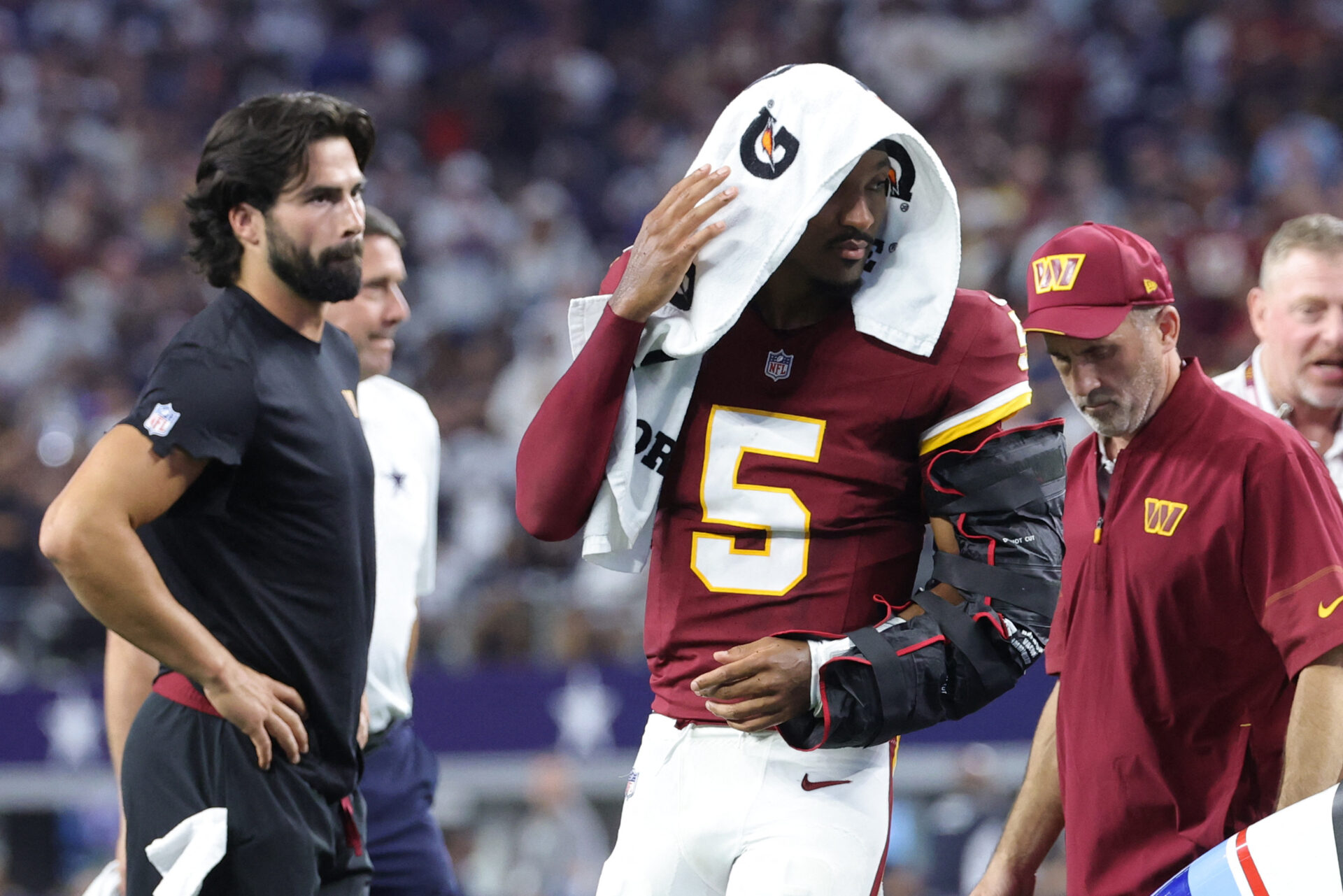
Early reports indicated Williams was carted to the locker room for evaluation, with the severity of the injury not immediately disclosed. As with any hamstring setback, the healing timeline can vary, and additional tests are typically needed to determine the precise diagnosis. Fans and analysts will be watching closely for updates in the coming days as Williams undergoes further medical evaluation to assess the extent of the damage and the expected recovery period.
In the immediate aftermath, there was a sense of cautious optimism surrounding Williams’ condition. The initial sight of him walking under his own power in the locker room without crutches was viewed as a positive development by teammates and observers alike. While a limp or stiffer movement early on could signal a more significant issue, the early image of Williams moving independently offered reassurance to a team trying to stay competitive after the late-week misfortune.
During a media segment ahead of Sunday Night Football, a veteran NFL insider provided an update that fueled cautious relief among Bears supporters. While acknowledging the seriousness of the moment, the reporter suggested there was optimism that the injury might not be severe. The prevailing sentiment in the hours after the incident was that the injury could end up being a lower-grade hamstring strain, often categorized as a Grade 1 injury, which carries a shorter recovery timeline compared to more severe strains. However, it was still too early to know for certain, and MRI results planned for the following day would offer more clarity.
The Bears’ quarterback situation was already under a spotlight heading into the next stretch of the schedule. If Williams is unavailable beyond a brief absence, the team would need to rely on contingency plans, including potential action from fellow quarterback Tyson Bagent or others on the roster. The timing of the injury adds a layer of complexity, with the team preparing for a quick turnaround when the next game arrives.
The timing of the injury could also influence strategic decisions for the coaching staff. An extra day of rest accompanying the next scheduled game provides a potential window for Williams to heal and regain his strength, but it also introduces the challenge of balancing caution with the need to compete at a high level. For Williams, the priority is to recover fully and return to game action when medically cleared, ensuring he can perform at the highest level without risking long-term setbacks.
From a broader perspective, this development matters for the Bears’ offense and their prospects in the early part of the season. Williams has been a pivotal figure, providing a dynamic presence that can stretch defenses and create opportunities for playmakers around him. His absence, even if temporary, can alter game plans and force the offense to adapt with alternate schemes and personnel. The coaching staff would likely emphasize quick-decision execution, efficient ball distribution, and a strong run game to mitigate the impact should Williams miss time.
Fans will be eager to hear any updates on Williams’ status after the medical evaluations. The team will monitor symptoms, MRI results, and progression through rehabilitation to determine a timeline for potential return. In the meantime, the Bears will lean on the rest of the roster, focusing on stability, disciplined execution, and maintaining competitive form while Williams and the medical staff determine the best path forward.
As the organization awaits a clearer prognosis, one constant remains: Williams’ leadership and presence on the field are a force multiplier for the Bears. The road ahead may require patience, but the potential for a swift and favorable recovery offers hope to supporters who remain invested in the team’s trajectory for the season.
– This summary reflects the unfolding situation surrounding Caleb Williams’ injury and the Bears’ immediate plans as medical assessments continue.