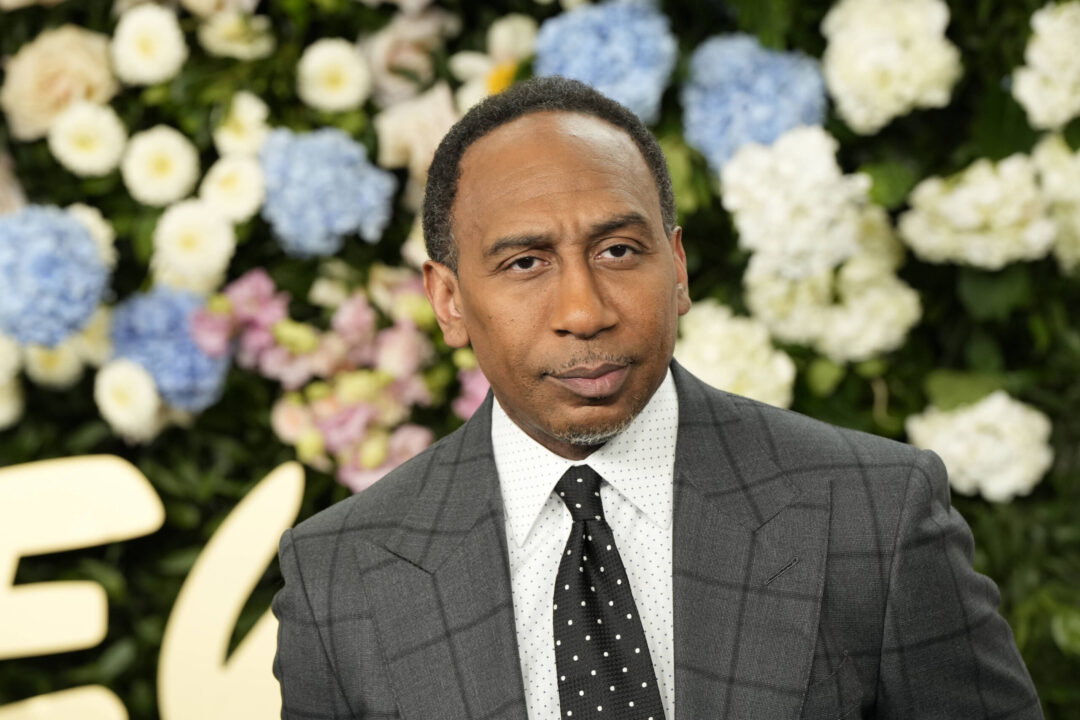
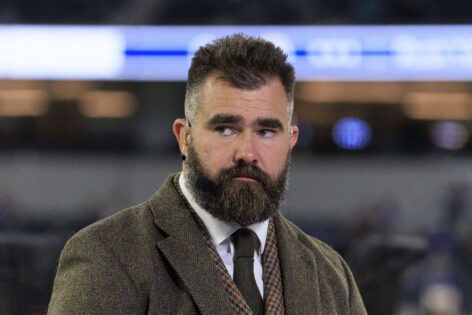
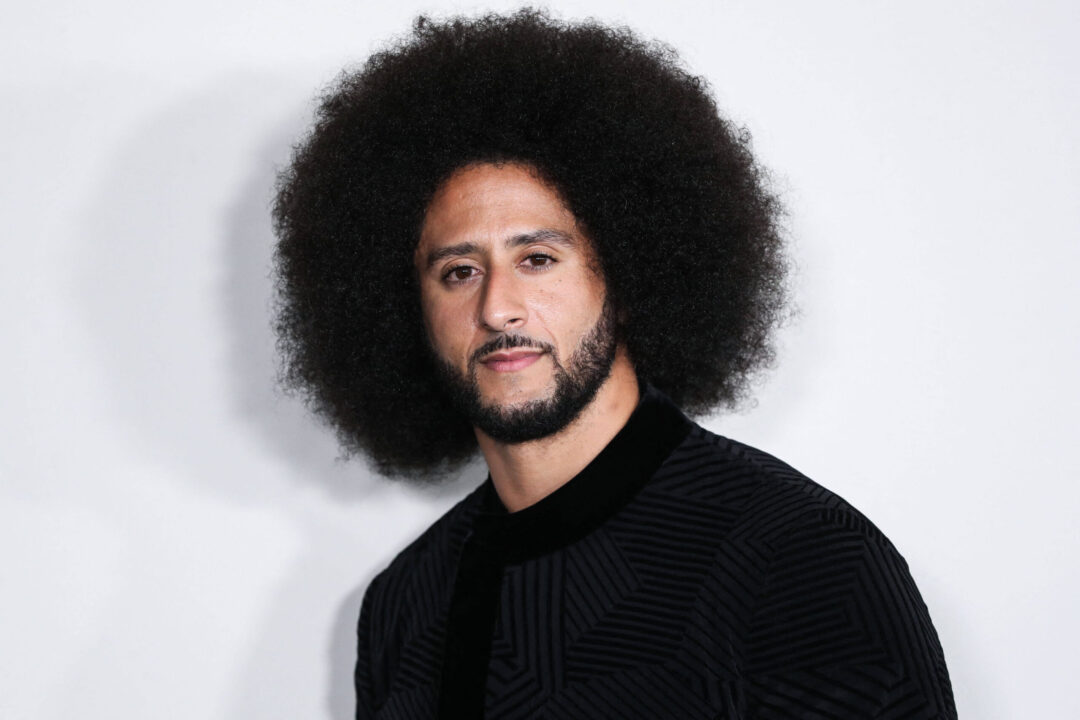
Drew Lock – Seattle Seahawks
The Seahawks opened with high expectations and excitement at home. Early on, the starter, Sam Darnold, was limped off after being sacked on a third down, sidelining him for the remainder of the game with what was described as a soft-tissue injury. Seattle turned to Drew Lock, a veteran who has logged time with several franchises and brings a wealth of experience to the offense.
Lock’s performance was efficient and decisive. He completed 16 of 22 passes for 187 yards and threw one touchdown. While not flashy, his game management was strong: he didn’t turn the ball over and helped the Seahawks control key moments. Statistically, Lock ranked sixth in EPA per play and ninth in yards per attempt across the league that week, underscoring his effectiveness compared to peers.
A crucial moment came when Lock connected with Jaxon Smith-Njigba for a 45-yard touchdown, which stood out as the offensive play of the day for Seattle. The defense also rose to the occasion, pressuring the opponent into multiple turnovers, including three interceptions thrown by the opponent’s quarterback. With Darnold’s status uncertain for the near future, Lock’s steady play provided a bridge to stability while the team navigates a temporary quarterback vacancy.
Carson Wentz – Minnesota Vikings
The Vikings faced questions about their quarterback depth heading into the season, especially after a series of rumors about potential replacements. An early-season concussion sidelined the starter, and in stepped veteran quarterback Carson Wentz, who had previously served as a long-time starter for several teams and had spent recent seasons as a backup. Wentz was tasked with guiding Minnesota’s offense in the absence of the starter and did so with poise.
Wentz went 12 of 19 for 133 yards and threw three touchdowns, including two to star receiver Justin Jefferson. His performance showcased his ability to run a game plan with precision, managing the offense without turning the ball over and letting the defense carry significant load. The Vikings built a commanding lead, winning 39-22 over Green Bay, a testament to the backup’s readiness and the system’s ability to support a veteran quarterback stepping into a key role.
Context and takeaway
– Backup quarterbacks who are prepared and capable of running the offense can make a substantial difference when the starter is unavailable. Both Lock and Wentz demonstrated the value of experience, game management, and minimizing mistakes.
– A strong defense helps any quarterback in these situations by providing opportunities for short fields and takeaways, which can amplify a backup’s effectiveness.
– While longer-term timelines for the injured starters remain fluid, successful appearances by capable backups can stabilize a franchise during the initial weeks of an absence and help maintain playoff aspirations.
In Week 1, these two performances stood out as clear examples of executives and coaches having confidence in their backups and the players delivering when called upon. Their contributions underscore the importance of depth at the quarterback position and the impact a prepared veteran can have when stepping into a pivotal role.