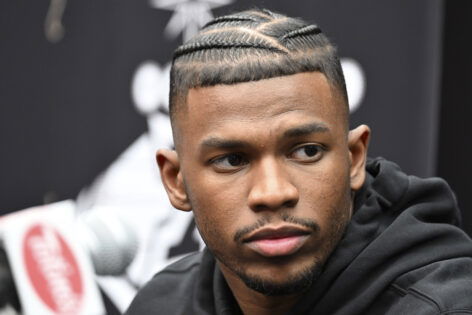
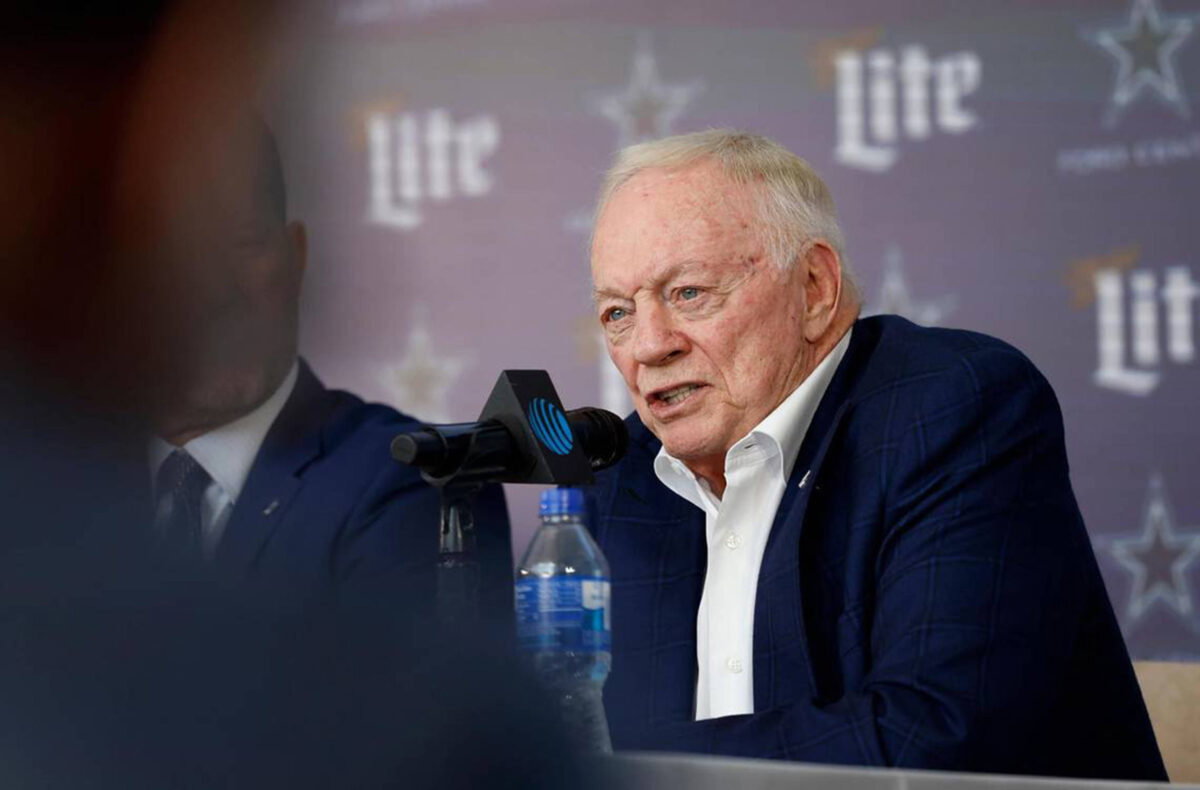
The core difference between these two high-profile talents centers on ownership and production structure. The host described his position as that of a traditional corporate employee, with a flagship show owned and operated by the network. In contrast, the other figure operates as an independent entrepreneur who built a digital and media ecosystem on his own terms and now licenses it to a major network.
This distinction isn’t merely about titles or reputations; it has real financial implications. At present, the corporate host is under a long-term contract valued at well over $100 million across five years, averaging roughly $20 million per year, plus additional perks tied to other projects. The independent creator, by comparison, commands a substantially larger annual figure—roughly $30 million in a blended arrangement that includes a substantial portion for leasing his program and another for additional on-screen appearances tied to a national program.
To complicate matters, recent reporting suggests that the network is negotiating a blockbuster extension with the independent creator, with potential annual earnings rumored to be in the range of $60–65 million. This proposed package is designed to cover the full scale of the operation, including the production crew, studio staff, and all associated overhead necessary to sustain the show’s expansive footprint. The size of this potential deal highlights a broader tension within the network’s approach to compensation and control at the top tier of talent.
Historically, the corporate host has publicly wrestled with limits on creative freedom. A prior contract dispute in the late 2000s led to a period of departure and subsequent return, illustrating the long-running push-pull between a network’s governance and a star’s appetite for autonomy. Even as the host negotiates equity in a growing portfolio of side ventures, the constraint remains: corporate guidelines must be observed, even as the independent producer operates outside the usual framework.
In discussions about whether the independent creator is following a path akin to the host’s legacy, the host was clear: he does not view the comparison as fair. Instead, he offered genuine respect for the other figure’s approach, acknowledging that the independent creator “bet on himself” and carved out a unique lane. This admission was noteworthy because it underscored a rare moment of public recognition from a longtime network staple.
Reaction online was swift and polarized. Some fans interpreted the host’s assessment as envy or resentment, suggesting he was frustrated by being outpaced in the rapidly evolving landscape of sports media. Critics argued that the distinction between being an employee and building an independent brand is fundamental; creators who build outside the traditional system inherently acquire leverage that standard employees cannot claim. Applause came from others who praised the independence and hustle of the other creator, celebrating the innovation that disrupted conventional sports programming.
There were also defenders who argued the host’s analysis was measured and insightful, with some viewers saying the host was simply laying out the facts of the business model rather than voicing bitterness. They pointed out that the independent creator reshaped the genre by introducing a new formula for engaging audiences, while the network’s top talent operates within established corporate boundaries.
Beyond the debate about ownership, tax and employment structures entered the conversation. Observers pointed out that the independent producer operates as an external vendor rather than a traditional salaried employee, which naturally affords different privileges and contract terms. This distinction helps explain the divergent compensation and control dynamics at play.
Overall, the moment has become a focal point for discussions about how sports media is evolving. It highlights a broader shift in which major networks must navigate the tension between maintaining traditional, highly controlled programming and embracing independent, entrepreneur-driven productions that can redefine audience engagement. The debate continues as contracts, platforms, and revenue models evolve in real time, reshaping the landscape for on-air personalities and the companies that rely on their star power.
This discussion serves as a reminder of the changing economics of sports broadcasting, where independence and corporate structure each offer distinct advantages and risks. The industry’s future may well hinge on how networks balance the desire for creative control with the benefits of scalable, outside-production partnerships that can attract and retain top talent in an increasingly competitive market.