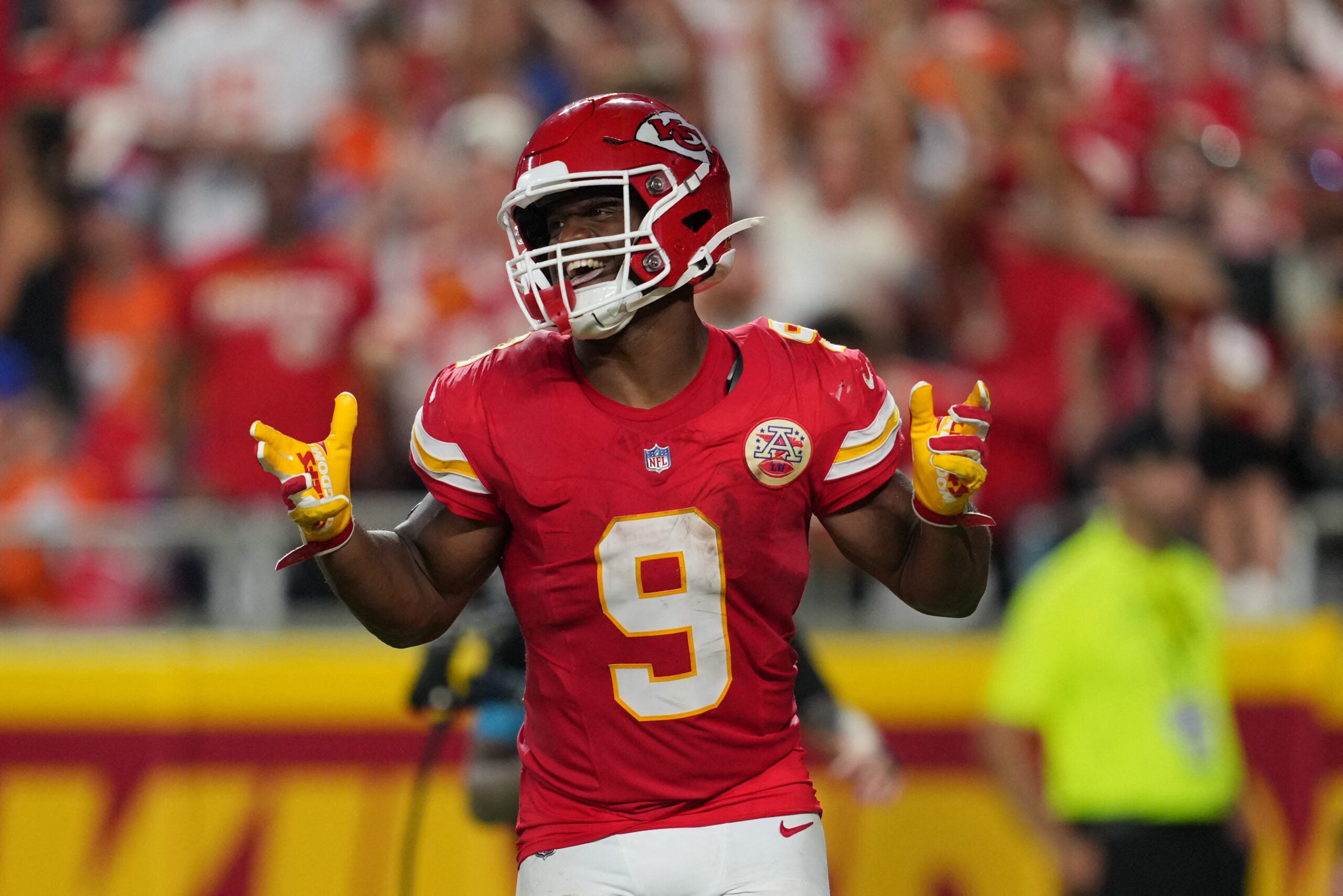
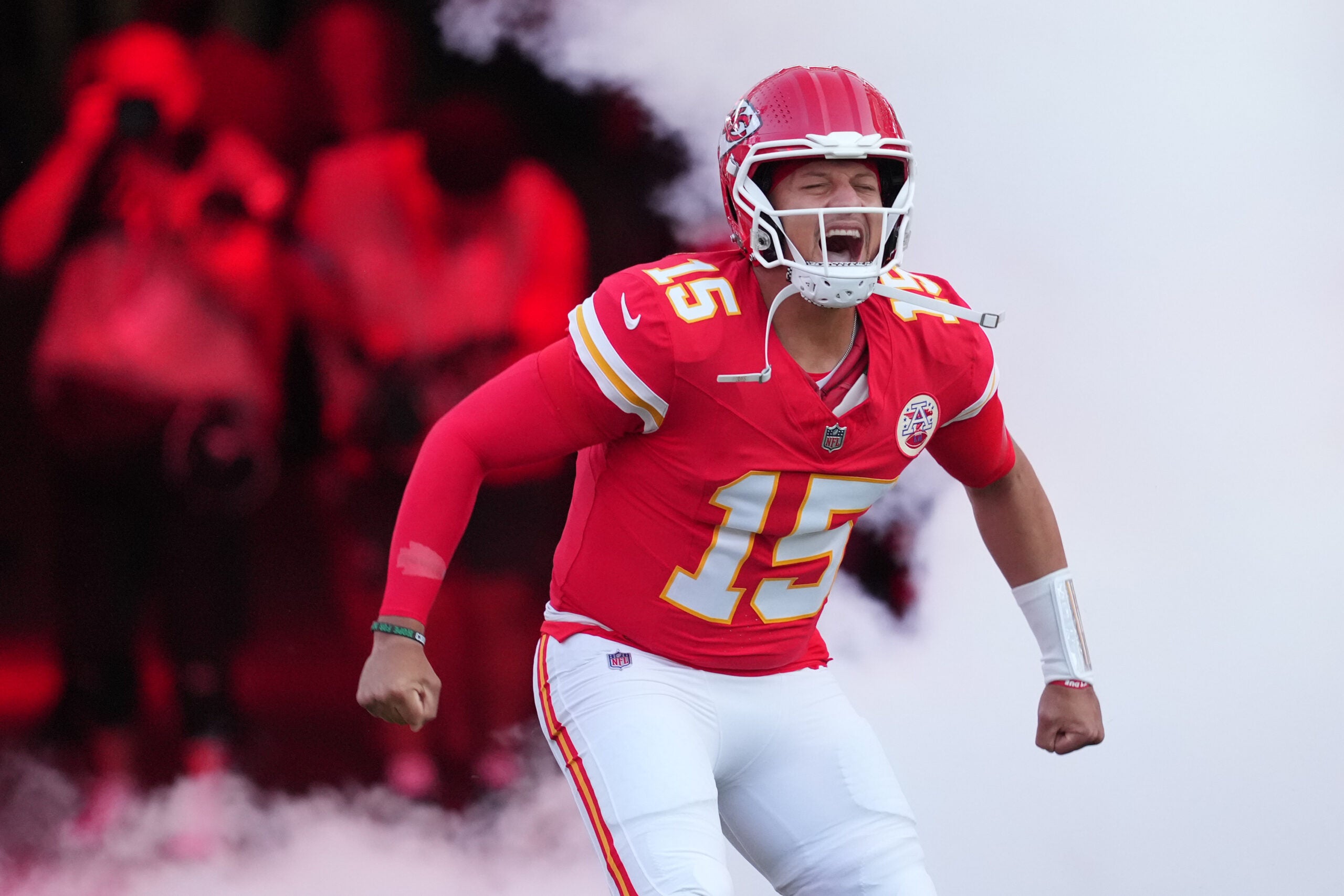
The game narrative around the Chiefs typically centers on the aerial prowess of quarterback Patrick Mahomes and the surrounding cast. In this particular matchup, however, the passing game struggled to find its rhythm for long stretches. The Chiefs leaned into the ground game, with new contributor Kenneth Walker making an impact and the team maintaining a slim advantage as the game wore on. It was in this environment that Kelce’s signature playmaking ability shone brightest, transforming a routine sequence into a game-changing crescendo.
Early in the game, Kelce logged only a single reception for six yards—a reminder that even the best talents can disappear briefly against stifling coverage or by design game plans. Then the veteran tight end did what has become his calling card: convert a modest opportunity into a monumental gain. On a short pass from Mahomes, Kelce turned a routine throw into a 59-yard sprint for the end zone. He shook multiple tackles and powered his way down the field, nearly finishing with a high-impact score before being brought down just short of the goal line.
That single play altered the perception of Kelce’s impact in the game and reinforced his standing in the broader history of the position. Since entering the NFL in 2013, Kelce has accrued an extraordinary career line: more than 1,000 receptions, surpassing 13,000 receiving yards, and a string of touchdowns that places him among the elite tight ends in league history. In the context of all tight ends, Kelce’s production sits at the upper echelon, and his cumulative yardage now places him ahead of several notable names who spent portions of their careers in other uniforms, cementing his status as a generational talent.
A broader historical note accentuates Kelce’s stature: his ongoing ascent has him positioned near the top of the all-time receiving yardage list for tight ends, a testament to durability, consistency, and peak performance that has endured across a long and demanding career. While some observers speculate about the twilight of Kelce’s prime, performances like the one described demonstrate that he still possesses the ability to alter the math of a game when his team needs it most.
From a strategic standpoint, Kelce’s continued excellence presents two critical implications for the Chiefs. First, it ensures that the offense retains a ceiling that defenses must respect, even when the passing game as a whole is struggling. Second, it reinforces the importance of play design that creates opportunities for Kelce to exploit mismatches—whether in coverage, alignment, or situational game dynamics. The Chiefs can lean on him as a reliable engine in the most high-leverage moments, reinforcing why his presence remains a cornerstone of the franchise’s long-term plans.
Looking ahead, questions about Kelce’s longevity and role will persist as the league evolves and defenses adapt to his continued relevance. Yet the substance of his latest big-play moment provides a clear counterpoint to any narrative that suggests decline or obsolescence. He may not replicate every explosive sequence with the same frequency as in his early years, but the trend line remains impressive: Kelce continues to deliver at a level that places him among the most impactful tight ends in NFL history.
In sum, the Chiefs’ offense benefited from a timely explosion by Travis Kelce, a reminder that greatness can still emerge in moments of uncertainty. The play not only energized the team in that moment but also contributed to the larger record of a player who has consistently redefined what a tight end can achieve. As Kelce continues to chase historical milestones, his ability to transform ordinary plays into extraordinary gains will likely remain a defining feature of his storied career.