The Detroit Lions’ 2024 draft cohort serves as a focal point in the conversation. Cornerback Terrion Arnold, the team’s first-round pick, faced offseason legal issues and is currently with another franchise, where status is uncertain as the league waits for resolutions. Ennis Rakestraw Jr. missed most of his first two seasons due to injury, and while he made the final 53-man roster this summer, his playing time remains to be seen. Giovanni Manu appeared in only one practice session this summer, and the team has experimented with moving him to guard, among other adjustments, without early signs of breakthrough. Sione Vaki has shown value on special teams, and there is potential to see him contribute as a running back if opportunities arise, especially with changes in the depth chart at that position.
Mekhi Wingo did make the roster, a development that surprised some observers, and Christian Mahogany earned a spot as well. If he performs well, Mahogany could be Detroit’s starting left guard in Week 1 and potentially hold that role through the season barring roster moves.
Taken together, the Lions’ draft class might appear underwhelming at first glance—no Pro Bowlers, no clear-cut major starters, and only one player who entered the regular rotation as a starter in year one. That reality invites scrutiny of the overall performance of the class and the job of the general manager in evaluating and deploying such talent.
The broader context for 2024 is striking. Of the 257 players selected, 96 are no longer with the team that drafted them — 37.4% after only two seasons. While it’s common for later-round picks to be released and seek opportunities elsewhere, this figure stands out as unusually high. Despite the churn, the draft produced 14 Pro Bowl selections and six All-Pros, but only 27 players were considered true starters by the end of the two-season window under strict criteria (having started every game of their rookie season, starting their second season, and expected to start in 2026). By these stringent standards, just 27 players from the entire class qualified as starters.
A team-by-team breakdown underscores how widespread the volatility was. Several franchises ended up with multiple Pro Bowlers from the class, while others had few or none. A number of clubs had a handful of players who started for the first two seasons but ultimately did not secure long-term roles with their original teams. In several cases, clubs that appeared to be “winners” in the short term still faced challenges in maintaining long-term impact from their draft selections.
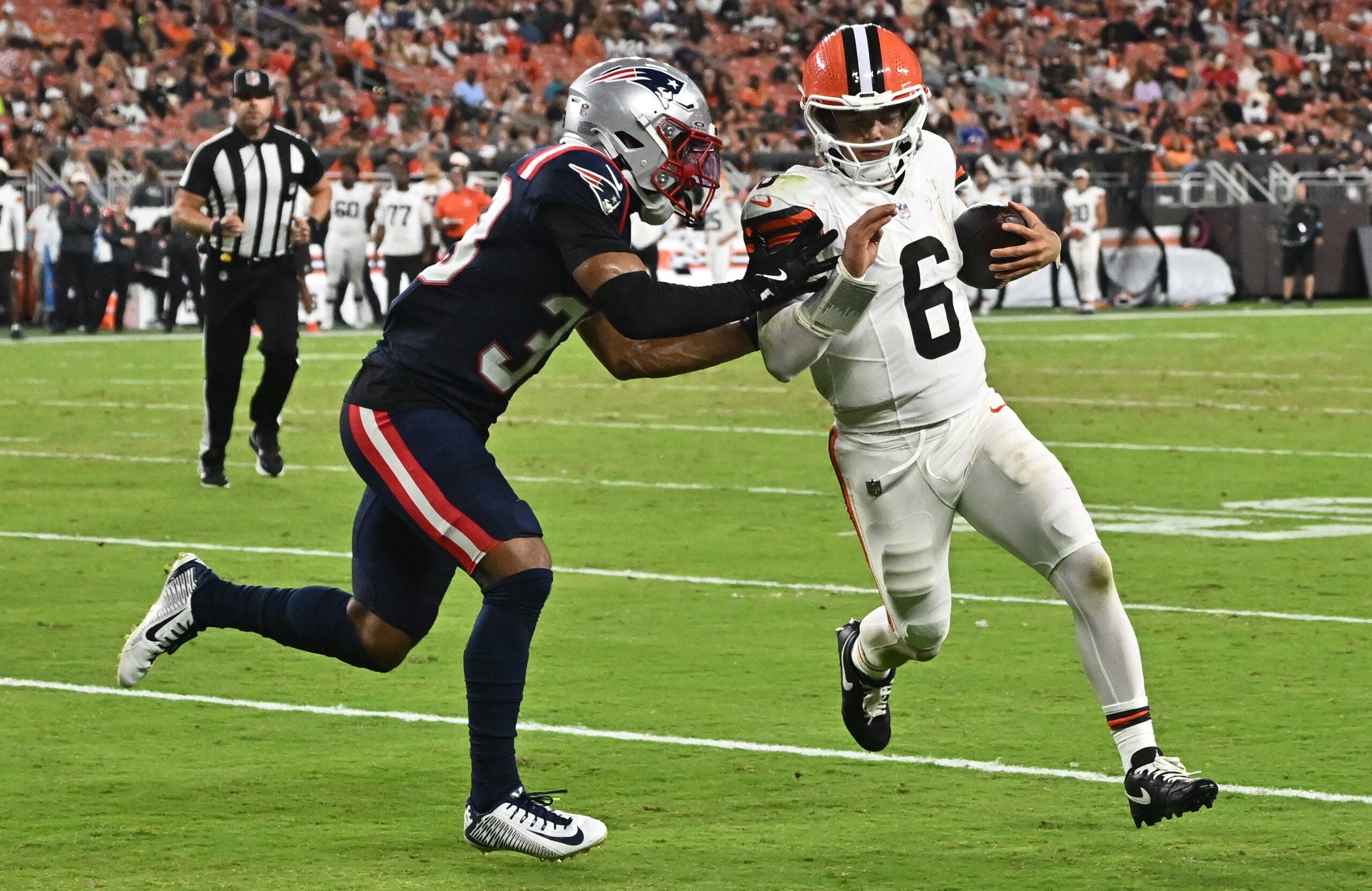
Looking at teams that reached the NFL’s pinnacle recently, such as the Patriots and the Eagles, the narrative remains nuanced. The Patriots, who reached the Super Bowl in the prior season, had only one player from the 2024 draft on the roster by the end of the reporting period, Drake Maye, highlighting how a single useful pick can still translate to success even as the broader draft class struggles. The Eagles, with a couple of notable selections, also show that a few hits do not necessarily offset the broader trend of turnover in a class that underwhelmed relative to expectations.
In summary, the 2024 draft class appears to have underperformed across many teams, with a mix of departures and limited immediate impact. While it’s far from a uniform verdict across the league, the collective outcome has prompted reevaluation of draft strategies, player development pipelines, and how teams maximize late-round and developmental picks. The Lions’ situation illustrates that even a team with a reputation for strong development can face a challenging reality with a draft class that doesn’t yield multiple long-term starters or high-profile Pro Bowl players. As teams continue to navigate rosters and future drafts, the key takeaway is that talent evaluation and player development must adapt to the evolving landscape of the league.