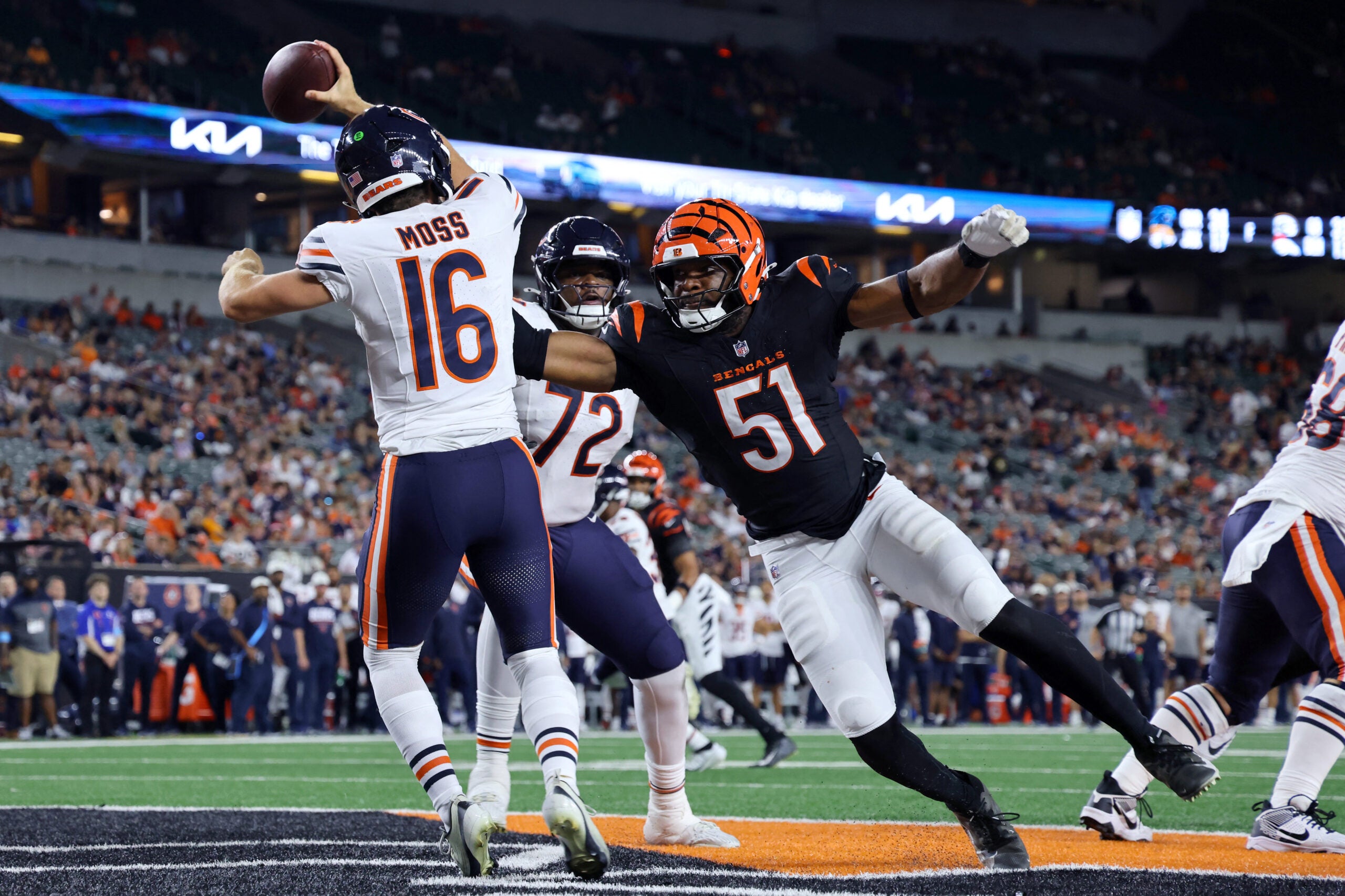
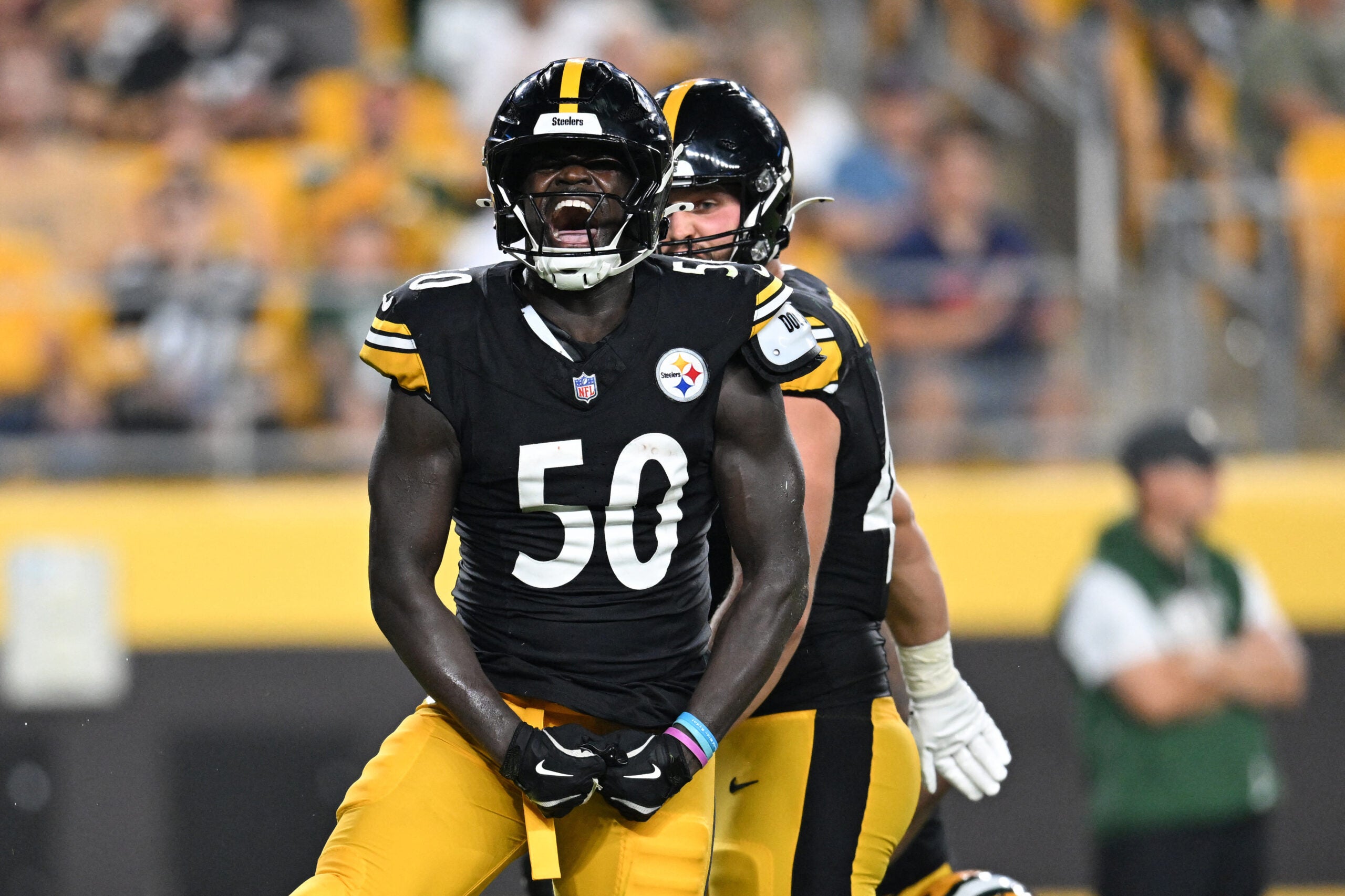
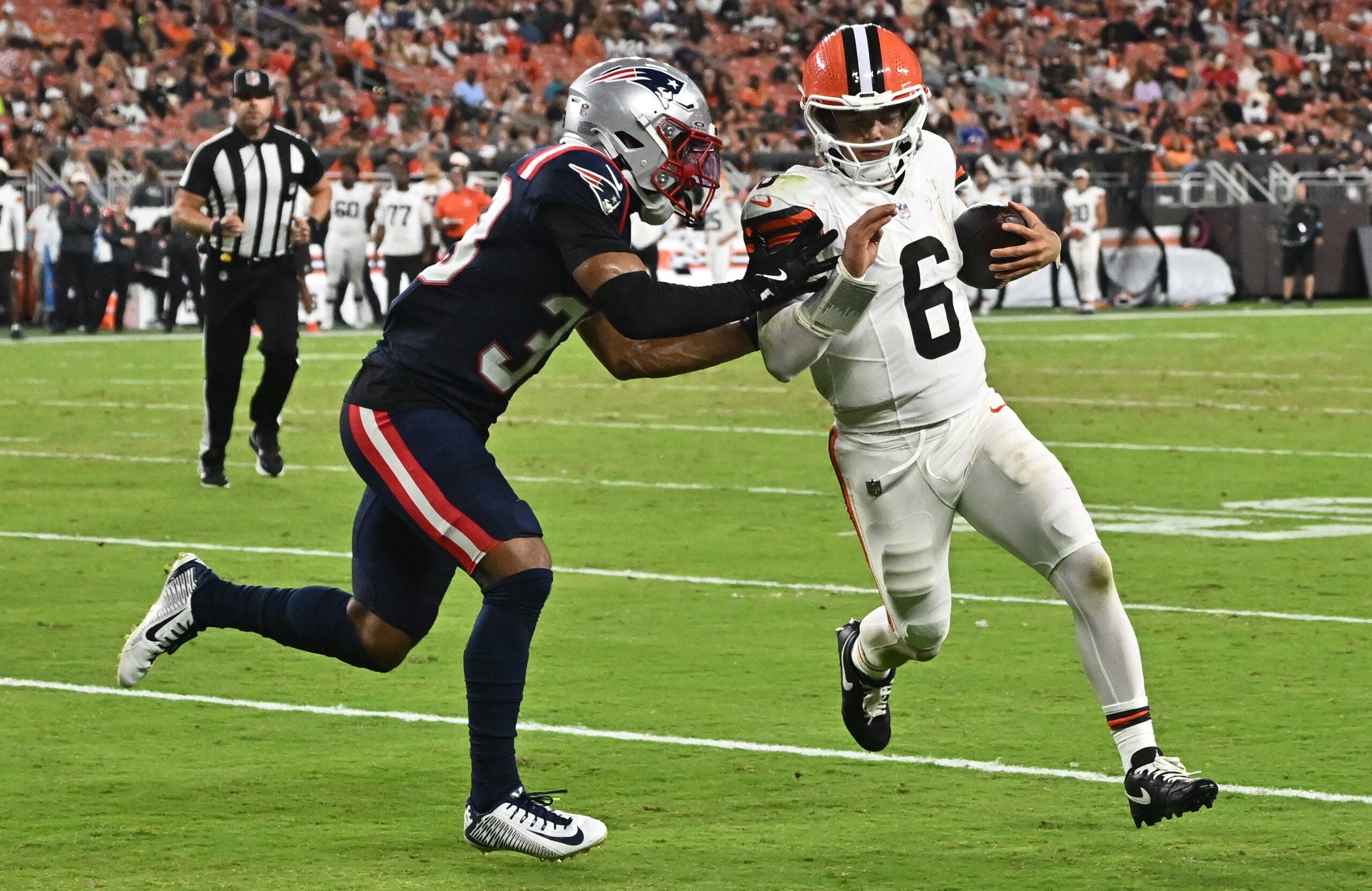
The Weru and Bernard situation draws plenty of attention from observers. Joshua Weru and Uar Bernard emerged as notable stories during camp, showing flashes that excited the fan base. Both players were on the fringe of the roster: Weru as a seventh-round pick and Bernard as an International Pathway Program participant who had earned opportunities through the developmental program rather than traditional draft routes. Their waiving, while disappointing to supporters who saw potential, is not an indictment of their talent but rather a practical outcome when teams must decide how to allocate limited roster spots.
From a roster-building perspective, it’s common for clubs to prioritize players who can contribute immediately or provide a clearer path to special-teams roles. In this instance, there was a reasonable expectation that at least one of these players might clear waivers and rejoin the practice squad, where they could be called up as needed. The takeaway is that the team valued other options as more ready-to-play contributors for this season, while still preserving the possibility of future development for Weru or Bernard if opportunities arise.
On the flip side, the departure news was tempered by a few important positives. The edge position, long identified as a potential weak spot, received a notable update that has fans and analysts feeling more optimistic about the immediate future. Jonathan Greenard, who was acquired via trade and given a substantial contract, was not placed on the physically unable to perform (PUP) list at the start of the season. This distinction is crucial: it signals that the coaching staff expects him to be available to contribute within the early weeks of the campaign, avoiding an extended period of inaction and ramp-up time.
Greenard’s status matters for several reasons. First, it provides a clearer path to corner the pass rush with a player who has demonstrated production and versatility. The trade and contract reflect a commitment to adding a legitimate edge presence, someone who can pressure the quarterback and occupy blockers to free up teammates. Second, avoiding a PUP designation reduces the risk of delayed impact, which has implications for the team’s defensive rotation and overall scheming. If Greenard can contribute sooner rather than later, the defense gains a valuable tool in Vic Fangio’s scheme, which emphasizes pressure, discipline, and linebacker play off the edge.
Despite the positive development with Greenard, the team is navigating a balance between younger players’ development and the need for proven production. The offseason has highlighted the challenge of integrating newer, potentially higher-ceiling players with established veterans who can deliver day one. The coaching staff’s rhetoric during training camp has consistently underscored the importance of depth along the defensive front, particularly at defensive end and outside linebacker positions. The expectation is that a combination of green-light opportunities for up-and-coming players and immediate contributions from veterans will be necessary to achieve a more consistent pass rush.
Looking ahead, the Eagles face decisions about how to leverage the current roster while preparing for the regular season. There is a realistic possibility that one or both waivers could eventually find their way back to the organization, likely on the practice squad, should other teams pass on placing them on their initial 53-man rosters. This contingency approach allows the team to preserve developmental options without sacrificing readiness for Week 1.
In the broader context, the team’s approach to roster construction demonstrates a clear intent: prioritize players who can contribute promptly, retain flexibility for in-season adjustments, and continue investing in the defensive front to address a historically scrutinized area. The combination of Greenard’s favorable status and the remaining questions at other positions will shape how the team builds its rotation and depth over the coming weeks.
Fans can expect continued evaluation of the edge and defensive line with a focus on depth-driven competition. The coaching staff will likely continue testing rotations, evaluating special-teams contributions, and monitoring health as the season approaches. While some promising young players may depart the active roster, there remains confidence that the organization is aligning its resources toward a more productive and resilient defense.
In summary, the latest roster moves reflect a strategic balance between short-term readiness and long-term development. The favorable news regarding Jonathan Greenard’s anticipated availability provides a meaningful lift for the pass rush, while the waivers of Weru and Bernard highlight the difficult, reality-based decisions that come with shaping a competitive NFL roster. As training camp concludes and the team finalizes its plans for Week 1, the emphasis will be on building a sustainable, impactful defensive unit that can withstand the grind of an NFL season.