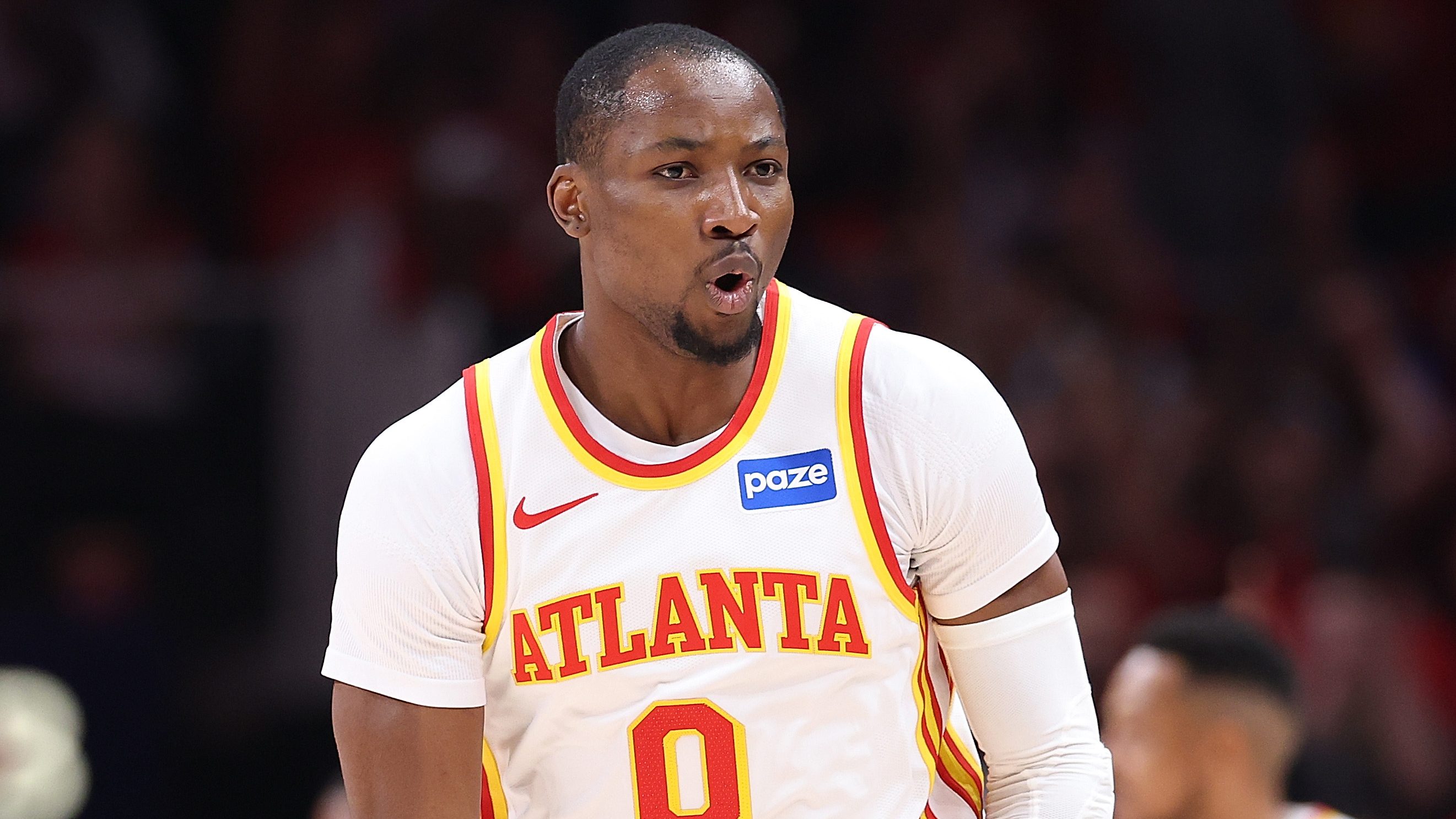
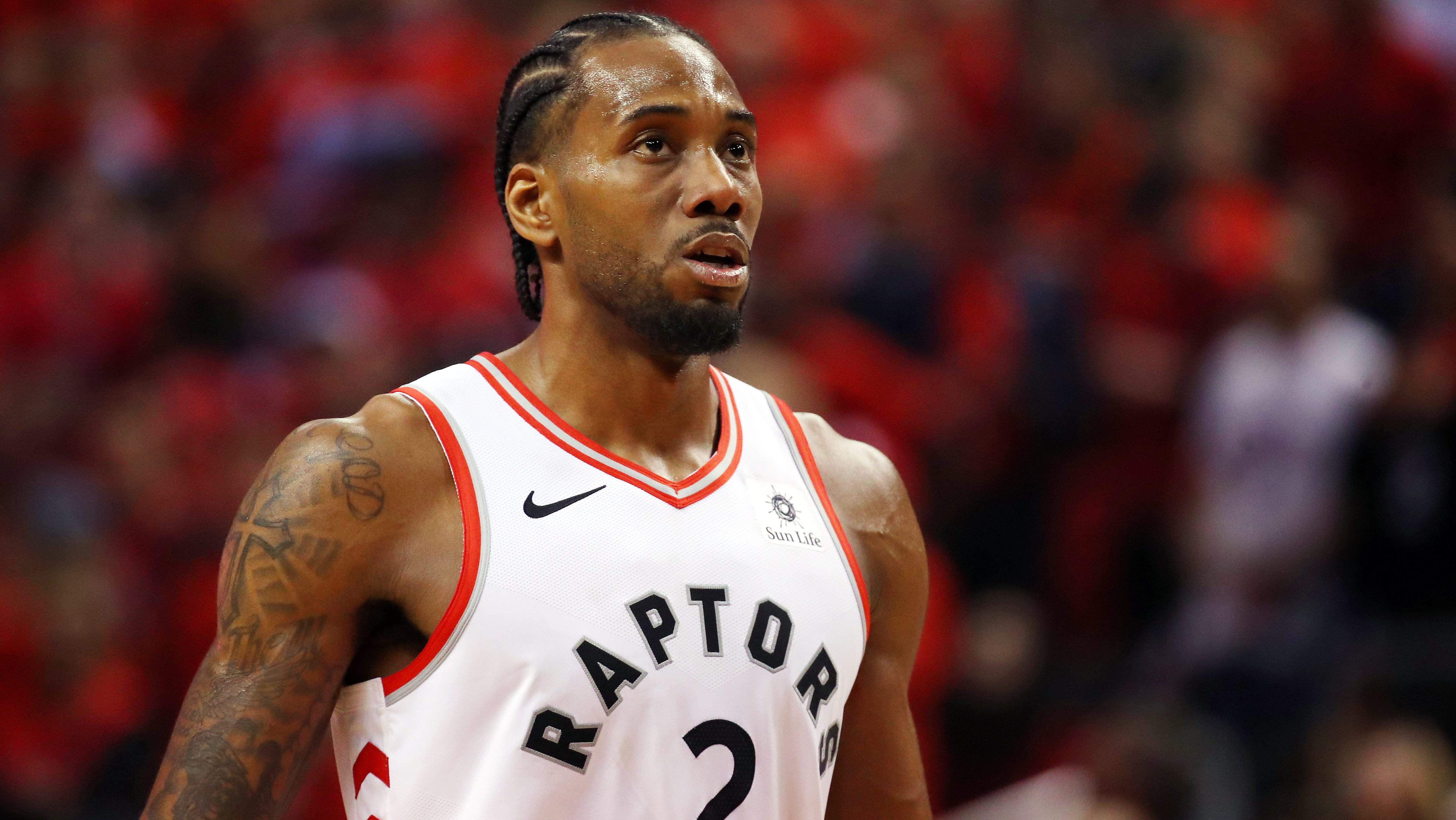
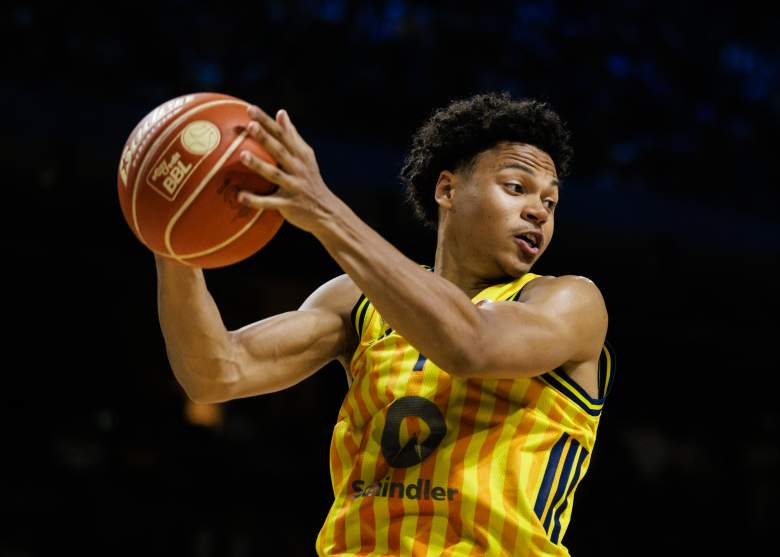
Kuminga, one of the NBA’s most watched prospects in recent seasons, was selected by the Golden State Warriors in the 2021 draft as a potential piece of the franchise’s next era following the Stephen Curry era. However, he never settled into a consistent role in Golden State, eventually moving to Atlanta ahead of the 2026 trade deadline.
The Hawks declined Kuminga’s team option, making him a high-priority name on the open market. The Lakers have been aggressive in their pursuit, but a successful acquisition would require careful negotiation and strategic moves.
A hypothetical three-team trade scenario has been discussed, involving the Denver Nuggets and a player swap and sign-and-trade framework that could land Kuminga with the Lakers while upgrading the Hawks’ wing depth.
In this proposed arrangement:
– Hawks receive: Peyton Watson, via sign-and-trade.
– Nuggets receive: Jarred Vanderbilt, plus Hawks’ 2027 and 2029 first-round picks and the Lakers’ 2033 second-round pick.
– Lakers receive: Jonathan Kuminga through a sign-and-trade.
In this setup, the Hawks would gain a young, versatile asset in Watson, a player whose development could lead to a larger role in the future. The Nuggets would obtain financial relief to manage potential luxury-tax implications, while the Lakers would add Kuminga, a player they have coveted this offseason.
Support for a sign-and-trade option has been floated, with discussions suggesting Kuminga could head to Los Angeles if Atlanta accepts a package including Vanderbilt and a future draft-pick swap. This kind of move would depend on how willing the Hawks are to part with Kuminga in a sign-and-trade and what the Lakers are prepared to offer in terms of salary and future assets.
Kuminga’s market value appears to be a central topic, with reports indicating the Hawks’ position on his contract and the Lakers’ willingness to meet his asking price. While L.A. has already pursued several free-agent targets this offseason and committed substantial payroll, unlocking the necessary cap space to accommodate Kuminga remains a challenge.
Ultimately, landing Kuminga would require a combination of favorable negotiations, strategic asset exchanges, and agreement on a market price that satisfies both Kuminga’s expectations and the teams involved. As talks continue, the Lakers’ front office will assess all viable pathways to add the 23-year-old wing to their roster, while the Hawks balance the potential long-term benefits of a Watson-led wing upgrade against the price of Kuminga.
The evolving landscape of this pursuit highlights how multi-team maneuvers can create paths to acquire young talents while addressing each team’s broader roster and financial considerations. As the offseason progresses, fans will be watching which teams ultimately secure Kuminga and how the surrounding trades reshape the balance of power in the league.