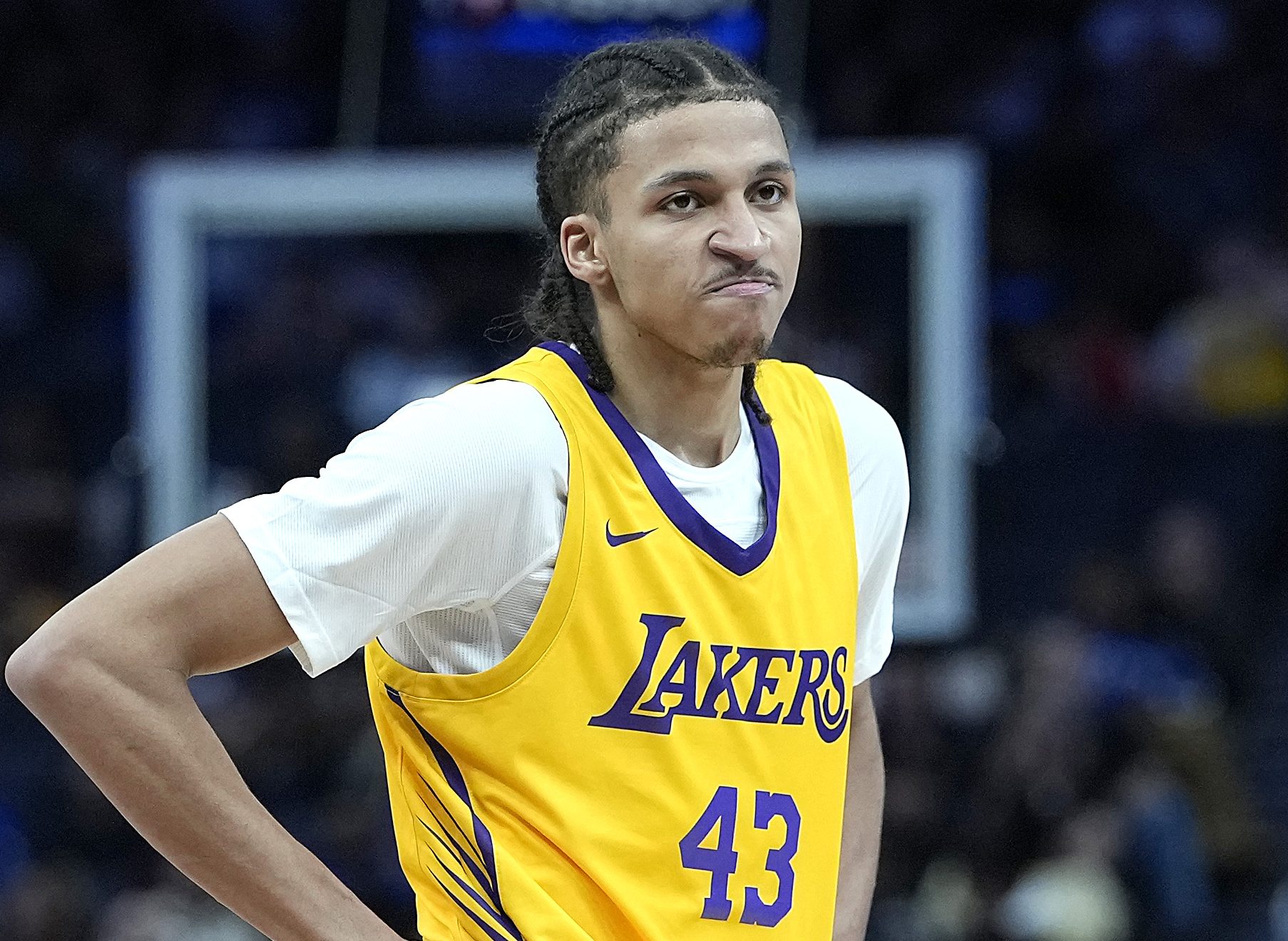
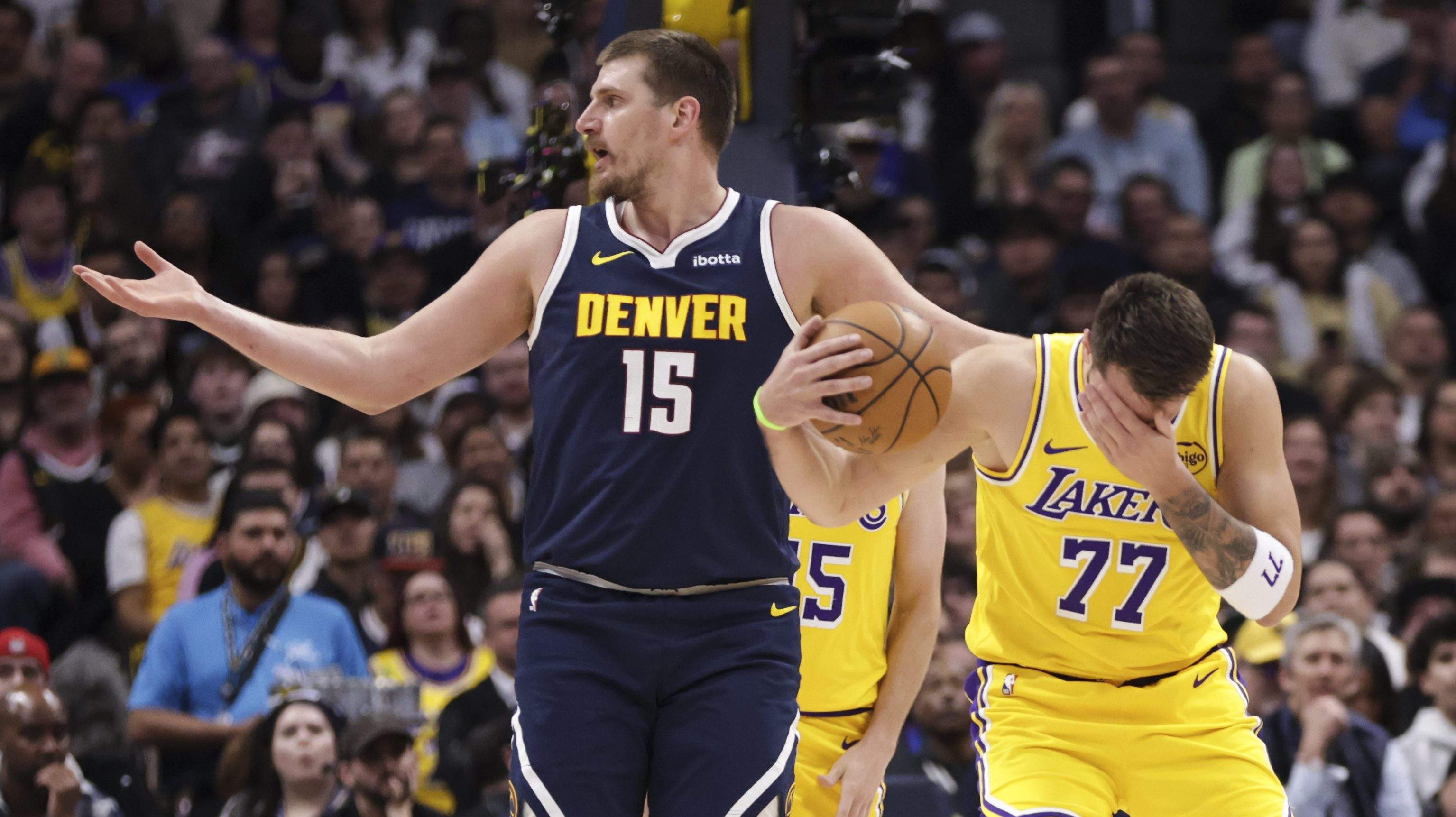
The broader context for the pursuit centers on roster gaps at the forward position. After LeBron James indicated he intends to explore his options for the 2026-27 season and Rui Hachimura departed for a rival team, the Lakers find themselves in need of a versatile wing who can contribute on both ends of the floor. Kuminga, who has shown flashes of high upside as a two-way contributor and primary creator at times, has emerged as a marquee target in this offseason cycle. While Kuminga is reportedly weighing multiple teams, the Hawks have been mentioned as a potential partner in any sign-and-trade scenario, reflecting the broader market dynamics and Kuminga’s potential fit in various systems.
A sign-and-trade framework has been floated by league observers, with discussions suggesting a possible deal that would see Kuminga move to Los Angeles while Atlanta acquires pieces that would help them in the near term. In such a framework, the Hawks could receive Jarred Vanderbilt in exchange for helping to facilitate the transaction, while the Lakers would leverage one of their available draft asset options, including a future first-round pick swap or other draft-day considerations. The specifics of any agreement would depend on the willingness of both sides to align on long-term projection and short-term value, as well as the salary-cap realities facing both teams.
From a financial standpoint, the Lakers face the challenge of reconciling Kuminga’s market value with cap constraints and the team’s existing commitments. Kuminga’s representation is understandably seeking a contract that reflects his potential and performance trajectory, with discussions centering on an annual value that could be in the mid-to-high range for a rising wing. By contrast, the Lakers have signaled a preference for a structure that aligns with their broader strategy, including other recent contracts they’ve handed out to players who are expected to play meaningful minutes next season. This creates a negotiation landscape where the two sides must balance immediate impact with long-term financial flexibility.
Reports have indicated that Los Angeles envisions Kuminga as a focal point of their perimeter rotation, potentially stepping into a starting wing role and serving as a critical piece in building around a veteran superstar. However, the team’s offers to Kuminga must be weighed against other commitments and the organization’s plan for how to allocate minutes and development opportunities across the roster. Kuminga’s decision will hinge on whether the proposed role and compensation align with his expectations and career trajectory.
Key questions for the Lakers as they advance their pursuit include: Can they present a credible plan for Kuminga’s utilization, including role clarity, minutes, and integration with established teammates? Will the financial terms meet Kuminga’s aims without compromising the team’s flexibility for other needs in a multi-year horizon? And how do draft compensation instruments and potential sign-and-trade mechanics influence the overall package?
The market for Kuminga also features other interested parties, adding to the complexity of negotiations. While interest in Kuminga is high, no agreement is imminent, and both sides are expected to continue conversations to determine whether a mutually beneficial pathway exists. For the Lakers, the objective is to craft an offer that recognizes Kuminga’s upside while maintaining enough flexibility to preserve assets for future upgrades, should the roster-building plan require adjustments down the line.
In sum, the Kuminga pursuit represents a high-stakes strategic decision for the Lakers. It involves evaluating a young talent with significant upside, weighing a role that could unlock his development, and balancing a competitive contract with long-term financial health. As the offseason unfolds, Lakers fans will be watching closely to see whether a deal can be reached that satisfies Kuminga’s ambitions and aligns with the franchise’s vision for the next era of competition.
Note: This update reflects ongoing discussions and public reporting about potential trade structures, contract ranges, and market interest.