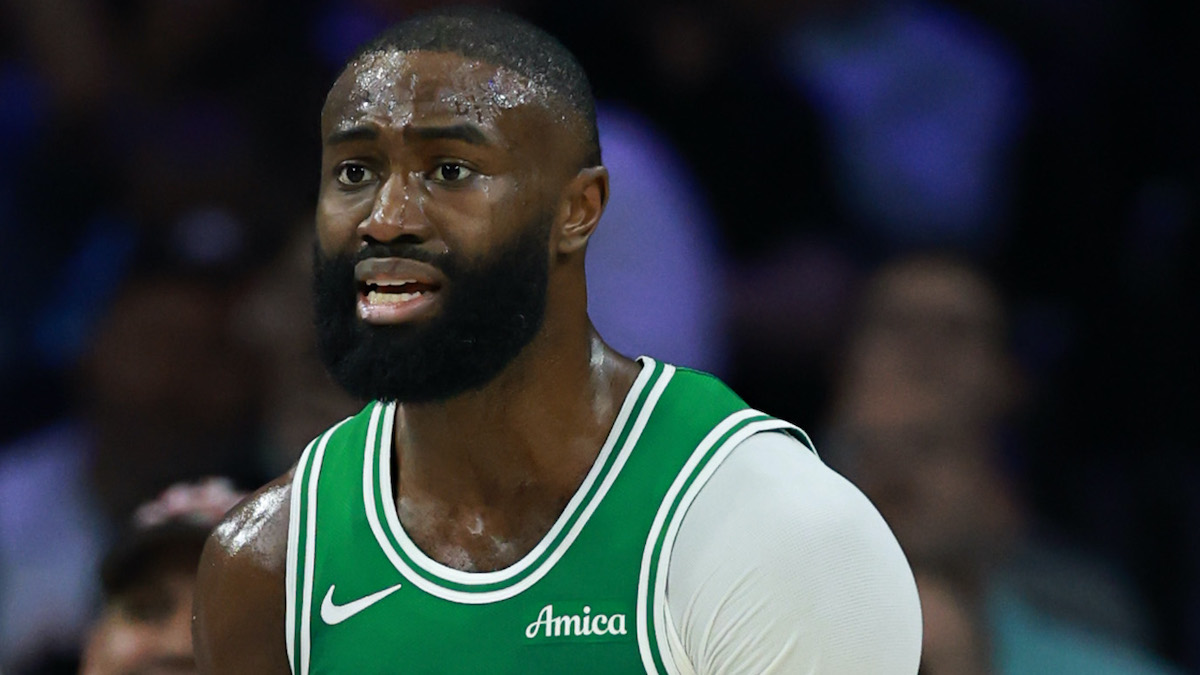
In the 64 games he played this past season, Westbrook posted averages of 15.2 points, 5.4 rebounds, 6.7 assists, and 1.3 steals per game. His shooting splits show a career-long pattern: he connected on 42.7 percent from the field and 33.8 percent from beyond the arc. These numbers reflect a player who remains capable of creating off the dribble, setting up teammates, and playing with a level of intensity that strains defenses. While efficiency has fluctuated at times, the overall production and the ability to influence games through playmaking and transition opportunities keep him as a constant threat on the floor.
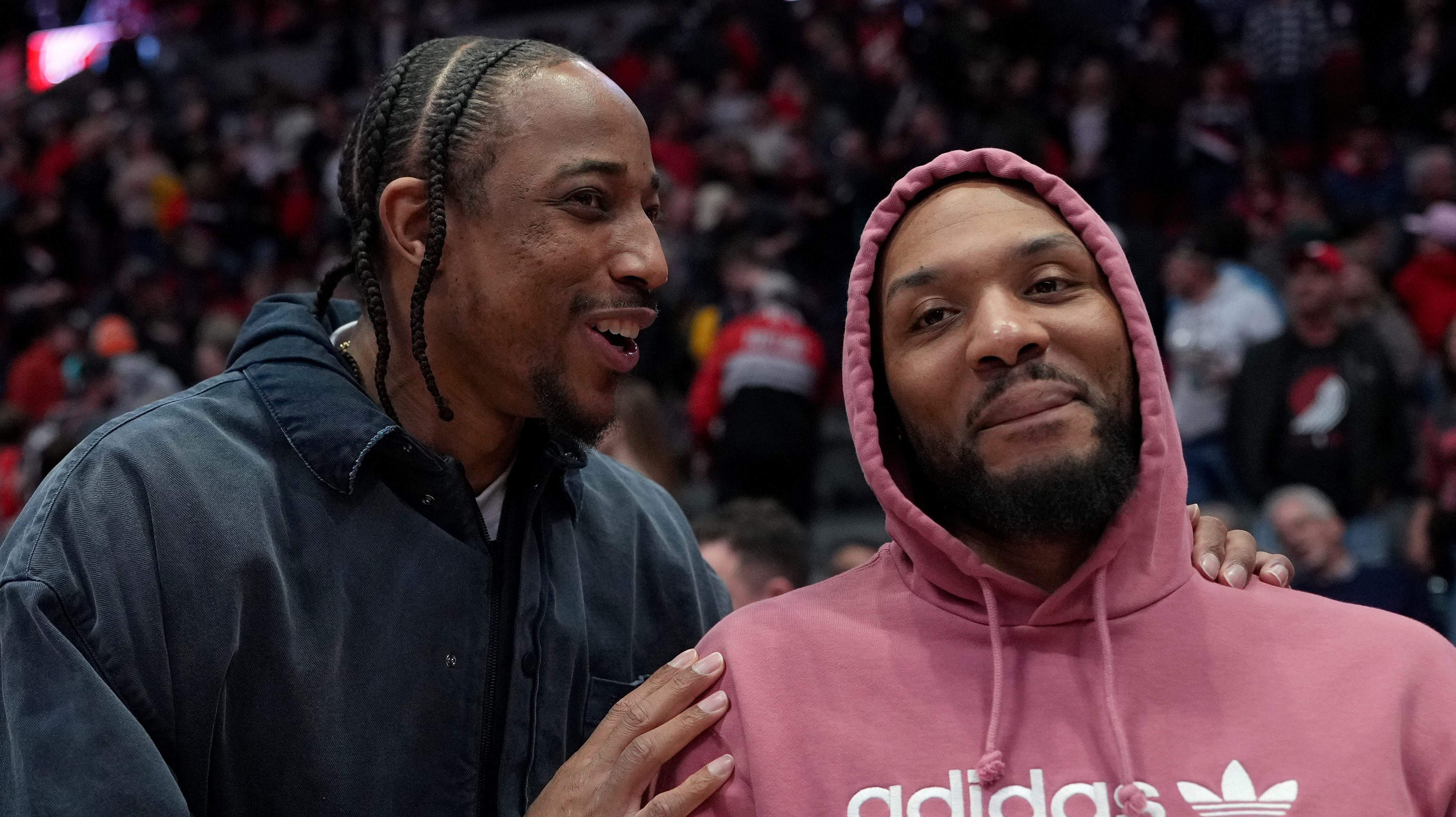
A notable moment this season came with Westbrook posting on social media, a move that drew significant attention and engagement. The post, which highlighted a pregame moment with a fellow veteran, prompted a flurry of reactions from fans and peers alike. Reactions in the comments underscored Westbrook’s star power and the way his presence can spark conversation across the league.
Off the court, Westbrook’s status remains fluid as he currently sits as a free agent, available to sign with any NBA team. His veteran leadership, experience in high-pressure environments, and proven track record as a catalyst for quick-ball movement and aggressive defense make him an attractive option for organizations seeking depth and versatility in the backcourt. For teams evaluating guard options, Westbrook offers a blend of playmaking and energy that can complement a starting unit or provide valuable minutes off the bench, depending on how a roster is structured.
From a strategic standpoint, adding Westbrook can influence a team’s offense in several ways. His ability to push the pace and create opportunities in transition can help accelerate a slower squad or complement a dual-guard lineup that relies on outside shooting. On-ball pressure and the threat of penetrative drives can open up driving lanes for teammates and create easier looks for others. Defensively, Westbrook’s long wingspan and quick hands enable him to generate steals and disrupt ball handlers, adding another dimension to a team’s defensive scheme.
Looking ahead, the market for a veteran guard with Westbrook’s profile is likely to feature multiple contenders considering his fit. Teams seeking a spark plug who can handle primary ball-handling duties in shorter stints, mentor younger players, and bring a championship-winning mindset could find him to be a valuable asset in the right system. His leadership and willingness to take on a facilitating role can help smooth the transition for younger guards while maintaining competitive intensity during meaningful stretches of a game.
For Westbrook, the next chapter will hinge on the fit and role offered by a prospective employer. A mentorship-capable veteran presence paired with situational scoring and playmaking could maximize his effectiveness in a second or third unit, while a system that prioritizes pace and space may allow him to leverage his strengths more consistently. Regardless of where he lands, Westbrook’s impact on the floor—through relentless motor, decision-making in transition, and the ability to influence both ends of the court—remains evident.
Fans and analysts will continue to watch how this veteran guard navigates the marketplace and where his next chapter unfolds. His career is marked by adaptability, a willingness to evolve his game, and a determination to contribute at a high level, even as new talents emerge in a rapidly evolving league. While age and the evolution of the game present new considerations, Westbrook’s track record as a dynamic playmaker and energy driver ensures he remains a focal point whenever he steps onto the court.
In summary, Westbrook’s season with the Kings showcased his enduring value as a dynamic guard who can impact games with scoring, rebounding, and, most importantly, playmaking. As he explores free agency, teams will weigh the benefits of his experience, leadership, and competitive edge against the need for efficiency and a long-term strategic fit. Whatever the outcome, Westbrook’s legacy as one of the most influential point guards in NBA history remains secure, built on a career defined by intensity, versatility, and a relentless pursuit of excellence.