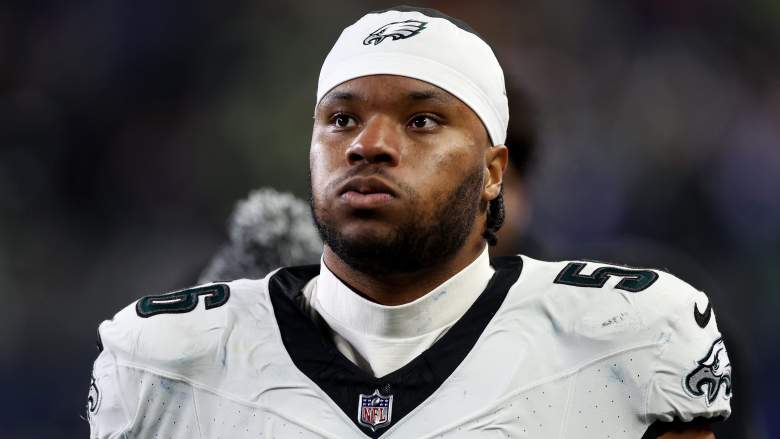
Trey Amos, a second-year cornerback, has been highlighted by analysts as a promising building block for Washington’s secondary. After a rookie season that included flashes of ability but also a setback, Amos faces a path to cementing himself as a cornerstone of the defense. In his debut season, he started a portion of the games and examined a challenging matchup landscape, finishing with a multifaceted performance that showed both opportunities and room for growth. An injury during his rookie campaign—a fractured fibula—briefly sidelined him, but the organization brought in several defensive reinforcements in the offseason to help elevate the unit as a whole. With a revamped defensive staff and a renewed emphasis on secondary play, Amos could be positioned to take on a larger, more consistent role in 2026.
Industry observers have noted several factors that could support Amos’s elevation. Pro Football Focus, in their assessment of young players poised for breakout seasons, singled out players who handled a significant share of defensive duties in their first year and then looked for continued development at the next level. For Amos, that developmental arc includes refining his technique, improving ball skills, and leveraging his experience against a varied college background. He brings size and athleticism to the table, standing around 6 feet 1 inch and weighing roughly 195 pounds, with the speed profile NFL teams value—evidenced by a fast 40-yard dash time at the scouting combine. Additionally, his college journey—playing for multiple programs and gaining game experience across 61 college appearances—has provided him with diverse exposure to different systems and coaching styles, an asset as defenses evolve.
The Commanders’ 2025 draft class added depth and competition to the defensive backfield, and the coaching staff’s offseason overhaul aimed to strengthen all three levels of the defense. With a defensive coordinator emphasizing secondary development, Amos’s trajectory could align with a broader organizational goal: to produce a consistent, high-impact playmaker on the perimeter. The combination of his physical traits, on-field experience, and the opportunity created by new teammates and schemes sets the stage for a potential leap in 2026.
Amos’s path to sustained relevance will require steady improvement in several key areas. First, maintaining tight coverage discipline and reducing target completion rates will be essential. Second, refining lockdown ability—tracking receivers, recognizing route combinations quickly, and translating that into game-changing plays—will help raise his overall impact. Third, health and durability will remain critical, as a solid offseason recovery can translate into a strong training camp and preseason performance, positioning him for immediate duties when the regular season opens.
As the Commanders build a more formidable defense, the secondary’s development will be a focal point. A stronger pass defense can relieve pressure on the front seven and create more opportunities for turnovers and disruptive plays. If Amos continues to progress and pairs well with newly added talent and a retooled defensive scheme, he could emerge as the standout corner the team has lacked for decades. While it remains to be seen how quickly he cemented himself as a full-time starter, the groundwork is in place for a potential breakout season.
In summary, the cornerstone question for Washington’s defense in 2026 centers on whether a young cornerback can develop into a true shutdown presence. Trey Amos stands out as a candidate with the requisite tools and the right environment to potentially fulfill that role. With continued growth, improved performance metrics, and a supportive defense, he could become the player the franchise has been seeking on the perimeter for many years.