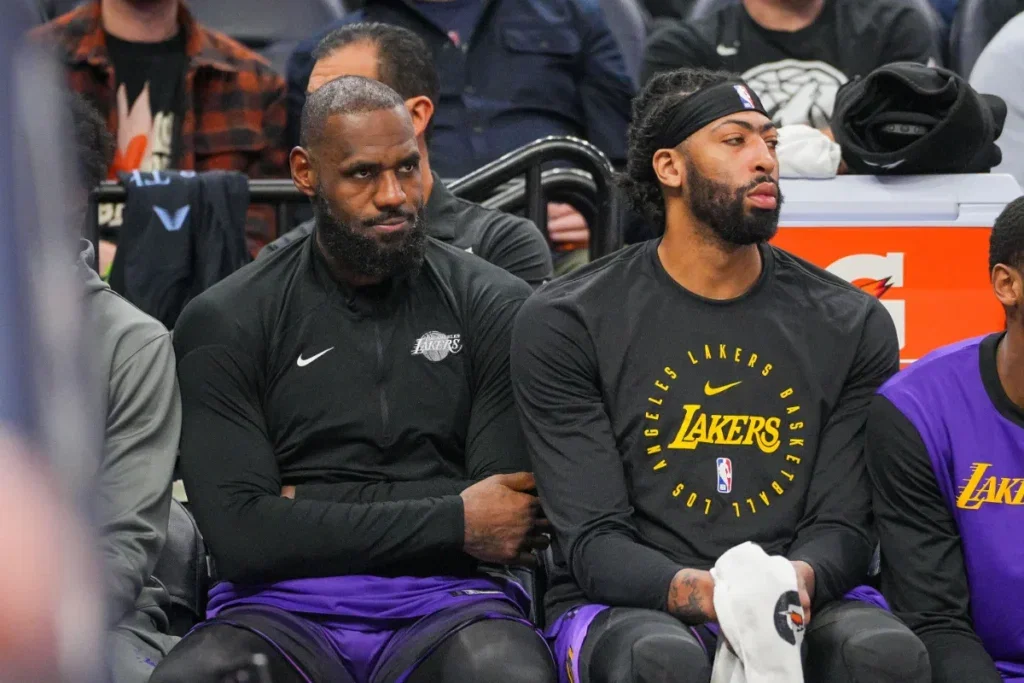
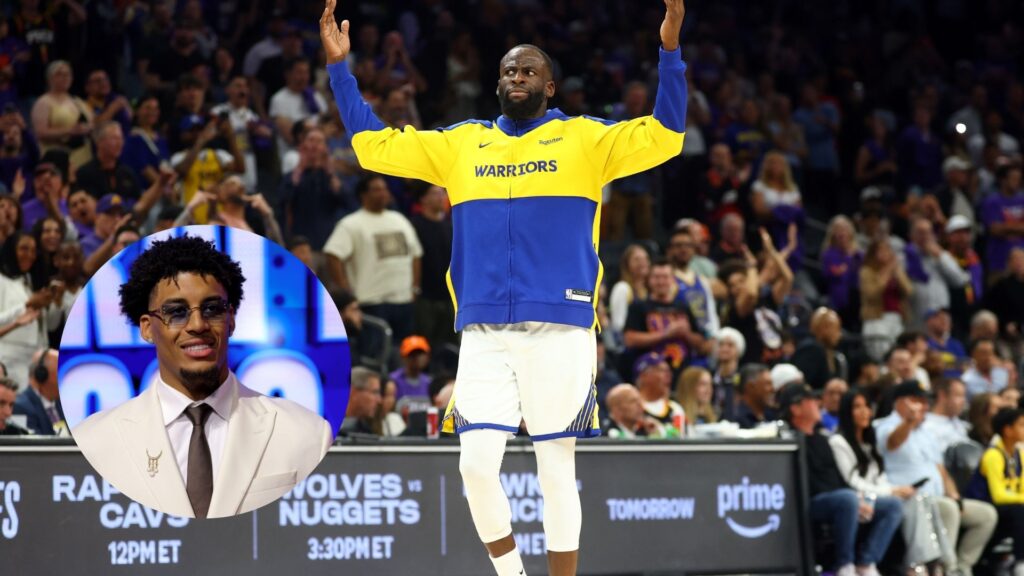
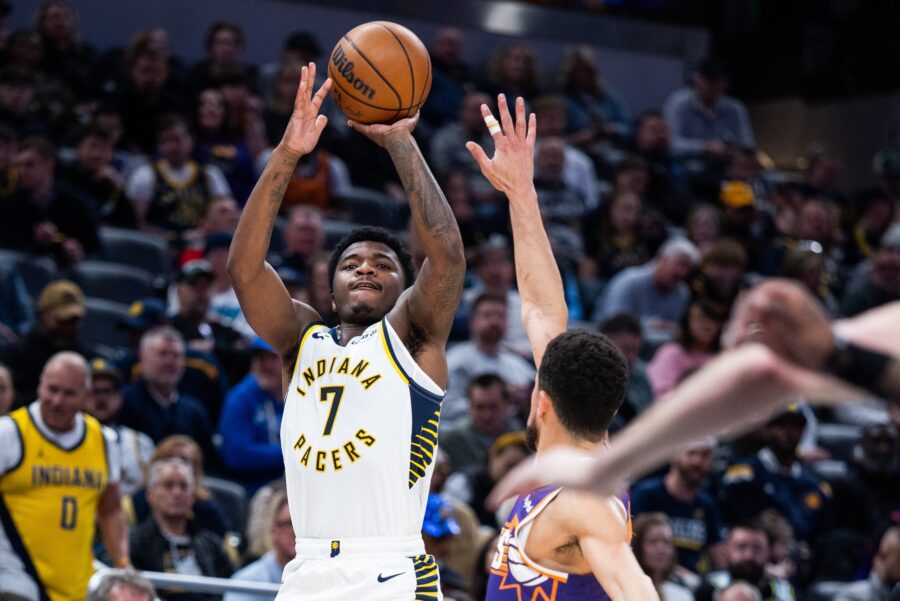
Drafted No. 4 by Cleveland in 2011, Thompson was a central offensive option for the team before LeBron James returned in 2014. When James came back, Thompson faced a choice: continue starring or prioritize the team’s success.
Before James’s return, Thompson described himself as a primary option, posting averages around 12 points and 10 rebounds, with significant ISO opportunities on the block. But with James back in the fold, the dynamic changed. James emphasized a different approach: pick-and-rolls, post play, and defensive responsibility—creating scoring opportunities around the rim for Thompson while ensuring the team’s overall defense and execution were intact.
On paper, the plan seems straightforward: a winning mindset from a proven champion. James had already proven his ability to lead teams to titles with two championships in Miami, and his return to Cleveland was driven by a pursuit of another trophy. For Thompson, shifting from a solo spotlight to a team-first approach was not easy, especially for a young player eager to add an All-Star distinction to his résumé.
In those early days after James’s return, Thompson admits his focus was more personal than collective. Like many rising stars, the ambition to be an All-Star and have standout nights lingered. He recalled nights facing top forwards and thinking about individual accolades.
Then Rich Paul reached out with a blunt but important message: there are two possible outcomes—buy into the plan to win a championship, or risk being moved to another franchise with an uncertain future. The warning and the opportunity both carried weight, underscoring the stakes of choosing the path that aligned with winning.
Thompson chose to trust the process and commit to the team’s vision. He decided to sacrifice his personal narrative to support the Cavaliers’ championship pursuit, embracing the role and contributing wherever needed. That decision helped shape a memorable championship run, during which Thompson averaged about 10.3 points and 10.1 rebounds per game in the Finals era of the title run. The Cavaliers’ 2016 championship was historic, as they rallied from a 3-1 Finals deficit to claim the crown—the first team in NBA history to do so.
Thompson’s contribution, alongside teammates such as Kyrie Irving, JR Smith, and Kevin Love, was integral to that success. LeBron James’s influence—returning to the team that drafted him in 2003 and steering the Cavaliers toward a championship—was a central catalyst. The mindset shift, both on the court and in the locker room, underscored the importance of buying into a shared objective over individual glory.
As the narrative continues, discussions about LeBron’s future movements persist. At the time of this account, LeBron James remained a high-profile free agent, with speculation about his next destination. Given his Ohio roots and history with the Cavaliers, Cleveland is often cited as a compelling possibility for a homecoming, particularly as the team continues to honor its legacy and explore a competitive path forward.
Opinions from former players and analysts varied, but the consensus reflected the enduring appeal of a reunion: a chance to close a career arc where it began, with a familiar organization and a chance to add another chapter to an illustrious tenure. While no decision had been announced, the Cleveland Cavaliers remained a focal point in discussions about James’s potential next move, with fans and commentators watching closely as the offseason unfolded.
In summary, Thompson’s experience illustrates how adaptability and a willingness to subordinate personal milestones to a collective goal can steer a franchise toward the pinnacle of success. The Cavaliers’ 2016 championship stands as a landmark achievement, underscoring the impact of leadership, teamwork, and a shared commitment to winning. The possibility of future reunions or new chapters for LeBron James continues to captivate basketball fans as speculation and expectations shape the ongoing narrative of one of the sport’s most storied careers.