On a public forum, Pierce offered a blunt assessment of Brown’s perceived lack of recognition from the organization, while also stressing the value of staying hungry. “You didn’t make the Olympic team. It’s like you’re not in the top five in the NBA, you know what I’m saying? So this is what keeps you hungry, Jaylen,” Pierce said on a recent podcast appearance. He added that Brown had to understand the career dynamics at play: external respect isn’t the same as sustaining elite production over time, and that pressure can drive continued improvement.
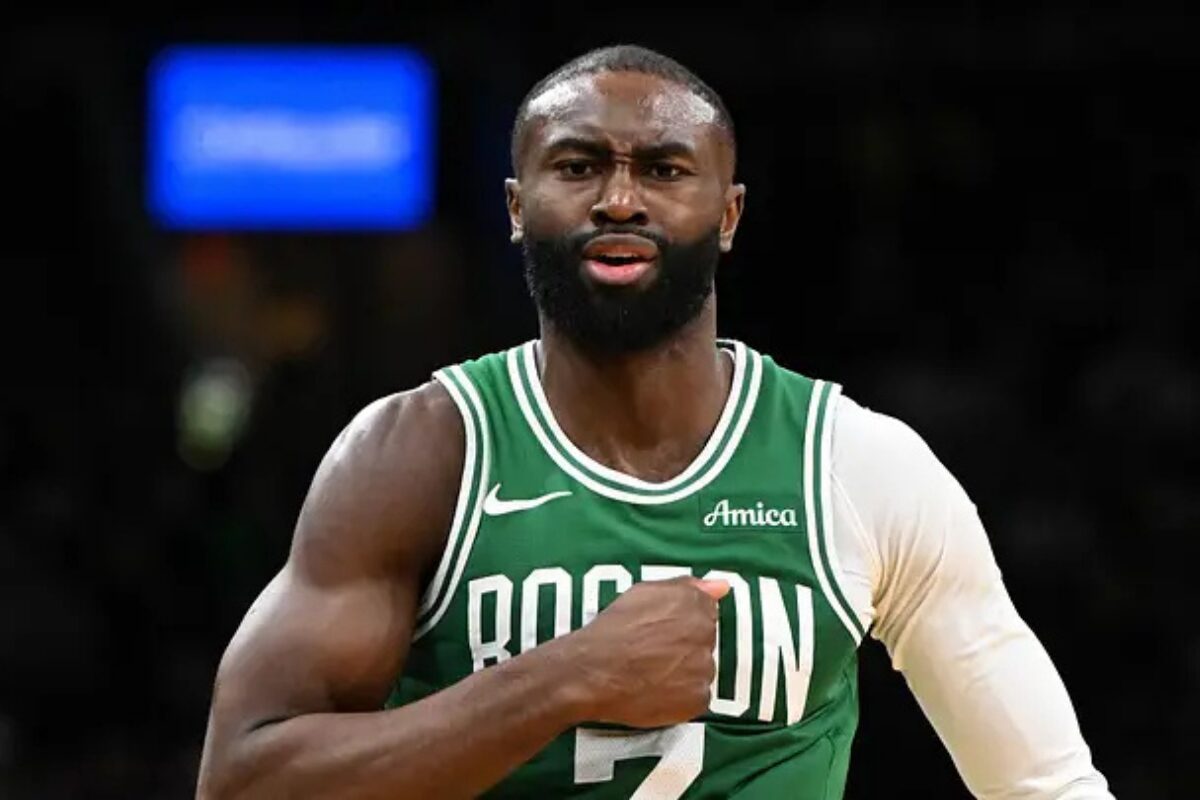
Brown himself acknowledged feeling underappreciated at times, noting the mental edge that such situations can provide. He emphasized that adversity can fuel future success and resilience, a mindset that could serve him well in the next chapter of his career, whether in Boston or elsewhere.
For the Celtics, the trade dynamic intensified after a disappointing playoff exit. A first-round exit to the Philadelphia 76ers in 2026 rekindled debate about Brown’s fit alongside star teammates and how best to structure a competitive roster. Brown had previously spoken out about opposing players’ behaviors, such as flopping, which added to the complexity of his public image and the strategic calculus around his role.
Any discussion about potential trades has inevitably touched on which players might be viewed as suitable fits to complement Boston’s core. While veteran names occasionally surface as possible additions, the Celtics’ front office has to balance short-term competitiveness with long-term roster construction and luxury-tax considerations. Proposals involving established veterans and multiple draft picks often raise questions about whether the return would be commensurate with Brown’s impact and value, especially given contracts signed by other high-profile players in the league in recent years.
What explains the Celtics’ decision-making? Industry voices have pointed to the structural realities of building a championship-caliber team. The front office has to assess how a high-paid star affects roster depth, positional balance, and financial flexibility for future moves. If a proposed extension could exceed a substantial annual figure in the late 2020s, it could constrain the team’s ability to pair that player with complementary pieces who can maximize winning chances without incurring prohibitive salary commitments.
Ultimately, Brown’s path forward remains open. His on-court performance, leadership qualities, and willingness to embrace a broader role could make him a valuable asset to any team. For Boston, the challenge lies in managing the delicate balance between maximizing championship contention now and preserving enough cap space and flexibility to remain competitive in the long run. For Brown, the focus will be on translating adversity into continued excellence and seizing opportunities that align with his goals and aspirations as he navigates the next phase of his basketball career.