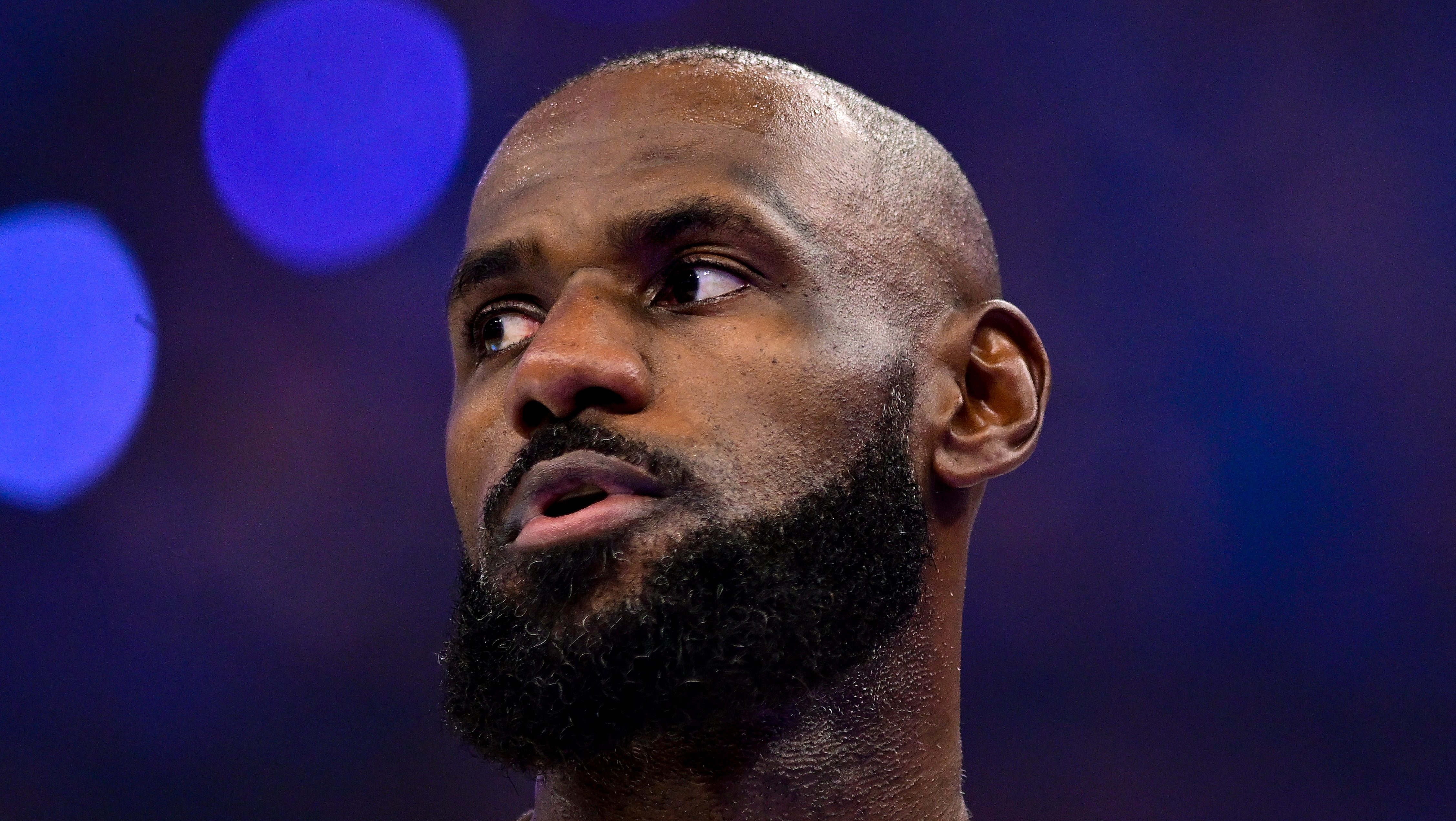
Insider reporting has consistently highlighted the Timberwolves as an aggressive and persistent bidder for James, even as questions remain about his age and fit. After James informed the Los Angeles Lakers that he would explore opportunities elsewhere, Minnesota quickly emerged as a team interested in leveraging its cap space and roster flexibility to position itself for a potential veteran arrival. Multiple sources indicated that Minnesota’s front office contacted James’ representatives in the ensuing days, reiterating their interest and outlining how he could impact the team’s long-term plans.
This tempo reflects a broader strategy by the Timberwolves: pursue high-impact talent to complement a rising core. Anthony Edwards has emerged as the franchise’s centerpiece, and the organization has signaled a willingness to pursue help that could accelerate the team’s competitive window. James, entering his 42nd year, remains a transformative talent with a proven track record of elevating teams’ ceilings. If he were to join Minnesota, the frontcourt would likely need adjustment to balance the roster and maximize spacing and playmaking around Edwards.
From a financial standpoint, the Timberwolves face the challenge of paying premium talent while navigating salary-cap constraints. Reports indicate that, at present, James would be available to Minnesota only at the veteran minimum, a figure that hovers just under $4 million in salary. This constraint underscores the reality that any serious bid would require creative moves or future flexibility, whether through trades, restructurings, or other transactions designed to open up additional resources. Yet, even with a tighter budget, James’ pursuit is driven by the potential payoff: a championship-caliber addition that could transform the team’s trajectory.
The ongoing conversation comes amid a shifting market. While Minnesota remains in the hunt, other contenders continue to be viewed as serious competitors for James. Teams such as the Golden State Warriors, Miami Heat, Cleveland Cavaliers, and Philadelphia 76ers have been cited in various reports as part of the front-runners, each offering distinct paths to contention. The Knicks, meanwhile, appear to be stepping back from the spark they once generated in discussions around James. After a period of speculation, insiders have suggested that New York is content with its current championship-caliber roster and may not view James as the missing piece needed to push the franchise over the top this season.
This development carries significant implications for Minnesota. If the Knicks are no longer a major obstacle, the Timberwolves could find themselves with one less high-profile rival in the race to land a player of James’s stature. Still, Minnesota must navigate the realities of aging superstars, contract negotiations, and the long-term health and durability of a player who has maintained elite performance across an extended career. The team’s front office has shown a willingness to explore every avenue, including outreach to James’s representation and ongoing dialogue aimed at gauging his interest and fit with the roster’s evolving dynamics.
Beyond the immediate free-agent chatter, Minnesota’s on-court needs remain clear. The club moved on from Julius Randle and Naz Reid in recent seasons and is actively seeking reinforcements in the frontcourt. James’ versatility—able to operate as a scorer and a facilitator—could address multiple gaps, offering another elite playmaker alongside Anthony Edwards and providing a veteran presence that could accelerate younger players’ development. The question, of course, is whether the fit and the cost align with the franchise’s long-term plan and cap strategy.
In evaluating the potential impact, it’s essential to consider both the basketball and strategic dimensions. On the court, James’ arrival would bring a veteran leader with championship experience, a high basketball IQ, and the ability to elevate teammates. Off the court, the decision would carry branding, market interest, and fan engagement implications that teams weigh when pursuing a marquee free agent. For Minnesota, the prospect of pairing James with a rapidly ascending core could help to accelerate contention while presenting a compelling case to other top-tier players who might value his presence as a differentiator.
As the off-season progresses, the Timberwolves will likely continue to engage James and his representation, evaluating all options to determine the best path forward. The organization’s willingness to pursue aggressive options reflects a broader commitment to constructing a championship window around a young and talented foundational core. Whether this approach yields a breakthrough signing or serves as a strategic pressure point in the broader free-agent market remains to be seen. What is clear is that Minnesota is committed to exploring every avenue to maximize its competitive potential in the near term.
For fans and analysts, this development underscores the dynamic nature of NBA free agency, where doorways open and close quickly based on both strategic needs and the evolving preferences of veteran stars. The Timberwolves’ pursuit illustrates how a team can position itself to capitalize on opportunities that may arise late in the off-season, while also contending with other franchises that remain in the mix for one of the sport’s biggest names. As negotiations continue, expectations will hinge on a combination of financial feasibility, basketball fit, and the players’ own priorities—factors that ultimately determine where LeBron James will spend his next season and how Minnesota’s roster will be reshaped in the pursuit of a potential championship run.