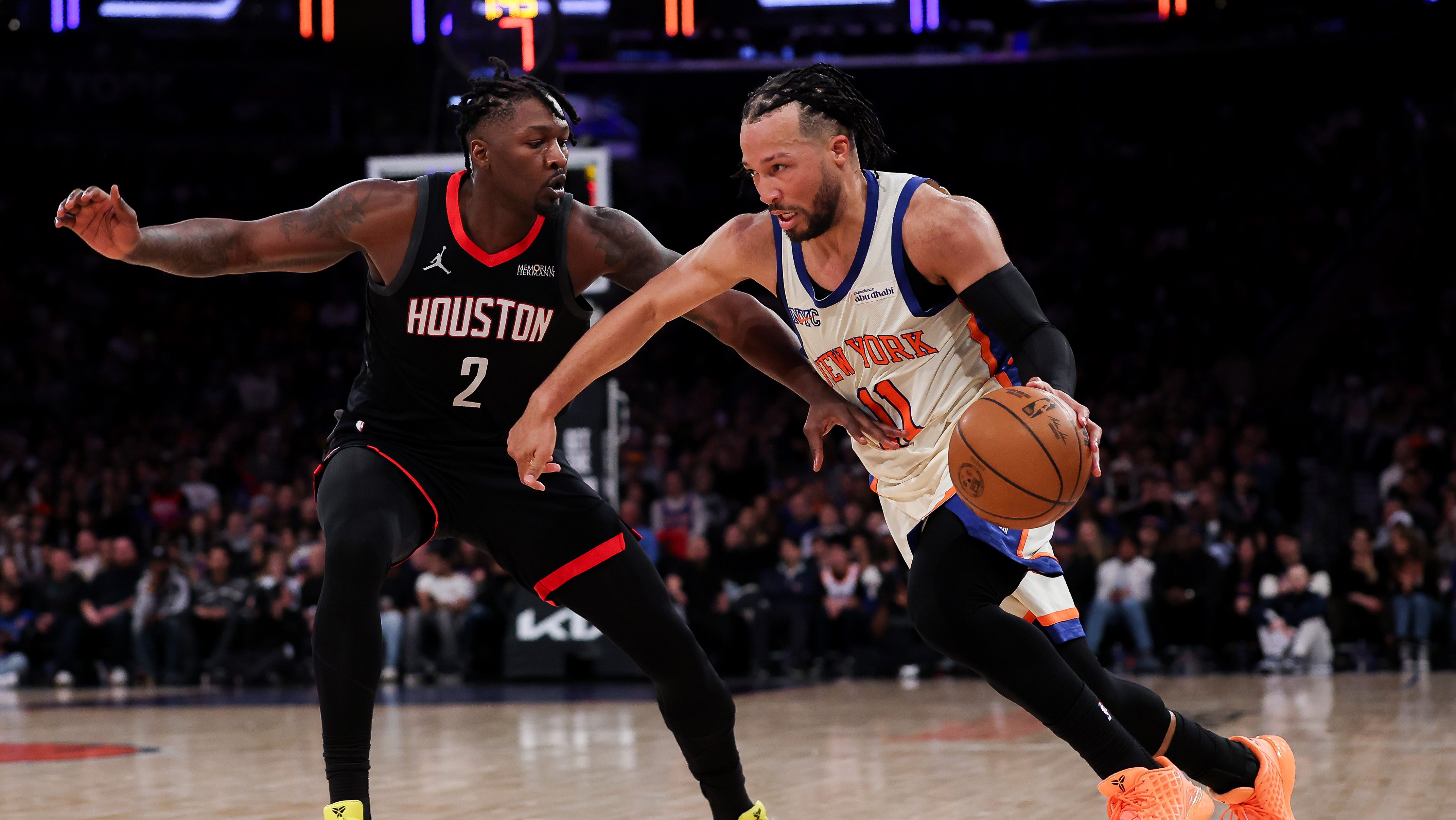
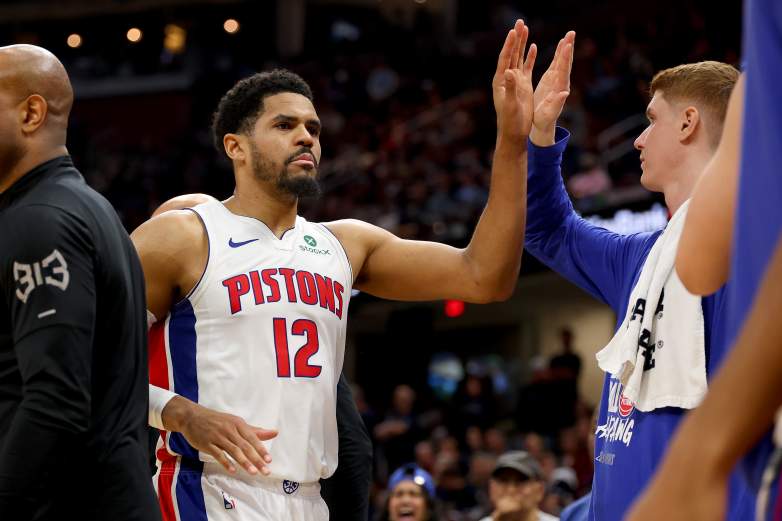
In his remarks, Smith argued that this approach falls short in modern basketball, emphasizing that championship teams are built through talent and matchups rather than nationality or ethnicity. He singled out Luka Dončić, Austin Reaves, and Walker Kessler, noting that while Reaves and Dončić have proven themselves, relying on three white players to lead a title run would not be enough in the current era. Smith also acknowledged LeBron James as a veteran presence on the team, but stood by his core assertion that three white starters do not typically deliver a championship in today’s game.
The public response to Smith’s comments was swift. Emmanuel Acho, a former NFL player and media figure, publicly pushed back, labeling Smith’s stance as racist. Acho argued that if a white analyst had questioned a Black-dominant roster in the same way, the reaction would be different, calling the remarks hypocritical and insisting that discussions should center on basketball performance rather than race.
Smith later doubled down, stating that his critique was strictly about basketball performance and not about race. He reiterated the question: when has a team with three white players among its top stars won a championship? He stressed that his comments were intended to address on-court effectiveness rather than race, and he rejected accusations of racism, saying the discussion should remain focused on basketball.
The exchange drew broader attention, as analysts and fans debated whether debates about race and sport can or should intersect with discussions about team composition and competitive success. Supporters of Smith argued that the emphasis should be on skill, pace, defense, and bench depth, while critics contended that tying performance to race in such a way perpetuates harmful stereotypes and distracts from evaluating players on merit.
In response to the broader dialogue, several voices urged a more basketball-centric approach to analysis. They suggested evaluating the Lakers’ roster through metrics like offensive efficiency, defensive rating, spacing, playmaking, and consistency under pressure, rather than inferring potential outcomes from the players’ racial identities. The conversation highlighted the ongoing tension in sports media between opinionated commentary and careful, data-driven analysis.
For readers looking to understand the debate, it helps to consider how teams build around star players—balancing size, shooting, and playmaking, while ensuring depth and versatility across the lineup. The Lakers’ strategy, like many franchises, involves blending veteran leadership with young talent, and examining whether three top players can cohesively drive a championship run requires evaluating alignment, coaching schemes, injury status, and role clarity.
As the discourse continues, the core takeaway remains: championship-caliber teams are built through a combination of talent, strategy, chemistry, and adjustments, rather than any single attribute. While opinions on roster construction may vary, the ultimate measure is on-court success and the ability to win when it matters most.
Note: This summary presents the central themes and public reactions surrounding the discussion about the Lakers’ roster composition and does not reference any original publication or source.