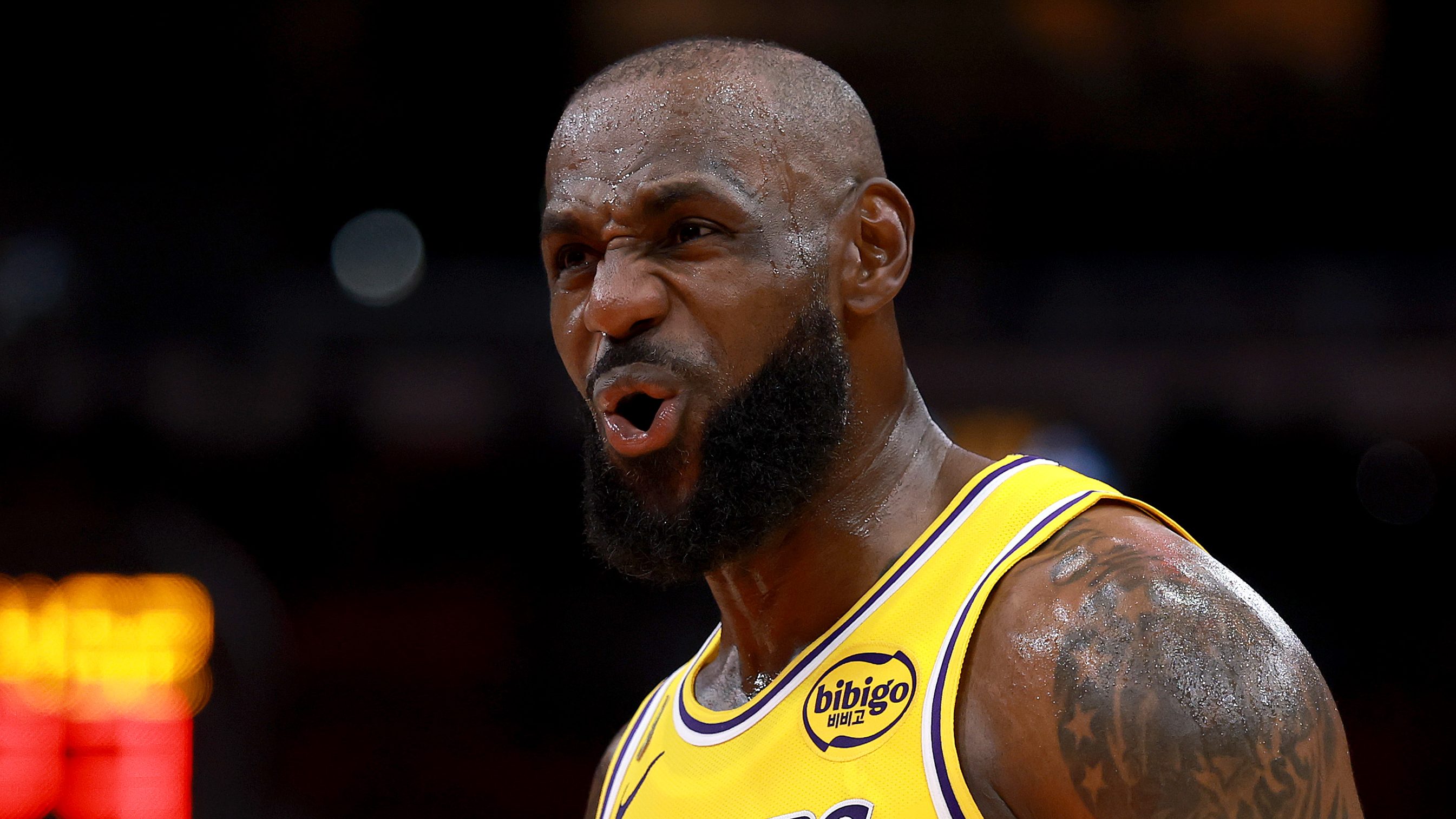
One key factor shaping this discussion is the financial reality of adding a veteran superstar to a championship-contending roster. Cleveland would face a challenging cap scenario in trying to accommodate James, likely needing to offer him the veteran minimum or pursue a series of roster moves to create room. James has indicated that his priority is happiness and a favorable environment, which could influence his willingness to accept a unique financial structure or take on a slightly different role than before.
Inside conversations around this topic have highlighted both the positives and the potential drawbacks of a Cavaliers reunion. On the positive side, James would be reconnecting with a familiar organization that he helped shape during his earlier years there. The front office can be a strong selling point if it demonstrates stability and a clear plan for competing at a high level. Relationships matter at this stage of a career, and having trusted colleagues in the organization can be a significant advantage. Possessing a staff that understands James’s expectations and can align on a shared vision for the team’s trajectory would be a major asset.
Another favorable factor is the prospect of integrating James with a young core that has shown potential. If the Cavaliers can balance experience with development, James could provide leadership and on-court intelligence that complements the growth of younger players. The chemistry between a veteran star and up-and-coming talents has historically produced compelling results, particularly when the roster is built around complementary pieces rather than a single focal point.
However, there are substantive considerations to weigh. The most obvious challenge is the financial ceiling. Adding a player of James’s caliber can strain the team’s budget, potentially limiting the ability to grow the rest of the roster through extensions, free-agent signings, or depth additions. A realistic plan would require careful orchestration of cap space, possible roster swaps, and a willingness from all parties to navigate a non-traditional contract structure if necessary.
Another potential concern is the fit with Cleveland’s current core. While James has a deep appreciation for the franchise, there are questions about how his game would mesh alongside present players who are developing into essential contributors. The dynamic of a mature, ball-dominant scorer entering a group that is still optimizing its offensive and defensive schemes must be carefully evaluated. The coaching staff would need to craft an approach that maximizes everyone’s strengths and minimizes potential friction on and off the court.
From a strategic standpoint, this remains a fluid situation. James’s decision-making timeline appears to be non-urgent, with the choice resting on personal considerations and the conditions that his next team can provide. The Cavaliers, meanwhile, must balance patience with proactive planning. If the team can preserve cap flexibility and maintain a competitive roster while pursuing strategic additions, a reunion could be a feasible path.
In terms of on-court performance, James remains a high-impact player. In recent seasons, he has posted substantial counting numbers, contributing in scoring, rebounding, and playmaking while maintaining efficient shooting for his position. Even as his athletic dominance has evolved with age, his basketball IQ, leadership, and late-game decision-making continue to distinguish him. For teams considering a move, these attributes translate into tangible value beyond raw stats, particularly in guiding younger players and setting a professional standard.
As the discussion unfolds, fans and analysts will monitor how the Cavaliers approach this potential situation. The club would likely have to weigh the long-term implications of such a signing, including how it affects development timelines, team culture, and the overall competitive window. Any decision would need to reflect a balanced assessment of how James’s presence would influence the franchise’s immediate performance and future prospects.
In sum, a LeBron James return to Cleveland would be a high-profile, complex decision that hinges on financial flexibility, roster chemistry, and a shared vision for sustained success. The Cavaliers’ front office will need to demonstrate a clear plan that aligns with James’s priorities and maximizes the opportunities for continued competitive excellence. While the path is fraught with hurdles, the possibility of adding a player with James’s experience and leadership remains a compelling narrative for a franchise seeking to redefine its competitive arc in the coming seasons.