Paul George Trade History: A Recap of High-Impact Returns
George’s career has featured three major trades, each altering the direction of the teams that sent him away. These deals have yielded major assets, including future All-Stars, MVP contenders, and a wealth of draft capital. Here is a consolidated look at how George’s movements have produced some of the most consequential rosters and futures in modern basketball.
2017: Indiana Pacers Trade Paul George to Oklahoma City Thunder
Pacers Received: Victor Oladipo, Domantas Sabonis
Thunder Received: Paul George
This deal came after George informed Indiana that he planned to test free agency the following summer. Rather than risk losing him for nothing, the Pacers executed a deal with Oklahoma City. Oladipo and Sabonis provided Indiana with a dynamic young core, and Sabonis would later become a key component in a separate blockbuster that shaped the franchise’s future.
During his Indiana years, George posted averages around 18 points, 6 rebounds, 3 assists, and 1.7 steals per game, establishing himself as a perennial playoff threat and a cornerstone of the Pacers’ competitive window.
2019: Oklahoma City Thunder Acquire a Monumental Trade Package for Paul George
Clippers Received: Paul George
Thunder Received: Shai Gilgeous-Alexander, Danilo Gallinari, plus a treasure trove of draft picks (mocked as: 2021 No. 18, 2022 No. 12, 2023 No. 10, 2024 No. 12, 2025 No. 15, 2026 No. 12 in various forms), including additional first-round pick swaps and a Miami-protected 2023 pick.
The Thunder’s strategic vision for the future was clear: assemble a young core around Shai Gilgeous-Alexander and convert the George trade into a long-term rebuilding platform. George performed admirably in OKC, averaging about 25 points, 6.9 rebounds, 3.7 assists, and 2.1 steals per game across two seasons, guiding the team to the postseason in both campaigns.
The broader impact of this trade extended beyond the court. The package helped Oklahoma City accumulate a wealth of draft capital that would later fuel other major moves. One of the picks contributed to drafting Jalen Williams, a player integral to the Thunder’s ascent. The trade is often cited as a defining moment in OKC’s rebuild, underscoring how a single transaction can catalyze a franchise’s long-term competitiveness.
Clippers’ Perspective: A Revelation Through Trade
From the moment George joined the Clippers, the organization aimed for championship contention alongside Kawhi Leonard. The pairing created high expectations, and the team’s trajectory shifted significantly after the star-studded deal. George’s tenure in Los Angeles was marked by elite scoring and versatile playmaking, but recurring injuries and roster challenges prevented a sustained championship push. Over five seasons with the Clippers, George averaged approximately 23 points, 6 rebounds, 4.5 assists, and 1.5 steals per game, with their deepest playoff run culminating in a Western Conference Finals appearance in 2021.
2026: A New Chapter with the Philadelphia 76ers and the Boston Celtics
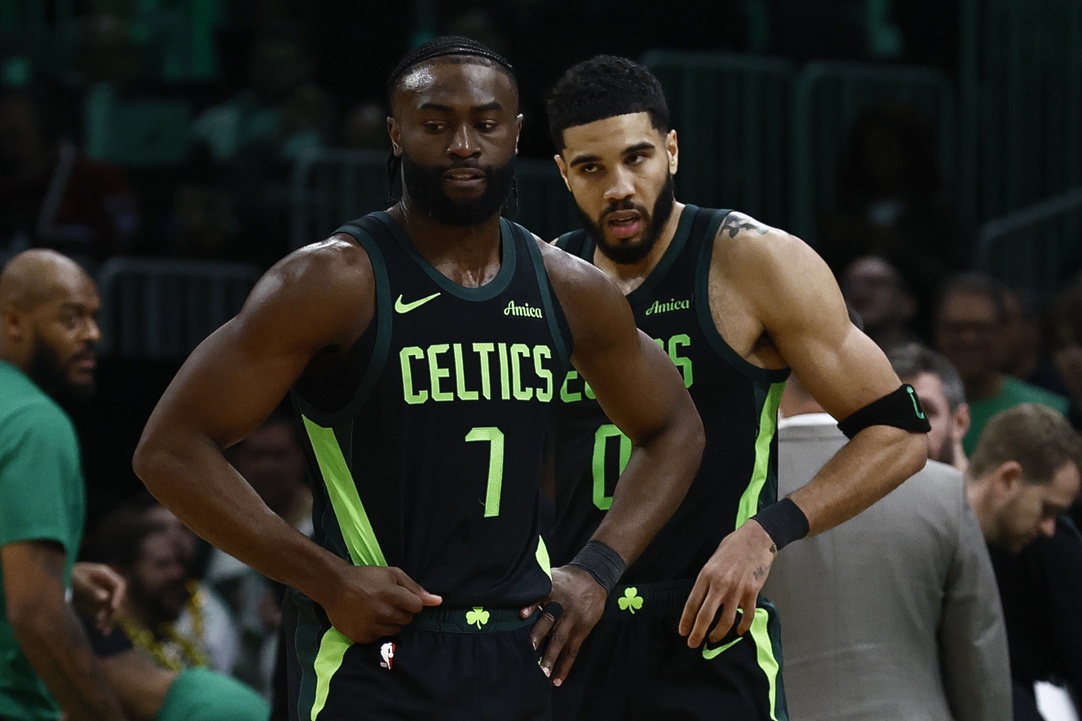
In 2024, Paul George joined the Philadelphia 76ers as a free agent, adding veteran leadership and scoring prowess to a rising contender. Over two seasons with Philadelphia, he averaged around 16.7 points, 5.2 rebounds, 4.0 assists, and 1.7 steals per game. The subsequent move, a trade to the Boston Celtics, sent waves through the league as Boston surrendered Jaylen Brown in exchange for George. The trade included multiple future draft picks and protections designed to position both teams for ongoing success.
Philadelphia’s’ move to acquire George provided them with a versatile veteran presence who could help maintain competitiveness while their younger core continued to mature. Boston, meanwhile, reinforced its wing and playmaking options, though the long-term effect would depend on how George integrates with a roster led by Jayson Tatum and a collection of emerging talents.
Evaluating the Trade Outcomes
– Shai Gilgeous-Alexander and Danilo Gallinari’s arrival in Oklahoma City helped establish a foundation that, paired with calculated draft acquisitions, positioned the Thunder for sustained competitive relevance. Gilgeous-Alexander’s rise into an MVP-caliber player and franchise cornerstone is often viewed as a direct beneficiary of the Thunder’s aggressive asset collection in the George trade.
– The Pacers’ acquisition of Oladipo and Sabonis catalyzed their own path to success, including later trades and rebuilds that kept them in the mix during competitive seasons. The strategic decision to maximize return helped keep Indiana relevant in the evolving NBA landscape.
– The trade from Philadelphia to Boston moved a veteran scorer into a system with a young, high-ceiling wing lineup. The ultimate success of this move hinges on how the Celtics leverage the acquired picks and how George’s health and fit alongside star talents influence championship pursuits.
The Bigger Picture: Value, Health, and the NBA Trade Window
Across these deals, Paul George has emerged as one of the most impactful players in the modern era, not only for his on-court production but for the substantial value he has commanded in return. His career illustrates how a franchise’s decision to leverage a star’s value—especially when free agency looms—can redefine a team’s competitive horizon for years to come.
Looking ahead, the question remains: can Paul George sustain health and continue contributing at a high level for contending teams? If he can stay healthy and mesh with star teammates, there is potential for further meaningful impact on the league’s landscape, whether in Boston or beyond.
Bottom line: George’s legacy as a trade catalyst is anchored in the unprecedented packages teams have sent to acquire him and the long-term assets those trades unlocked. His career arc demonstrates how a star’s market value can shape a franchise’s direction for a decade, turning potential into a string of pivotal moments that alter the NBA’s power structure.