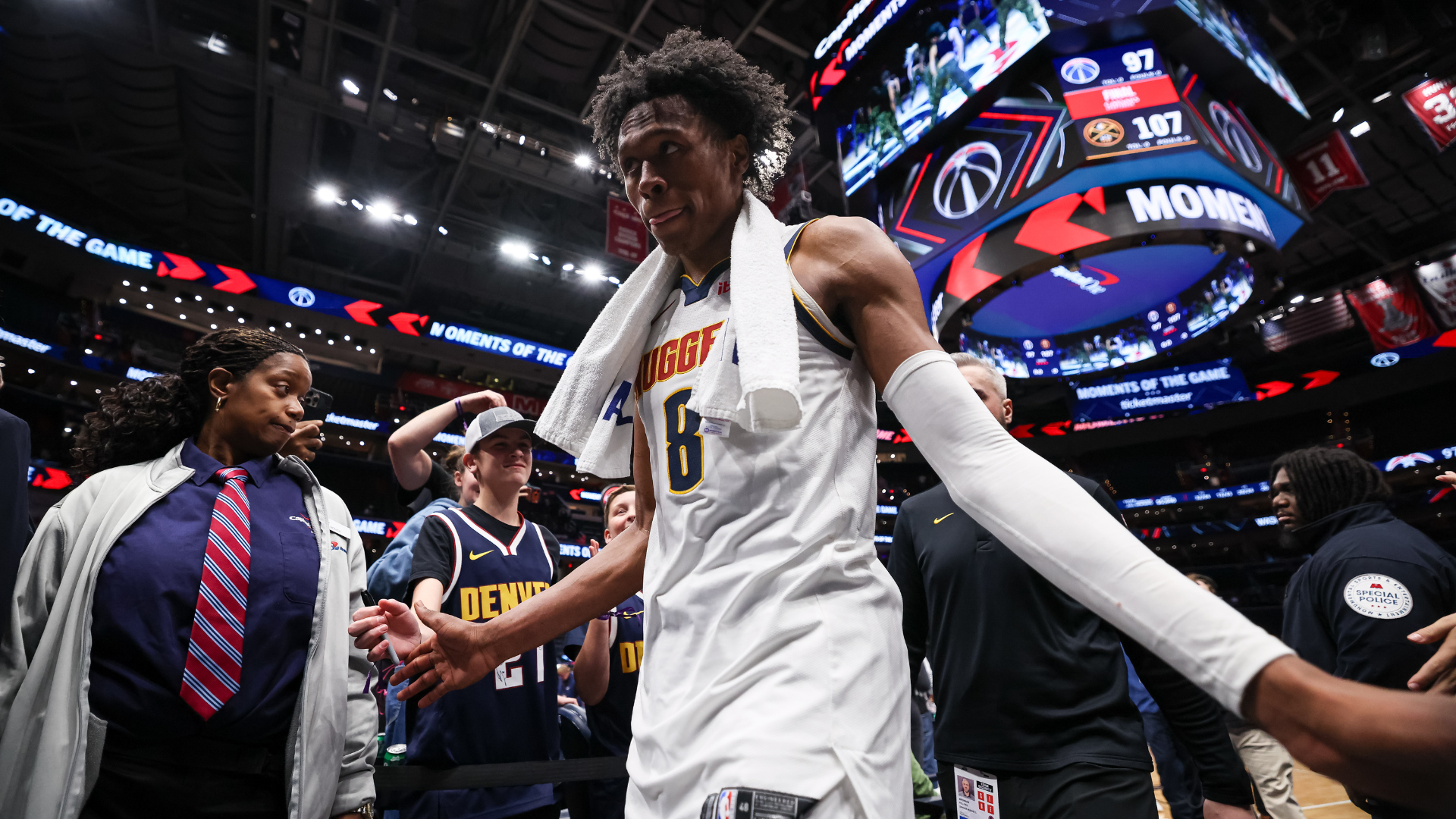
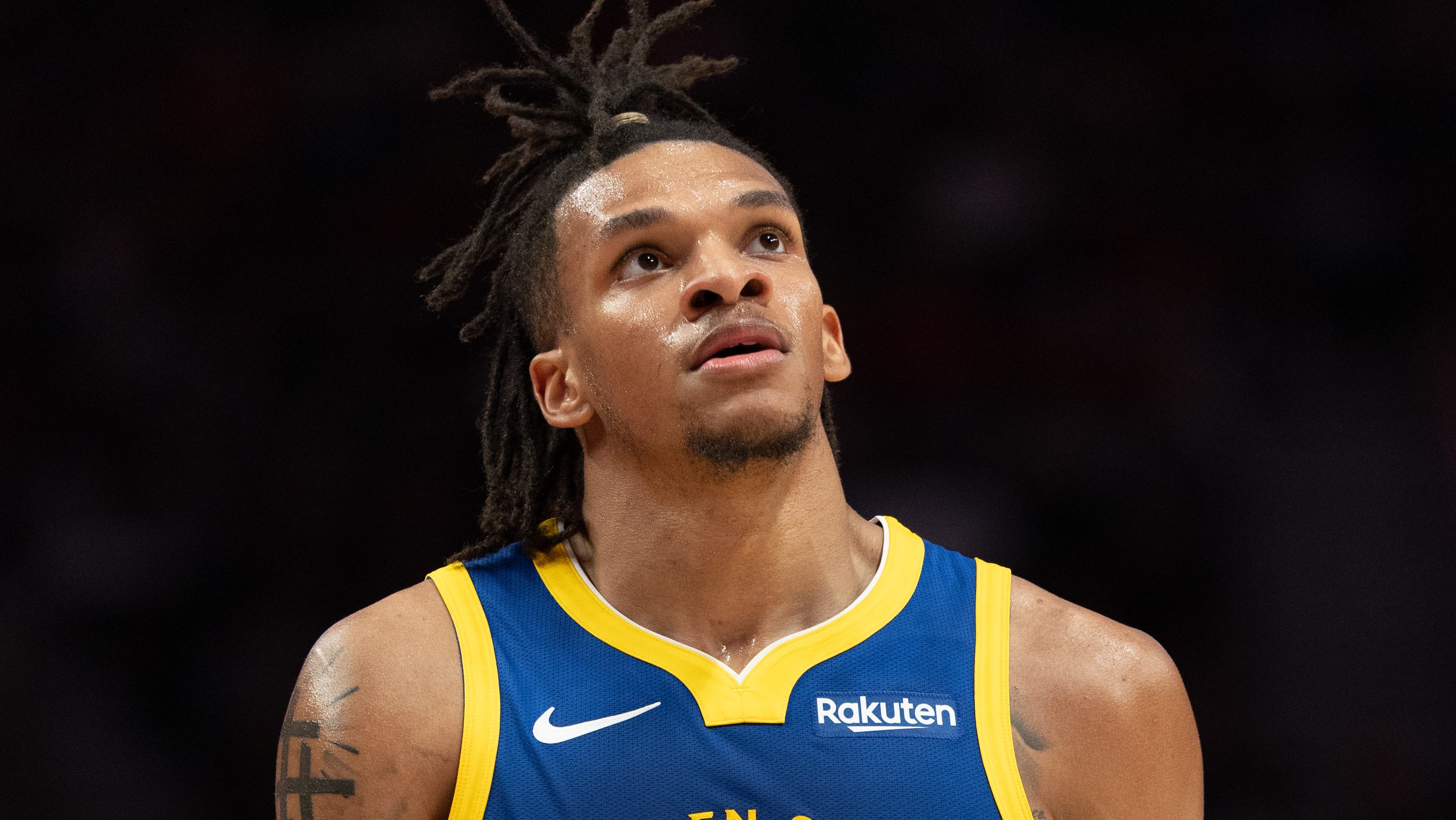
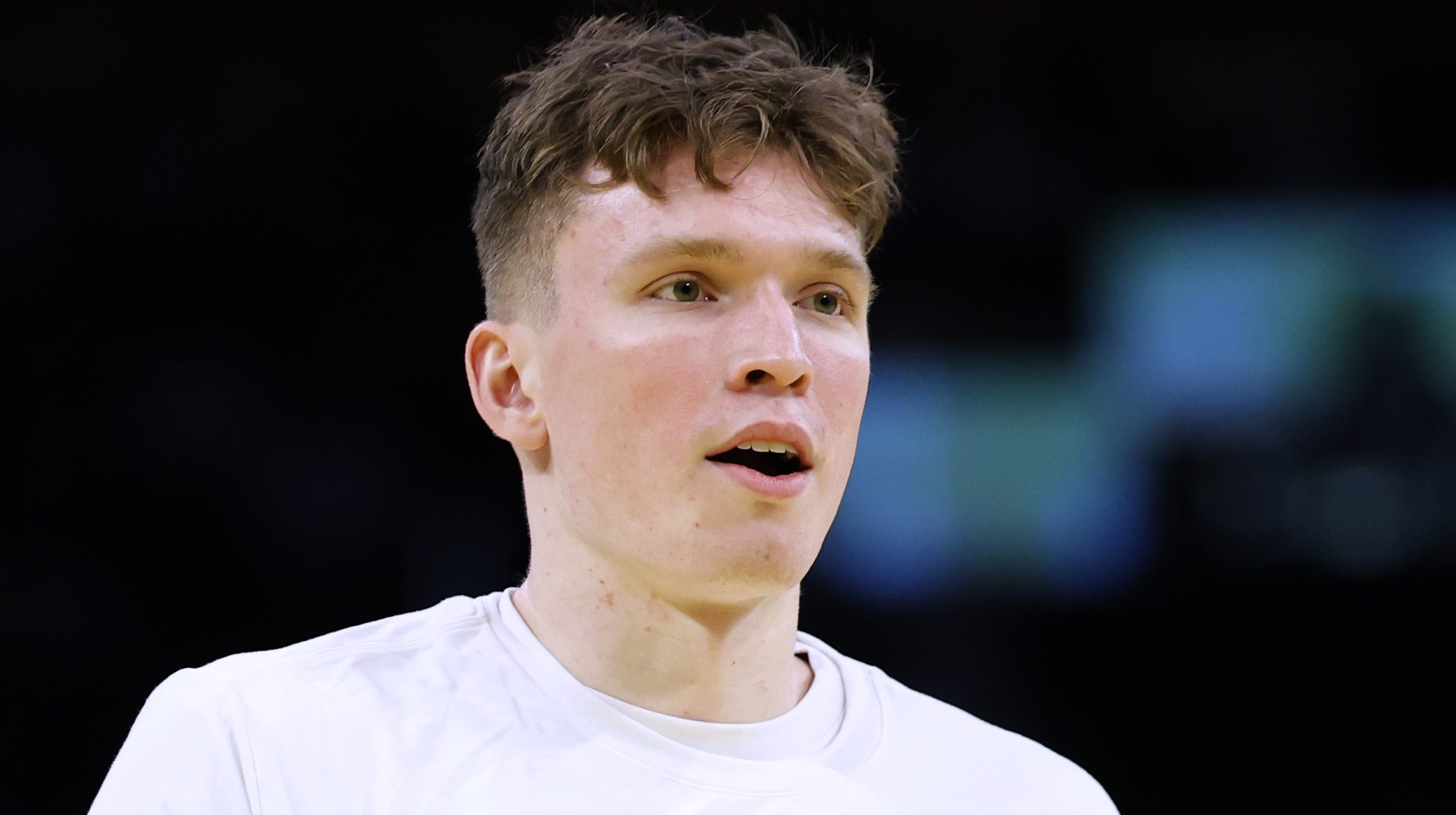
Drummond’s decision to join the Knicks fills a clear need for New York, especially after Mitchell Robinson departed for the Boston Celtics. The 30-year-old from Mount Vernon, New York, is expected to back up Karl-Anthony Towns in New York after agreeing to the one-year contract. His experience in reserve roles and his established rebounding prowess made him a practical fit for teams seeking reliable depth behind a primary rim protector.
Before finalizing with New York, Drummond had been viewed as one of the most sensible veteran center targets for the Lakers. After the Ayton trade, Los Angeles was exploring options to back up Kessler, who had been central to the team’s plans. Charania had noted that other veteran centers, including Jonas Valančiūnas and Kevon Looney, were also on the Lakers’ radar, signaling a broader evaluation of the center market to augment the second unit without altering Kessler’s role as the primary starter.
Drummond’s production in recent seasons has remained steady, particularly in the areas of rebounding and rim protection. While he is no longer the dominant force he once was, his reliability as a reserve center has continued to be valued across the league. In the most recent season, he appeared in 63 games, with 25 starts, averaging 6.4 points, 8.4 rebounds, 1.3 assists, and 0.8 blocks per game in roughly 19.5 minutes per night. His ability to nurture the Lakers’ depth in the frontcourt would have complemented Kessler well, offering experience and a proven presence off the bench.
With Drummond off the table, the Lakers remain in the market for an experienced center who can spell Kessler effectively. Valančiūnas and Looney were still on the radar, with Valančiūnas bringing interior scoring, size, and rebounding—averaging 8.7 points and 5.1 rebounds in 65 games for the Denver Nuggets last season—while Looney offered championship-caliber versatility and familiarity with a winning culture from his time with the Golden State Warriors.
The Lakers have actively reshaped the roster around Dončić, adding players such as Walker Kessler, Quentin Grimes, Collin Sexton, Sandro Mamukelashvili, and Jaden Hardy as part of a broader plan led by general manager Rob Pelinka. Kessler’s addition represented a strategic move to provide elite rim protection at the starting center position, one of Dončić’s key requests. The next step is identifying a veteran to reliably spell Kessler and maintain the Lakers’ defensive integrity while minimizing minutes on the starter.
As Los Angeles moves forward, the focus is on securing depth that can contribute immediately without disrupting the established roles. The center market remains competitive, with several established big men available who could fill the bench center role. The Lakers will weigh interior scoring, rebounding, shot-blocking, and fit within the current rotation as they evaluate remaining options.
In the broader context of the team’s roster development, the Lakers have prioritized surrounding Dončić with a balanced mix of playmaking, shooting, and interior defense. The acquisition of Kessler answered one of Dončić’s major requests, and the search for a dependable veteran backup center continues to be a priority. The goal is to solidify the bench with a player who can contribute immediately, preserve the integrity of the starting unit, and help the team navigate the rigors of a demanding NBA schedule.
As teams prepare for the start of the season, the Lakers’ front office will be monitoring centers available on the free-agent market and potential trade possibilities. The objective remains clear: build a capable and cohesive second unit that can maintain pressure, contain opponent bigs, and provide reliable scoring and rebounding when Dončić is not on the floor. With several veteran centers still on the market, Los Angeles will continue pursuing the best fit to complement Kessler and the rest of the roster, ensuring a well-rounded rotation come tip-off.