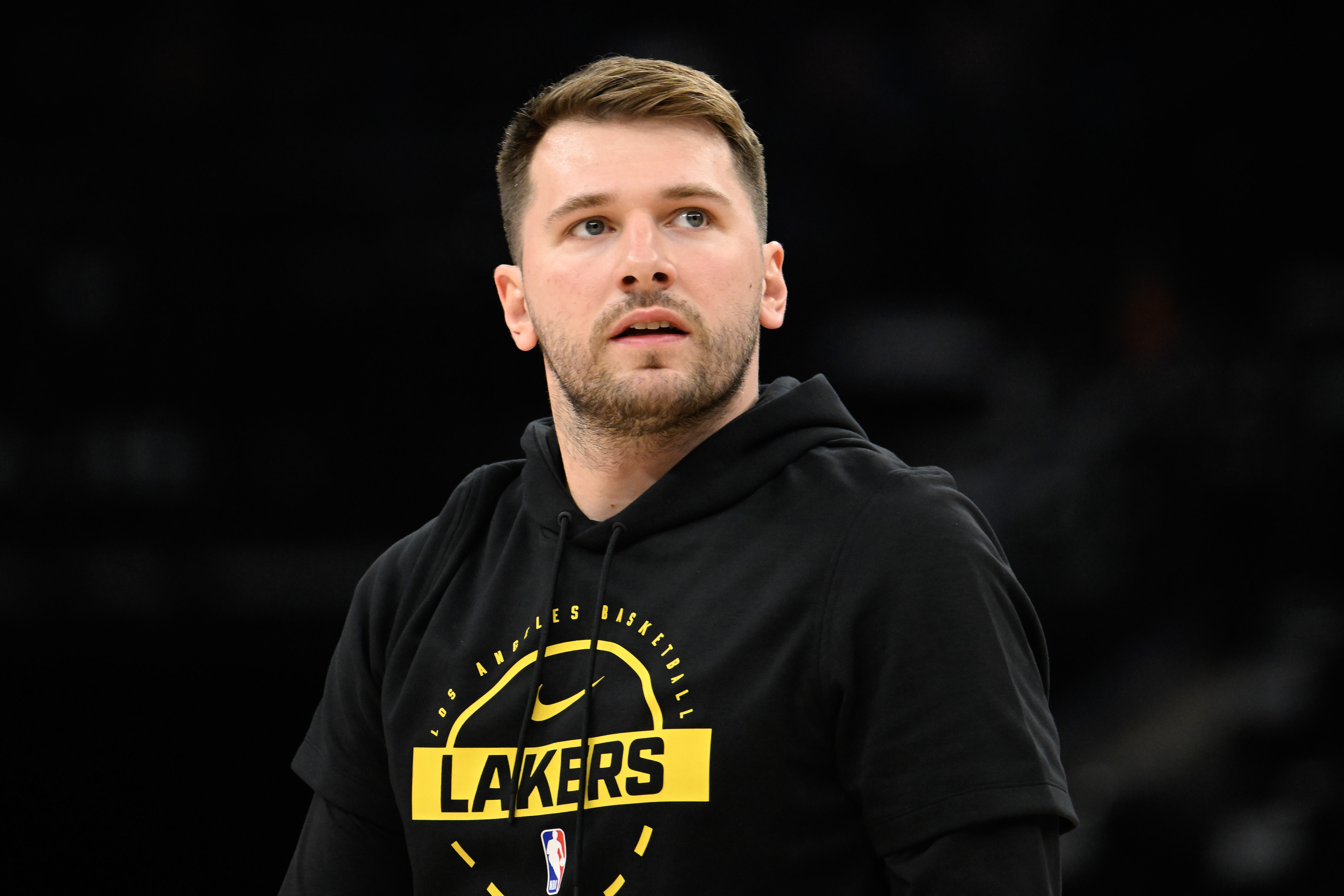
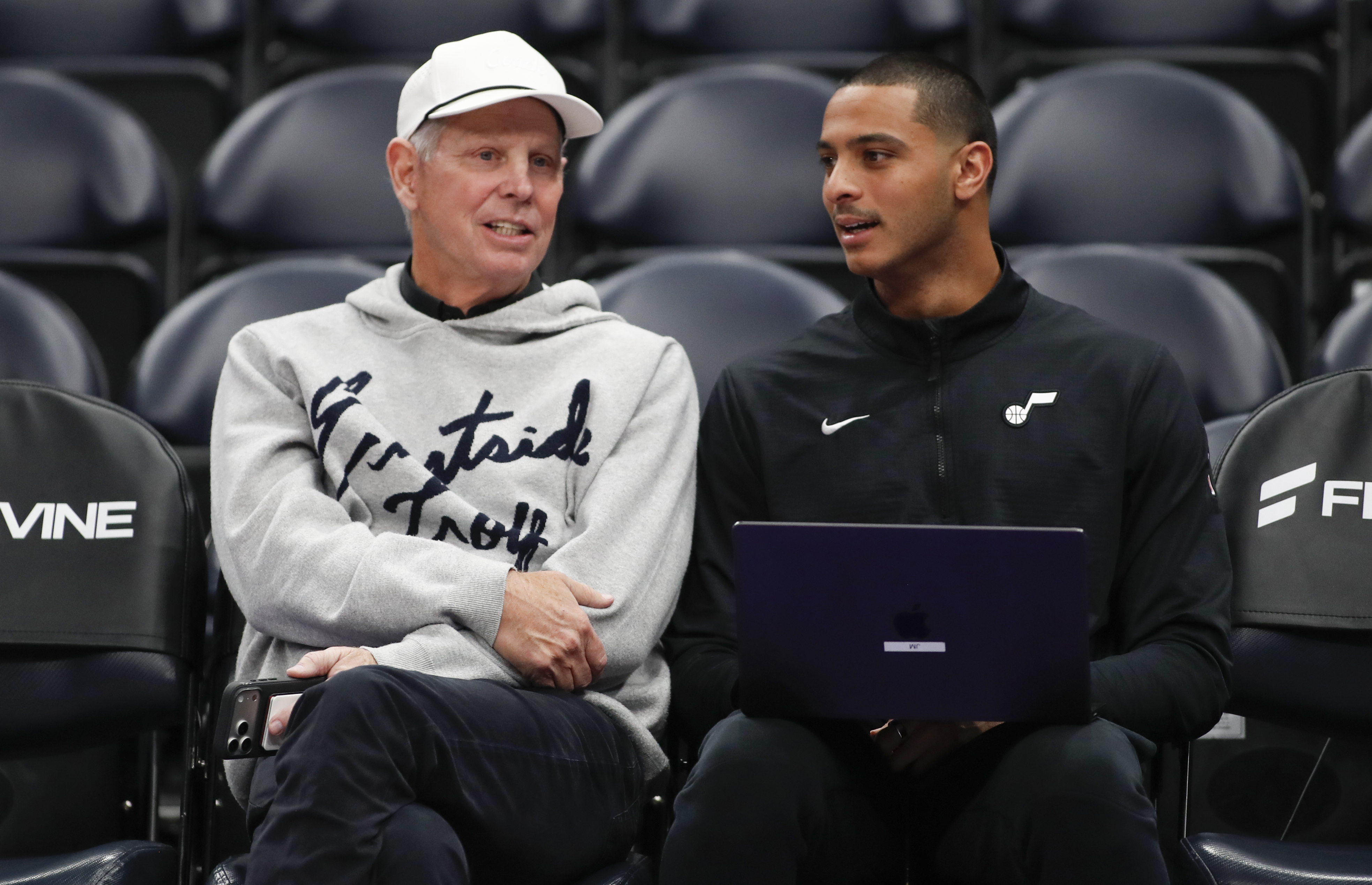
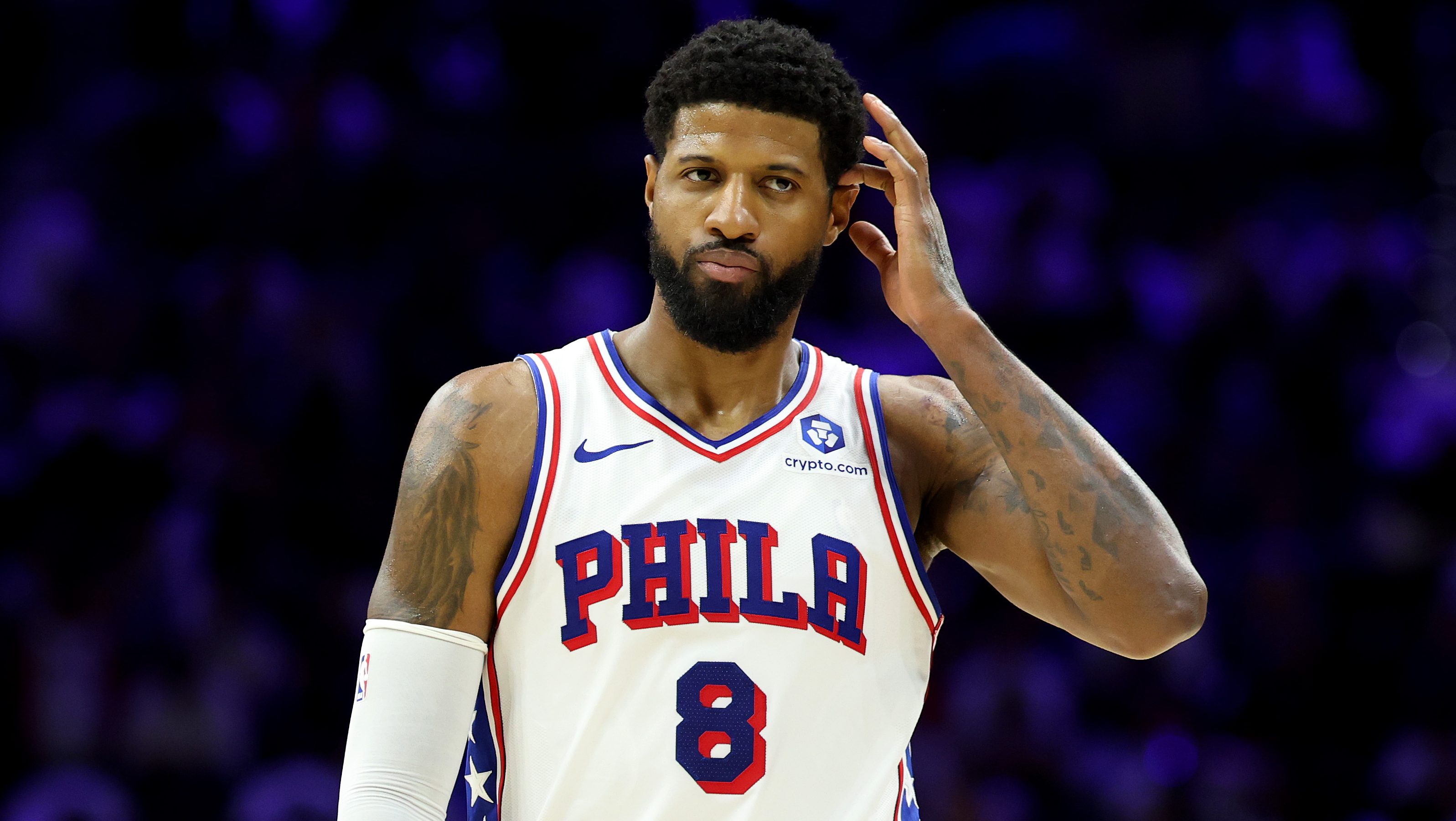
During a recent podcast, prominent NBA analyst Zach Lowe floated a stark view about the Lakers’ ceiling in the near term. His takeaway: the team appears unlikely to overcome stronger Western Conference contenders such as the Oklahoma City Thunder and the San Antonio Spurs in playoff series over the next couple of seasons. He suggested that the only meaningful path to real contention could involve trading young star Austin Reaves in the coming years, should the current framework fail to produce results. While he cautioned that the moves aren’t catastrophically bad, he argued that the Lakers’ window to contend may hinge on future roster alterations.
Lowe’s assessment centers on several key points. First, he acknowledged that the Lakers lack obvious routes to surpass the Thunder or Spurs in best-of-seven playoff matchups in the near term. Second, he implied that the current group might require a strategic shift—potentially trading Reaves for greater versatility or for a star who complements Luka Dončić, thereby creating a clearer path to success. In his view, the roster as constructed may struggle to generate sustained success against rising Western powers.
From a broader perspective, the Lakers’ challenge is not merely about star power but also about depth and flexibility. The Western Conference has become stacked with young, high-potential teams that project to be competitive for several seasons. The Denver Nuggets, Minnesota Timberwolves, and Houston Rockets are often cited as examples of franchises with bright futures, and they are expected to pose significant hurdles for Los Angeles next season. In this context, purely incremental improvements may not be enough; a more transformative strategy could be required to reestablish the Lakers as legitimate title contenders.
Contract space and draft capital further complicate the picture. After the recent signings, cap space is more constrained, limiting the team’s ability to attract additional talent without making difficult roster decisions. Compounding the issue is a lack of tradable first-round picks for several years, which diminishes flexibility in making major midseason moves or long-term strategic shifts.
Given these dynamics, discussions about Austin Reaves taking on an even larger role become central to the team’s outlook. Reaves’ development will be crucial: if he evolves into a high-level scorer and playmaker, he could be a central piece around which the Lakers build a more balanced and formidable lineup. Conversely, if his progression stalls, the Lakers may need to explore other avenues to add star-level impact or two-way versatility.
Walker Kessler’s role is also pivotal. As a young center with considerable potential, he brings shot-blocking presence, rim protection, and traditional big-man value. If he develops into a top-tier contributor, he could be part of a strong frontcourt alongside the team’s perimeter players. However, the team will need supporting pieces who can create, shoot, and defend at a high level to maximize Kessler’s impact and keep pace with elite Western teams.
The broader takeaway is that the Lakers’ path to sustained success will likely depend on a combination of player development, strategic cap management, and timely trades. The front office faces the challenge of reconciling a roster built around emerging talents with the realities of a competitive Western Conference. If Reaves continues to elevate his game and Kessler reaches his ceiling, there is potential for a more formidable core. If not, the team may need to pursue more drastic changes to reestablish itself as a title contender.
In the meantime, fans and analysts will watch closely to see how the Lakers maximize the pieces they currently have. The balance between developing young players, leveraging depth, and maintaining enough flexibility to adapt to evolving competition will shape the franchise’s trajectory over the next several seasons. The questions remain: Can Reaves become a true centerpiece, and will Kessler develop into a cornerstone? Only time will reveal how the offseason decisions translate into on-court success in a highly competitive Western Conference.