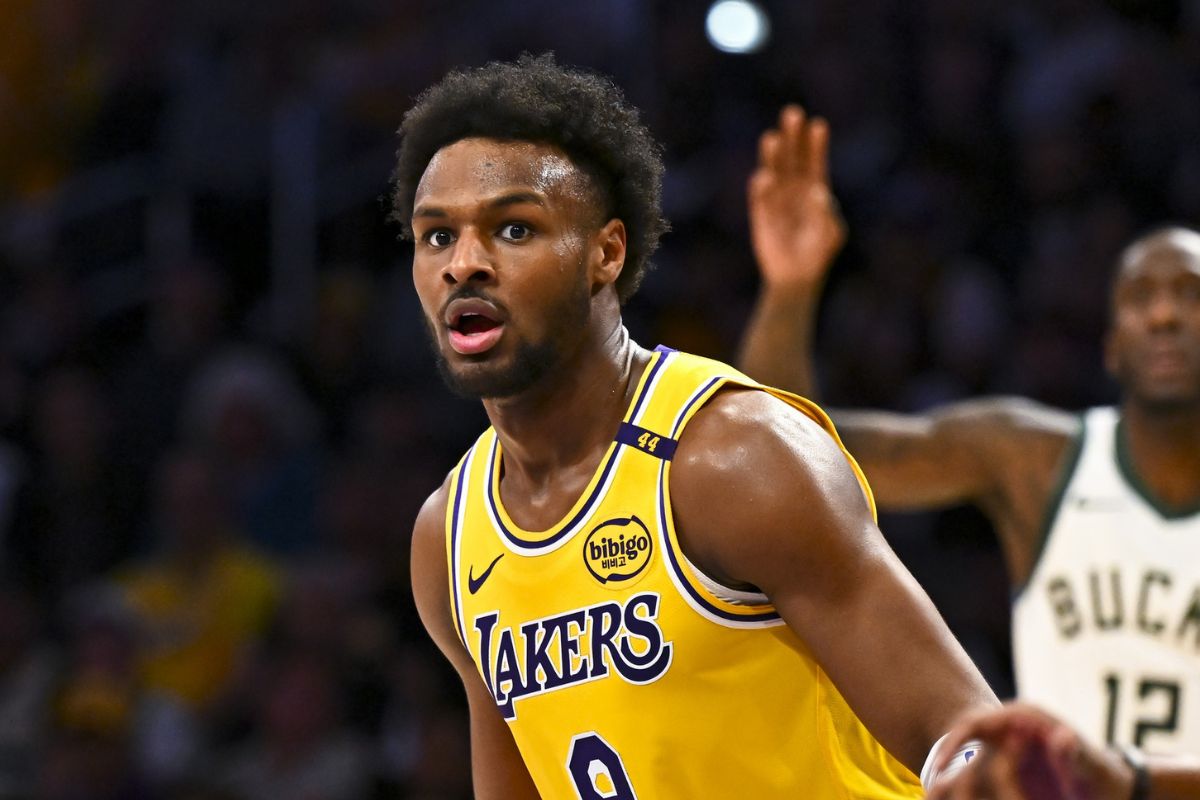
The analyst argued that the external circumstances surrounding Bronny—namely, the enormous footprint of his father’s legacy and the intense public scrutiny that comes with it—could make a long professional run more challenging than it needs to be. The core of the argument was pragmatic: given the modern NBA landscape, where players are valued for both their talent and their potential for growth, Bronny’s return on investment might be perceived as limited if the expectation is that he must immediately measure up to his father’s record or be compared to him at every turn.
Supporters of Bronny’s continued pursuit, however, push back against the retirement narrative. They point out that the league has a wide and diverse ecosystem, with room for players at various stages of development. A 21-year-old guard can still carve out a meaningful role as a developmental piece, especially on a team rebuilding its roster. Bench contributions from young, cost-controlled players are a common and valuable strategic asset for teams aiming to balance competitiveness with long-term flexibility.
A key point in the discussion centers on Bronny’s current performance metrics. At 21, he has shown flashes of potential but has yet to establish a consistent statistical footprint that would secure a defined role as a core piece on a contending squad. The debate touches on whether a player with limited early statistical impact can still grow into a reliable contributor in a highly complex league, where minutes, fit, development pace, and coaching philosophy all influence career trajectory.
From a roster-management perspective, teams often weigh the upside of continued development against the immediate value of a ready-made contributor. In Bronny’s case, executives must consider how his presence affects the broader salary structure, cap space, and the team’s long-term plans. The conversations around such a topic frequently involve not only on-court fit but also market perception, fan engagement, and the practicalities of developing a player who carries the weight of a famous family name.
The Lakers’ approach to Bronny’s contract has also drawn attention. In the wake of LeBron James’s departure, the franchise has faced mixed reactions from fans and analysts about how to handle Bronny’s guaranteed deal and future role. Some argue that ensuring financial stability for Bronny could be beneficial for his development and for the organization’s perceived goodwill. Others contend that the team should be methodical, evaluating Bronny’s progress and potential trade value or breakout season before making long-term commitments.
As this situation unfolds, the broader question remains: can Bronny design an identity in the NBA that is distinct from his father’s legacy? The answer may hinge on opportunities for growth, the right developmental environment, and the ability to demonstrate a clear, evolving skill set that makes him valuable beyond the shadow of LeBron James. If Bronny can establish a niche—whether as a versatile guard, a playmaking secondary ball-handler, or a defensively capable wing—he could develop into a meaningful contributor for a team prioritizing youth development and cap flexibility.
In the meantime, the NBA landscape continues to emphasize the importance of player development and role definition, particularly for young guards entering the league with high expectations but still in the early stages of their careers. The conversation around Bronny’s future reflects a larger theme in professional basketball: the delicate balance between leveraging a famous lineage for opportunity and proving worth through sustained performance, adaptability, and growth.
Ultimately, the decision about Bronny’s path will rest with his own goals, the opportunities presented by NBA teams, and his ability to cultivate a game that stands on its own merits. While opinions will vary, the priority for Bronny remains clear: focus on personal development, demonstrate consistency, and pursue a role where his contributions align with a team’s strategic plan. The road ahead will require patience, perseverance, and a willingness to embrace the process of growth that defines many successful players in the league.
Note: This rewritten article preserves the factual context of the discussion surrounding Bronny James’s NBA future and the debates among analysts, without referencing or replicating any original publisher’s form or direct quotes beyond what is necessary for context.