The standard free-throw rules that most fans are familiar with have been in place in the NBA since the 1979-80 season. However, there is ongoing dialogue at the league level about potential changes. Recent discussions have included the possibility of experimenting with a one free throw rule in the NBA Summer League. Notable voices within the sport have weighed in, with some expressing strong opinions about any proposed changes.
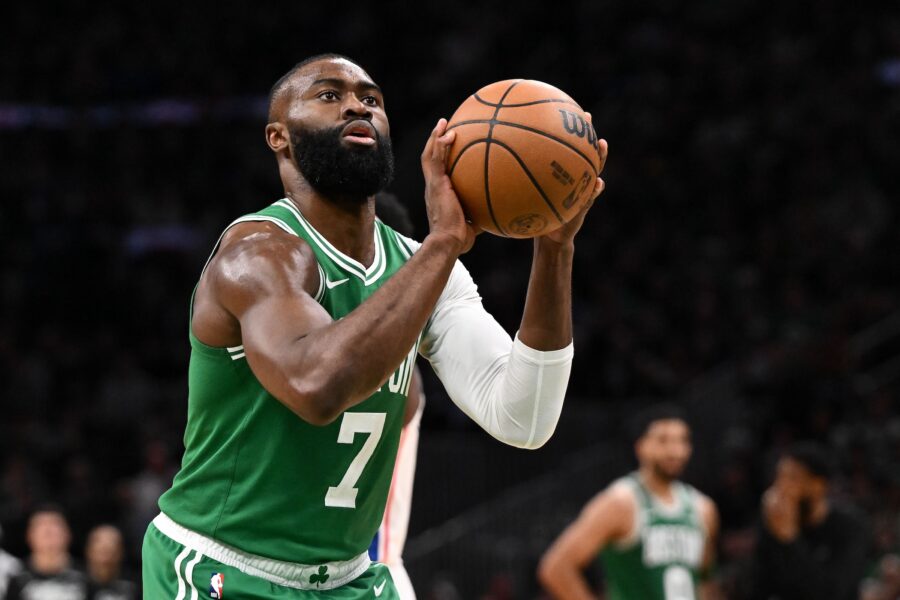
Under the proposed one free throw rule, every trip to the free-throw line would involve a single foul shot. For instance, if a player was fouled on a two-point attempt, making one free throw would result in two points. Likewise, a foul on a missed three-point attempt would yield three points from one free throw. This approach contrasts with the current system, where the number of free throws can vary based on the type of shot and the foul.
Proponents of such a change argue that it could shorten games and reduce the length of stoppages caused by multiple free throws, thereby making the action more entertaining for spectators. Critics, however, contend that it could alter strategic elements of the game and impact player incentives in various situations.
One notable modification tied to these discussions is a time-based adjustment: the traditional free-throw procedure would be retained only in the final two minutes of the fourth quarter. If the game proceeds to overtime, the traditional free-throw rules would apply for the entire overtime period.
Summer League as a testing ground
The league appears interested in using the NBA Summer League as a testing ground for these ideas. In addition to the potential one free throw rule, there are plans to experiment with new tracking technology. Officials are exploring the possibility of embedding sensors in official game balls to track data more precisely during play.
The objective of this initiative, often referred to as the “Connected Basketball” experiment, is to aid officiating by providing immediate data, particularly in situations involving last-touch out-of-bounds calls. While the technology is new and promising, its accuracy and reliability will need to be evaluated under real-game conditions before any widespread adoption.
Impact and considerations
Any shifts in free-throw rules would have meaningful implications for game flow, scoring patterns, and strategic decision-making. A one free throw rule could simplify certain moments but might also change how players approach and anticipate fouls in late-game and high-pressure situations. The use of tracking sensors could enhance officiating accuracy, yet it would require rigorous validation to ensure consistent performance across venues and conditions.
As the NBA explores these potential changes, teams, players, and fans will be watching closely to understand how adjustments in rules and technology could reshape the way basketball is played and perceived. The goal remains clear: preserve the integrity and excitement of the game while improving pacing and officiating for a better overall experience.