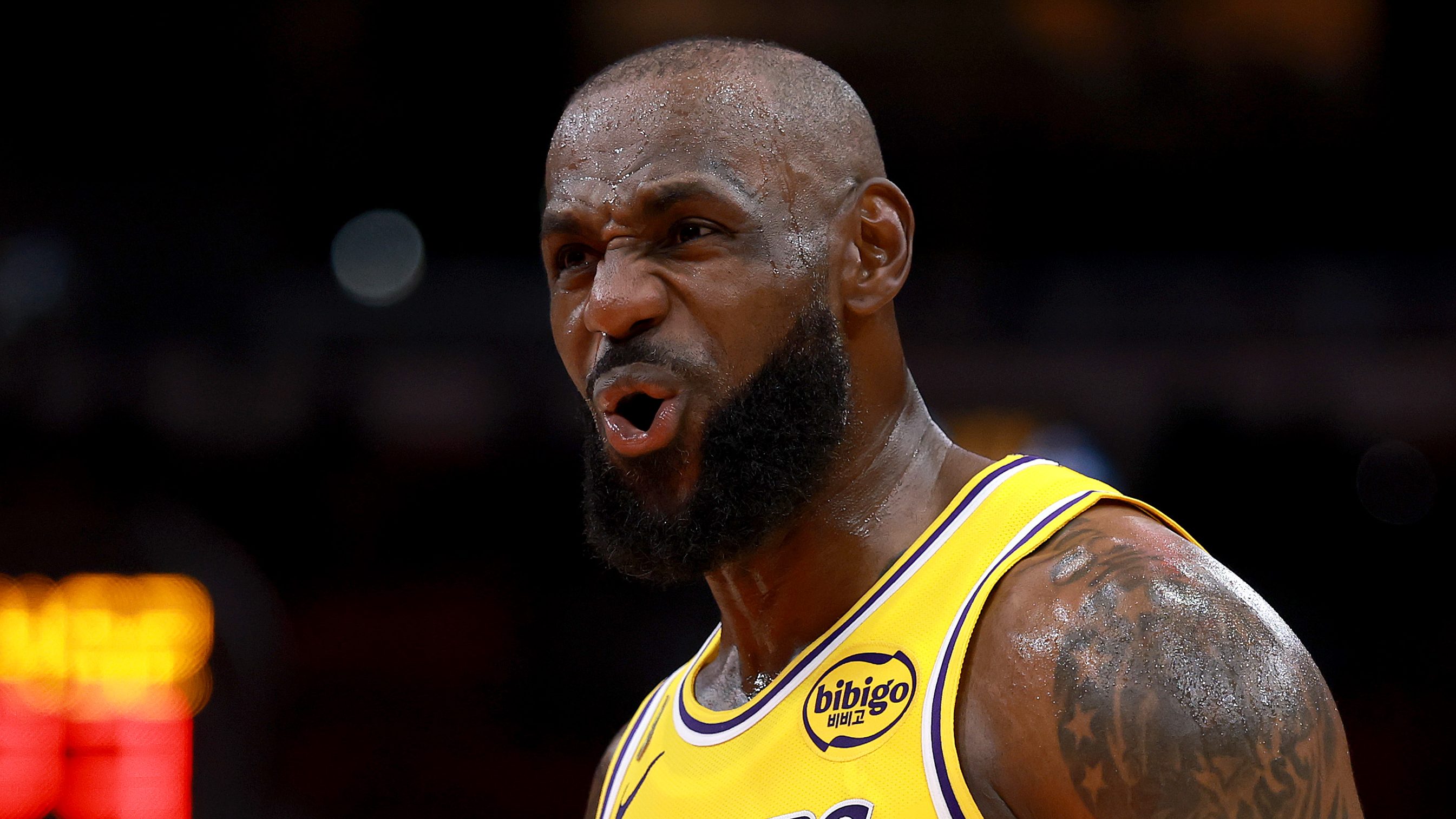
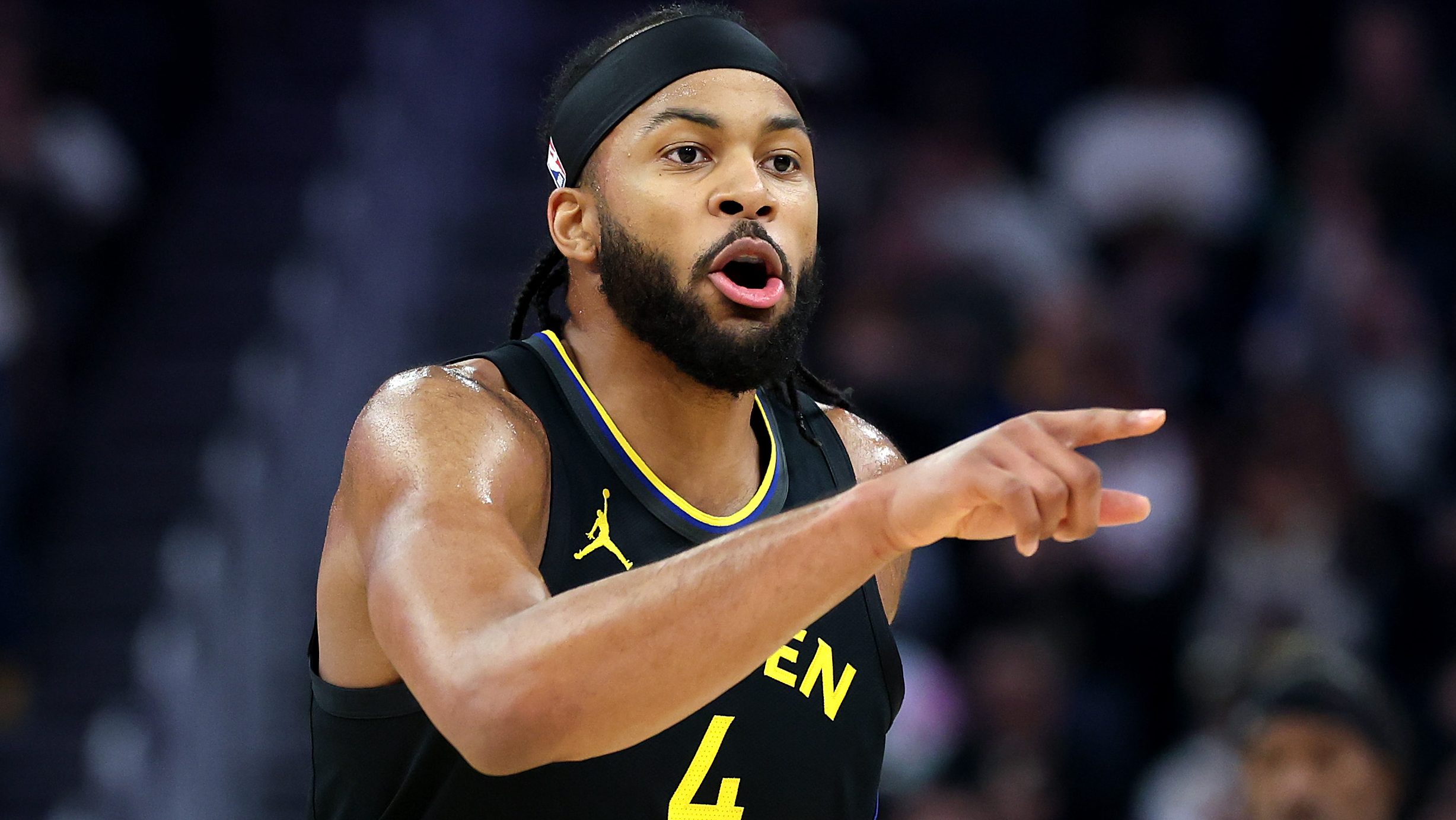
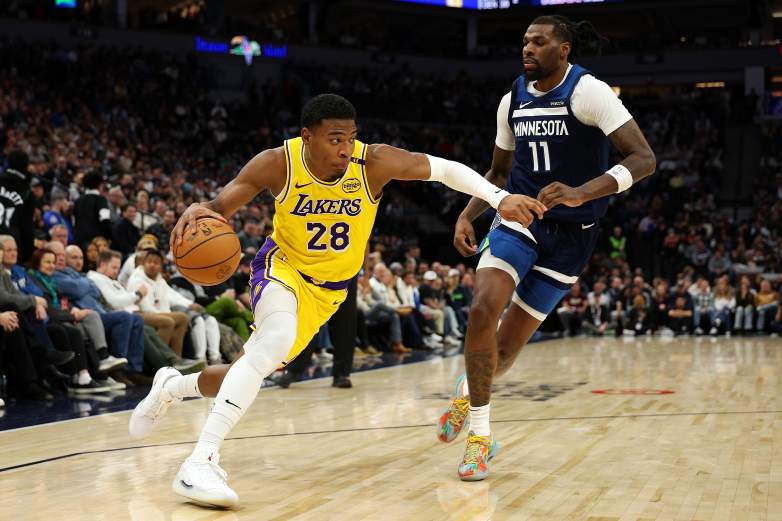
Brown entered the 2025-26 season coming off his best individual year, having never requested a trade despite ongoing questions about the fit with Tatum. The two players were drafted a year apart and developed together in Boston, forming a dynamic partnership that helped the team reach the highest peak in recent memory. Yet, after two consecutive playoff exits without reaching the ultimate goal, the Celtics faced difficult questions about how to construct a championship core around two high-priced supermax contracts.
In the days leading up to the trade, speculation swirled about the viability of Brown and Tatum as a long-term championship duo. The Celtics reportedly explored Brown as a trade asset on multiple occasions, with a deal finally taking shape when Philadelphia entered the picture. A prominent basketball insider cited that Boston had concluded the two-star formula might no longer guarantee a title, whether due to on-court chemistry, personal dynamics, or the overall fit within the roster’s structure.
The decision to move Brown was described by several industry reporters as driven by the belief that a championship-caliber team might require different dynamics or a different balance of strengths. While Tatum remained off the table in discussions, Brown’s value had risen to a point where a trade could restructure the Celtics’ ceiling. The plan, according to those briefed on the process, was to acquire a veteran star who could complement the rest of the roster while also preserving multiple future draft assets to sustain long-term competitiveness.
Beyond the basketball fit, reports indicated that personal factors played into the evaluation. Brown’s public persona—avidly engaging with fans through live streams and other channels—had become a topic of internal discussion. While some sources described these activities as a personal brand extension, others suggested they contributed to a perception of balance issues within the organization. Brown himself pushed back on any characterization of his off-court activities as problematic, framing them as an authentic part of his identity and approach to the game.
On the court, the Celtics faced the challenge of maintaining a high-level competitive window with an aging roster in need of relief at certain positions. The pursuit of a player like Paul George, who brings defensive versatility and veteran scoring ability, signals a shift toward a roster built to contend immediately while still keeping options open for the future through draft capital. The trade also reflects the evolving nature of how teams weigh short-term championship aspirations against long-term asset preservation.
The response from the team’s fanbase and punditry has been mixed, with many acknowledging Brown’s strong contributions as a primary scorer and dynamic two-way player who could carry teams when Tatum was unavailable. Others recognize the logic in recalibrating toward a more balanced, multi-layered roster capable of sustaining success over a longer horizon. In Philadelphia, Brown joins a roster already built around star-level talent, and the pairing with George promises a blend of offensive firepower and wingspan that can pressure defenses in multiple ways.
Final assessments of the move will unfold over time. Brown demonstrated leadership when injuries sidelined his star teammate, proving he could shoulder significant responsibility and elevate the team’s performance when needed. The Celtics, however, chose to pivot, prioritizing a different combination of talents and strategic priorities to chase a title under evolving circumstances.
For the Celtics, the chapter with the Jays era is closed, with the organization looking ahead rather than backward. The trade opens new possibilities for lineups, defensive schemes, and rotation flexibility, while also acknowledging the necessity of rebuilding chemistry and rhythm around a refreshed core. As the team integrates the new pieces and recalibrates its approach to rosters and rotations, fans will be watching closely to see how this new configuration translates into playoff momentum and, ultimately, a championship pursuit.
Key takeaways:
– The team acquired veteran star Paul George, along with multiple future draft assets.
– The departure ends the era of a high-profile pairing between Brown and Tatum.
– Internal discussions reportedly referenced both on-court fit and personal dynamics as factors in the decision.
– The move reflects a broader strategy of balancing immediate contention with long-term asset management.
– Brown’s departure marks the start of a new chapter for both teams as they redefine their competitive trajectories.
This article presents a synthesis of reporting and public commentary on the trade and its implications for the teams involved, focusing on the strategic, on-court, and organizational factors that typically drive major franchise moves.