During a recent episode of a popular sports talk show, the pundit referenced the Lakers’ changing roster, challenging the composition of the team’s top players. He asked why three of the team’s most prominent players would come from the same demographic, arguing that such a lineup would be unsuitable for today’s level of competition. The pundit emphasized that this is basketball, not other sports, and suggested that having three players who share a particular background would hinder the Lakers’ ability to achieve sustained success.
The remarks touched off a broader discussion about roster construction and the evolving landscape of the NBA, which has become more diverse and international. Critics argued that race-based critiques are misplaced and that performance, fit, and development should drive decisions. Supporters of the pundit’s stance contended that the discussion highlighted concerns about how teams prioritize talent and fit in the modern game.
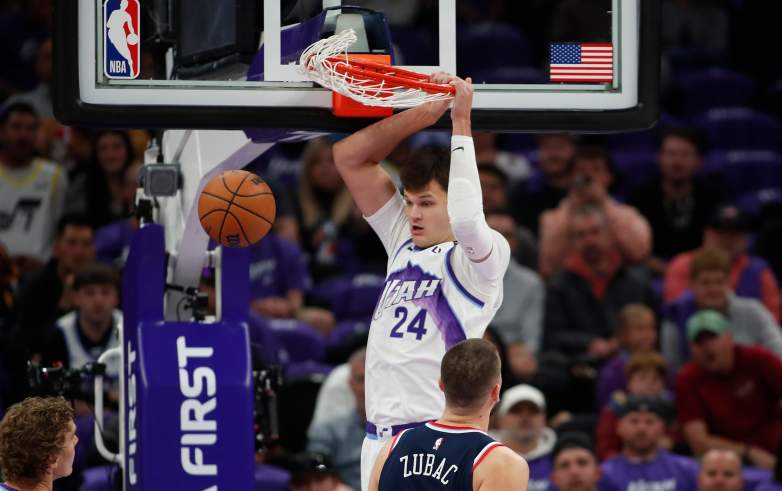
At the heart of the controversy is the Lakers’ strategy following LeBron James’s departure. James opted to leave, seeking a fresh path and a greater chance at championship contention with another organization. The Lakers targeted cap space created by his exit to bring in additional talent and to reshape the core around Doncic and Reaves. In this context, the acquisition of Walker Kessler through a trade with the Utah Jazz—an exchange that involved two draft picks and a long-term commitment to the young center—was cited by detractors as a potential downgrade for the roster.
The debate extended to whether the Lakers can realistically contend for a championship with the current trio of Doncic, Kessler, and Reaves as the franchise’s top talents. While Doncic is widely regarded as a franchise centerpiece, Reaves and Kessler have shown potential but also possess limitations that critics say could affect the team’s ceiling. Overall, observers note that roster decisions—rather than any single factor—will determine the Lakers’ competitiveness in the Western Conference, where teams like the San Antonio Spurs and Oklahoma City Thunder are also in the mix.
Readers are encouraged to evaluate the Lakers’ offseason moves on their own terms, weighing the balance between star power, young talent, and fit within the broader context of the Western Conference landscape. As the season approaches, the effectiveness of the Lakers’ strategy will become clearer through on-court performance, player development, and how well the team adapts to the evolving style of modern basketball.