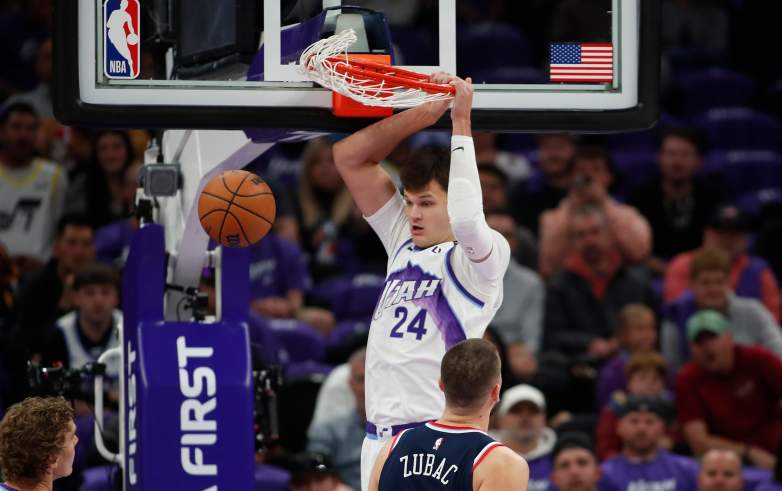
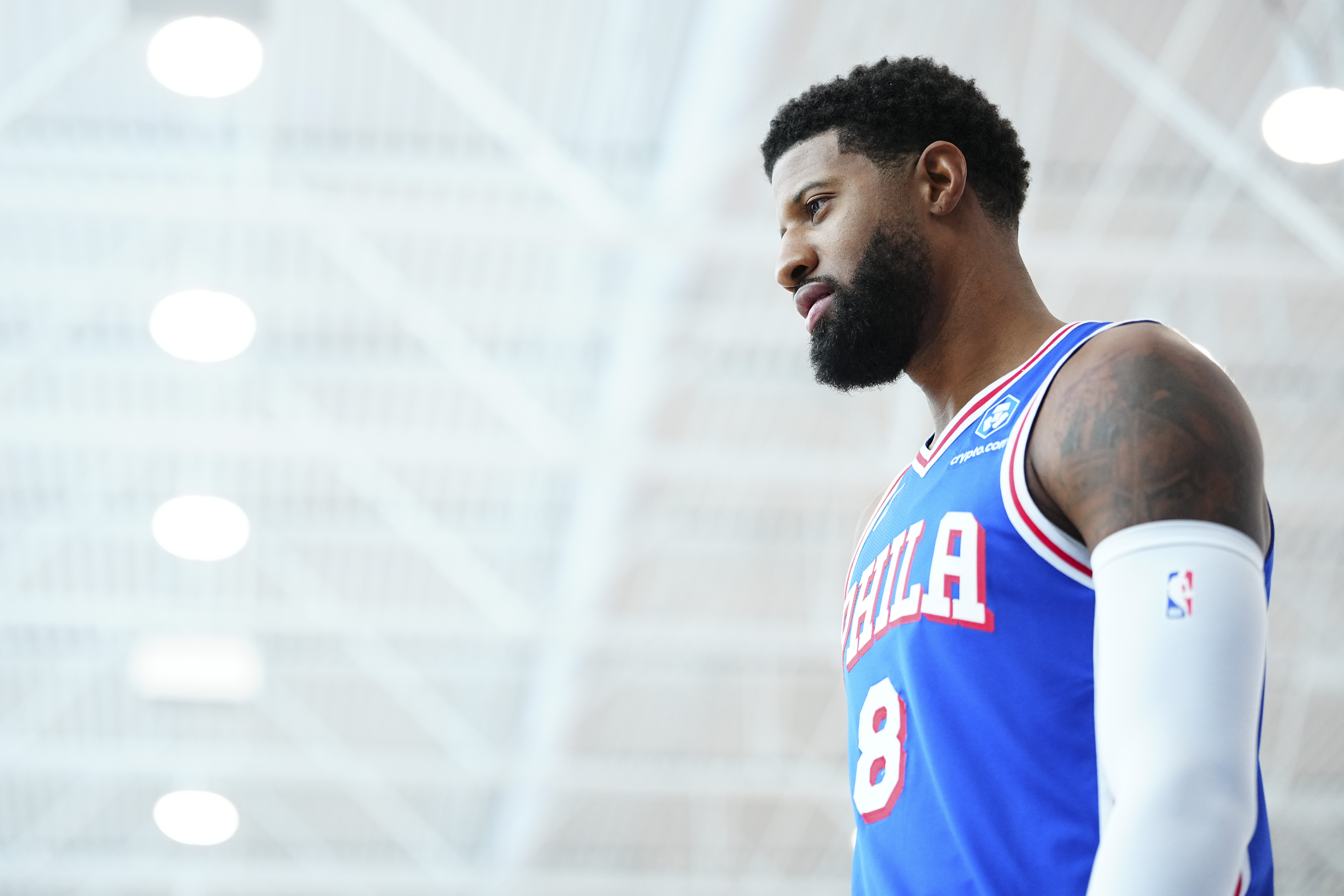
Reported deals highlighted a substantial commitment to the roster, with one widely circulated summary noting four signings totaling a significant average annual value (AAV). The figures mentioned were Walker Kessler, Quentin Grimes, Sandro Mamukelashvili, and Collin Sexton, each tied to multi-year contracts. Specifically, the package was described as a four-player haul with an aggregate AAV that would place the Lakers among teams with aggressive cap management. The reports also indicated two roster spots would remain open for veteran minimum signings, and that the club did not currently hold tradeable first-round picks.
As the information circulated, analysts cautioned that such sums could be subject to change as negotiations continued and as teams finalize their cap sheets. One prominent voice in Lakers coverage suggested that any additional roster shakeups could hinge on how the team chooses to approach flexibility under the salary cap. The possibility discussed included reworking or waiving a veteran presence to create additional room for future acquisitions or to pursue other strategic moves.
Fans and observers watched closely for potential cost-saving maneuvers that could unlock more cap space without destabilizing the core roster. In this vein, there was discussion about waiving a veteran contributor to free up roughly seven million dollars in cap space, which would provide breathing room for mid-season adjustments or additional signings. Such a step would be particularly relevant for a team navigating a tight financial landscape while trying to balance competitiveness with long-term flexibility.
Beyond contract discussions, the free agency period continued to reveal the Lakers’ intentions to build a deep, versatile squad. Analysts highlighted the importance of adding players who can contribute across multiple positions, defend multiple schemes, and provide reliable production off the bench. With two open roster spots at the veteran minimum, the team would have the opportunity to tailor its final composition to fit coaching priorities and on-court chemistry.
As always with free agency, there is a blend of certainty and rumor. While several outlets reported specific signings and contract details, the actual final agreements depend on official confirmations, medical evaluations, and the teams’ evolving cap situations. The Lakers’ front office has historically prioritized a mix of youth, experience, and cap-efficient contracts, aiming to create a flexible yet competitive roster that can contend for advancement through the season and into the playoffs.
For fans, the key narrative remains the balance between adding impact players and maintaining fiscal flexibility. The team’s strategy could shape its trajectory for the upcoming season, influencing breakout performances, role definitions, and the overall competitiveness of the Western Conference. As negotiations continue, observers will be tracking how the Lakers shape their depth chart, the availability of veteran minimum signings, and potential movement tied to future opportunities or constraints.
In summary, the second day of free agency brought significant intrigue around the Lakers, with reports pointing to a high-profile four-player signing scenario and ongoing questions about cap space and roster optimization. The franchise’s moves—whether through newly signed players, waivers, or strategic re-allocations of cap room—will be watched closely by fans and analysts as they assess the team’s path toward building a competitive, flexible squad for the season ahead.