One prominent NBA analyst weighed in on the deal, offering a theory that the Celtics may be pursuing longer-term strategic aims beyond immediate roster reshaping. The suggestion was that the trade could function, at least in part, as a means to adjust payroll and create financial flexibility. By moving Brown and bringing in George, Boston may have opened the door for future maneuvers that leverage the team’s draft capital. The discussion underscored the possibility that the Celtics’ front office does not view this as a one-and-done rebuild, but rather as a restructuring step designed to facilitate larger moves down the line.
The potential avenues this trade could unlock include the Celtics attempting to target additional upgrades via the draft or pursuing established veterans who could fit into a championship-contending roster. In this scenario, the dual first-round picks on the table give Boston more ammunition to pursue aggressive trades, including targets who might be added through multi-team deals or conditional negotiations. The idea is that the front office might explore routes to bolster the roster with supplemental players or to position itself for future star insertions, depending on how the market evolves.
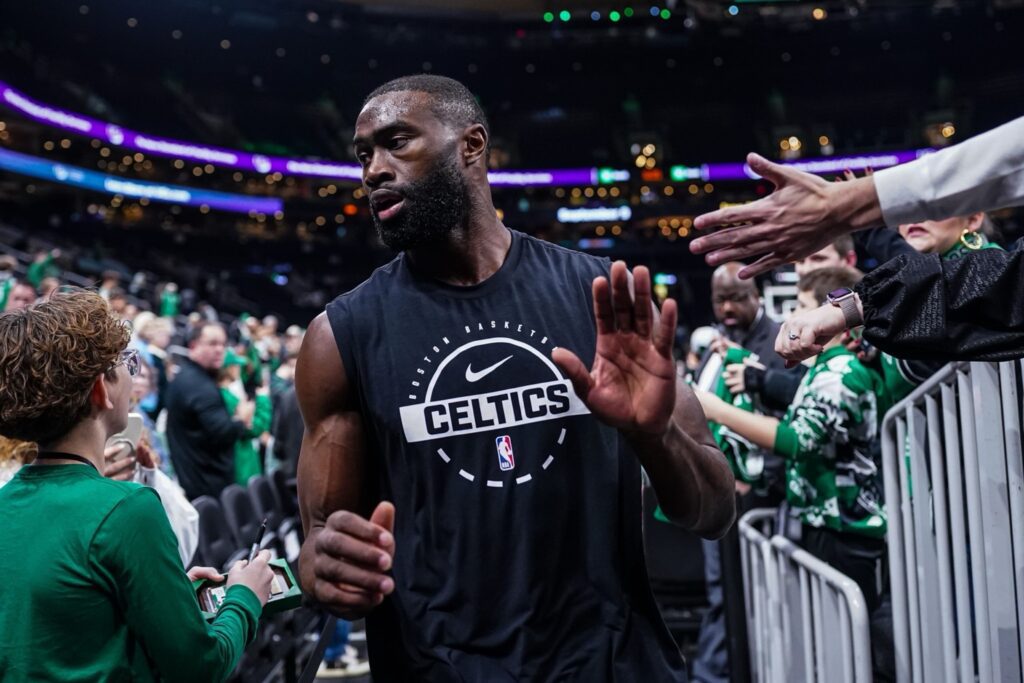
Meanwhile, the player at the center of the discussion, Jaylen Brown, had a notable season prior to the trade, remaining a high-impact scorer and a focal point for Boston’s offense. Reports and commentary highlighted Brown’s continued ability to contribute at a high level, even as analysts debated the best path for the Celtics to maximize their championship window. Brown’s performance during the season reinforced his reputation as a dynamic two-way scorer capable of elevating a team’s ceiling in meaningful ways.
On the other side, Paul George’s contributions were reassessed in light of his age and his fit alongside a young core. George remained a prolific scorer and a seasoned veteran who could help guide younger players while contributing immediately on the floor. His shooting efficiency and versatility would provide Boston with another scoring option and a different dynamic on both ends of the court, potentially alleviating some of the ball-handling and shot-creating duties from teammates and enabling a more balanced attack.
Contextualized within the broader trade market, teams have shown varying levels of willingness to exchange multiple draft assets for established players on sizeable contracts. The Pelicans, for instance, had been linked to aggressive negotiations involving significant draft capital in pursuit of certain players, which fed into the overall speculation about how different teams value future selections versus immediate gains. In this landscape, the Celtics’ decision to part with Brown and pursue George can be seen as a calculated risk—one that hinges on the front office’s confidence in its ability to identify and land complementary pieces through the draft and through savvy trades in the coming seasons.
The trade’s financial implications are also a critical piece of the puzzle. Salary considerations often drive the feasibility of blockbuster moves, and teams frequently seek to pair star-level talent with players on expiring contracts or salary-dump candidates to balance the books. If the Celtics are aiming to add a salary-dump player or a veteran with an expiring deal, this strategy could help them maintain financial flexibility while still pursuing aggressive on-court improvements. Such moves require careful navigation of the league’s salary cap rules and nuanced understanding of matching salaries in multi-team deals.
Looking ahead, it remains uncertain how the Celtics will deploy the newly acquired draft assets. The front office has an opportunity to shape long-term objectives by packaging picks for established stars, using the picks to acquire additional capital in future drafts, or pursuing a combination of both strategies. The Pelicans’ stance on any potential return involving George remains a variable, as does the level of interest from other contending teams in absorbing salary and trading for future assets. The dynamic nature of the league ensures that the implications of this trade will continue to unfold as teams negotiate and assess how best to construct competitive rosters in a rapidly evolving market.
For fans and analysts, the central question moves beyond a single trade: can Boston translate the extra draft capital into meaningful upgrades that yield sustained success? If the front office can identify the right targets and structure deals that maximize value, the Celtics could position themselves to remain competitive while also building a foundation for future cycles. The coming seasons will reveal how the team leverages this strategic shift, whether through further trades, targeted free-agent signings, or development of internal players who step up to fill new roles created by the roster changes.
In summary, the Jaylen Brown trade to the Philadelphia 76ers for Paul George and four draft assets has wide-ranging implications. It signals a deliberate, forward-looking approach by the Celtics’ front office, one that prioritizes flexibility and long-term potential over short-term gains. The true impact will unfold over the next several seasons as Boston determines how to optimize the use of its draft capital, integrate George into a developing core, and pursue additional moves that may shape the team’s trajectory in a highly competitive league.