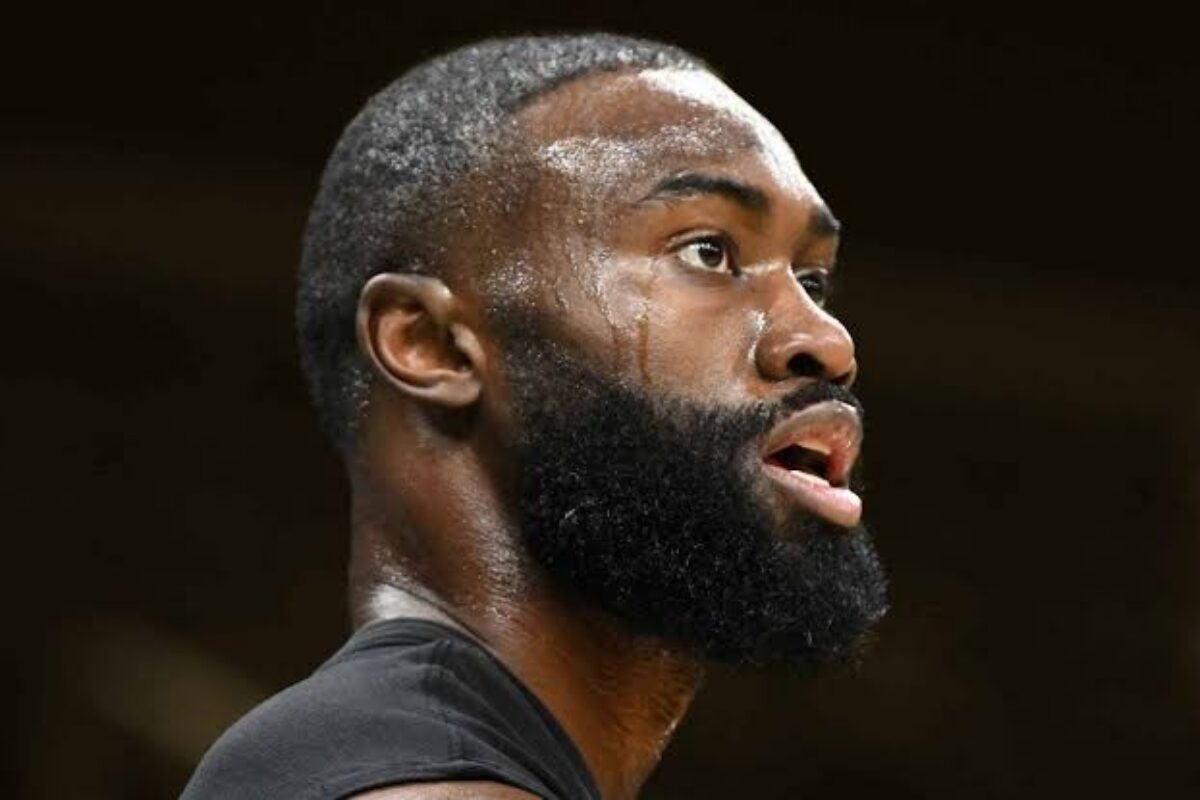
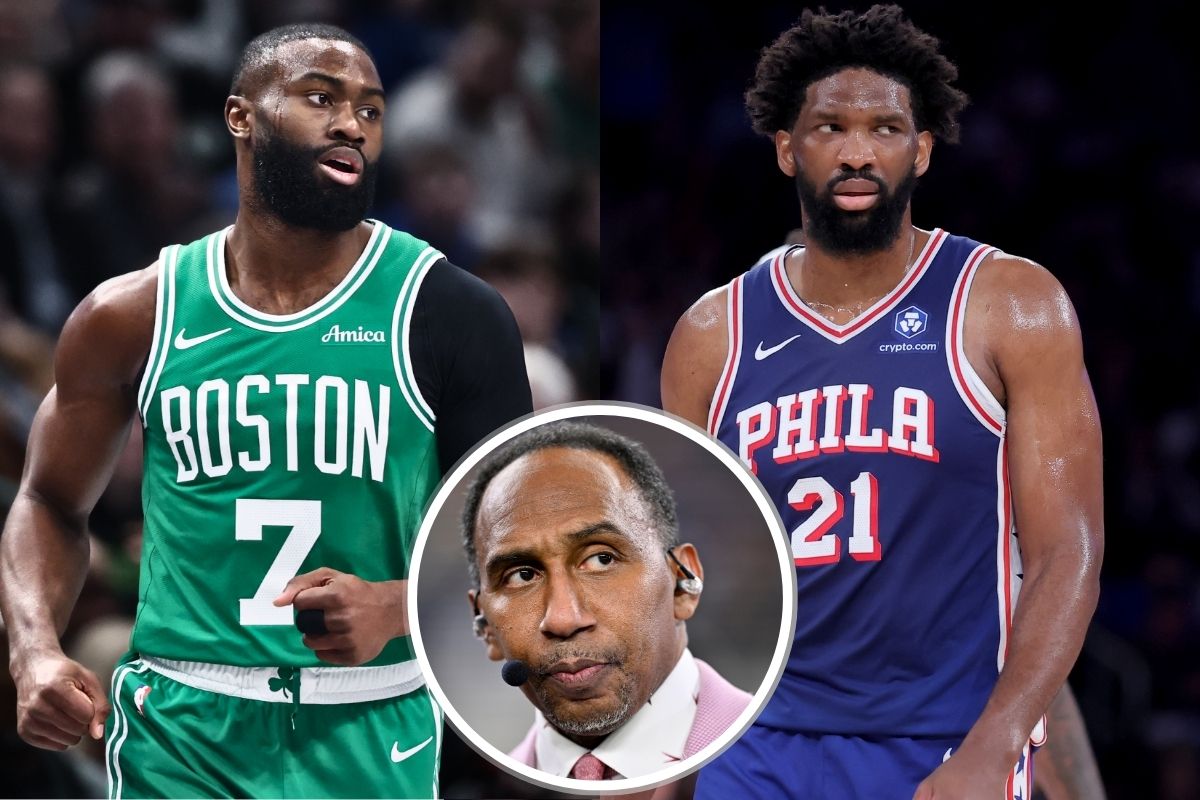
Brown, who has spent a decade in Boston, arrived as a cornerstone of the franchise. He helped the Celtics capture an NBA championship, earned a Finals MVP honor, and earned five all-star selections. The decision to move Brown marks a significant shift for Boston, especially given that he was coming off what many considered the best individual season of his career. The loss of Brown removes a primary outside scoring threat and a versatile two-way contributor from the lineup, and it immediately alters the Celtics’ salary cap dynamics and long-term planning.
On the other side, the 76ers acquire a veteran talent in exchange for the team’s burgeoning assets, adding a higher-cost, established player to a roster already featuring a dynamic core. Philadelphia now pairs Brown with Joel Embiid and Tyrese Maxey, creating a frontcourt-guard pairing that could unlock new offensive schemes and spacing options. The trade also introduces a forward with a championship pedigree and a proven ability to perform in big-game situations, which could accelerate the team’s competitive window.
Looking ahead, Boston’s immediate outlook appears to hinge on internal development and strategic acquisitions to maintain a competitive ceiling. With Brown out, the Celtics will need a refreshed supporting cast to pick up scoring and playmaking duties. A projected starting lineup in such a scenario might feature Payton Pritchard at point guard, Derrick White continuing as a perimeter and secondary playmaker, Paul George stepping into a primary scoring and networking role, Jayson Tatum serving as the primary offensive engine, and Neemias Queta anchoring the center position. This configuration emphasizes versatility, with George functioning as a veteran creator and a floor-spacer alongside Tatum’s scoring gravity.
However, there are concerns. Derrick White, while a solid defender and playmaker, would need to rediscover his outside shooting rhythm to keep the offense balanced. In the previous season, White faced struggles beyond the arc, posting a three-point percentage well below ideal levels in both the regular season and the playoffs. For Boston to remain a top-tier contender, White and the rest of the supporting cast must improve their shooting efficiency to complement Tatum’s primary scoring load and George’s veteran presence.
As for the Celtics’ frontcourt depth, the loss of Brown opens minutes that could be filled by a blend of younger players and veterans. Players such as Baylor Scheierman, Jordan Walsh, Ron Harper Jr., and Hugo Gonzalez are positioned to take on larger responsibilities, bringing youth, energy, and potential breakout appeal. In addition, center depth could be shaped by Neemias Queta, Luka Garza, and Mitchell Robinson, who bring different skill sets to the position, from rim protection to floor-stretching mobility. The combination of these players will help Boston address needs at wing scoring, playmaking, and frontcourt depth.
For Philadelphia, the acquisition signals a shift toward a more balanced, high-paced offensive system. Pairing Brown with Maxey creates a dual-guard dynamic that can pressure defenses from multiple angles and increase the team’s transition opportunities. Embiid remains the anchor in the middle, providing interior scoring, rim protection, and playmaking gravity. The added outside shooting and closing ability from Brown complements Embiid’s post presence, potentially opening up more space for Maxey to operate and for Georges to create off the ball.
In the broader landscape of the Eastern Conference, the move reshapes rival teams’ planning and matchups. Boston will need to adapt to new rotations, develop bench players, and pursue supplementary pieces that can contribute on both sides of the floor. Philadelphia, conversely, gains a robust core that, if cohesion and health align, could emerge as a formidable force capable of challenging title contenders. The next season will test these strategic shifts as teams jockey for playoff positioning and potential deep runs.
Overall, this trade marks a pivotal moment for both franchises. Boston shifts its long-term direction while remaining focused on competing at a high level, and Philadelphia leans into a more formidable lineup around its established stars. As the season unfolds, the impact of these changes will become clearer through on-court results, lineup experimentation, and how efficiently each team translates talent into sustained success.