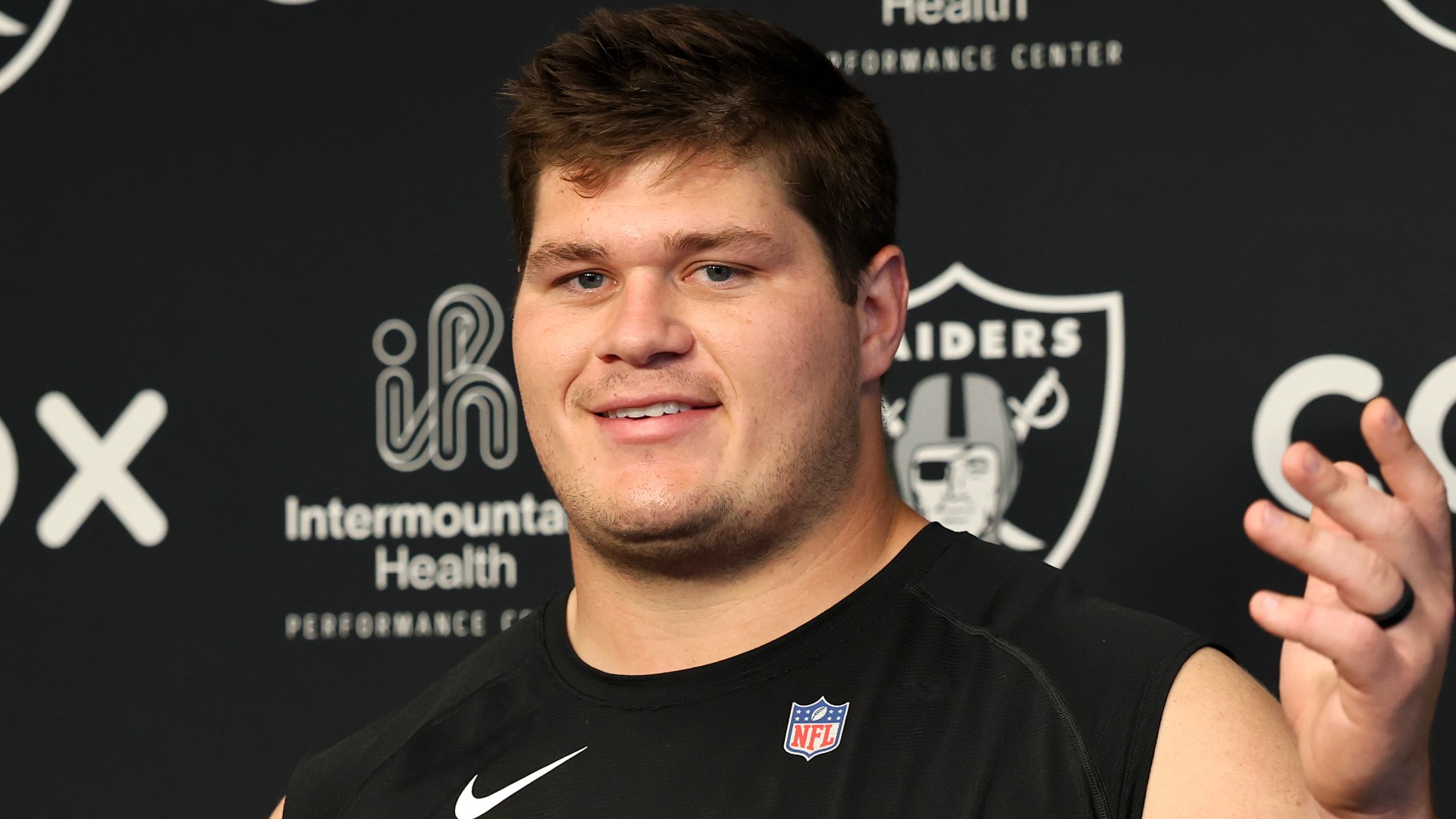
Entering his second season with Houston, Ingram joined the Texans in a trade with the Minnesota Vikings during the 2025 offseason in exchange for a sixth-round pick. He quickly settled into a starting role last season, appearing in 14 games for Houston. After showcasing his resilience and adaptability, Ingram agreed to a three-year contract worth $37.5 million this offseason, signaling the organization’s confidence in his development and long-term fit on the line.
Ingram has publicly expressed satisfaction with his situation in Houston and the direction of the team. He described the locker room atmosphere as energized and cohesive, highlighting the tight-knit nature of the group as a catalyst for a strong 2026 campaign. In interviews, he emphasized his belief in the Texans’ mission and his personal commitment to contributing at a high level. He also credited offensive line coach Cole Popovich for his growth, noting that the coaching staff’s guidance has been instrumental in his development.
“I love the Texans,” Ingram told regional media, describing the environment as having a different energy this year. He added that the structure and camaraderie within the organization have been vital to his readiness for the upcoming season. Reflecting on his career trajectory, Ingram said that Houston felt like the right place to advance his growth and that the move could be a turning point for his professional path.
On the field, Ingram remains unapologetically competitive. He conveyed a mindset focused on dominating his one-on-one matchups and maintaining a relentless edge whenever he steps onto the field. This competitive drive, coupled with his work ethic, is expected to bolster the Texans’ run-blocking identity and provide better protection for the quarterback as the team implements its offense with more consistency and page-mair alignment.
Ingram is confident that the Texans’ offensive line will be markedly improved compared with the previous season. He cited better communication, cohesion, and trust among the five starters as key drivers of improvement. The unit is tasked with delivering a more potent push in the running game and stabilizing the interior protection for the passing attack, led by quarterback C.J. Stroud. With Ingram serving as a cornerstone, the Texans aim to create a more balanced and efficient offense that can sustain drives and reduce pressure on the quarterback.
The decision to re-sign Ingram drew mixed reactions across the league and among fans. Some observers questioned whether the contract aligned with his performance profile, especially given scrutiny over pass protection and consistency in certain situations during his Minnesota tenure. Critics argued that the Texans paid a premium for a player who had shown potential but had yet to demonstrate complete domination as a pass protector. Others cautioned that the price tag should be weighed against the overall value a durable, versatile guard can bring to a cohesive line.
Supporters of the move point to Ingram’s growth curve and his fit within Houston’s blocking schemes. They note that a proactive coaching staff and a stable environment can unlock a player’s ceiling and translate into improved efficiency in both run and pass protection. For the Texans, keeping Ingram off the free-agent market and cultivating continuity up front are viewed as strategic advantages as the team builds around a retooled offense and a young signal-caller in Stroud.
Looking ahead, the Texans’ line remains a critical area to monitor. Improvement hinges on technique refinement, scheme mastery, and sustained chemistry among the O-line group. If Ingram and his classmates can carry the momentum into training camp and preseason, Houston could establish a stronger foundation for the offense, enabling more explosive plays and better protection for their quarterback.
Ingram’s journey with the Texans is a case study in how mid-career moves can redefine a player’s trajectory. His willingness to embrace a new environment, commit to the team’s culture, and focus on growth aligns with a broader NFL trend: players who land in stable, well-coached systems tend to maximize their potential and contribute more consistently over time. As the 2026 season unfolds, all eyes will be on the Texans’ offensive line, with Ed Ingram at the center of that scrutiny and expectation.