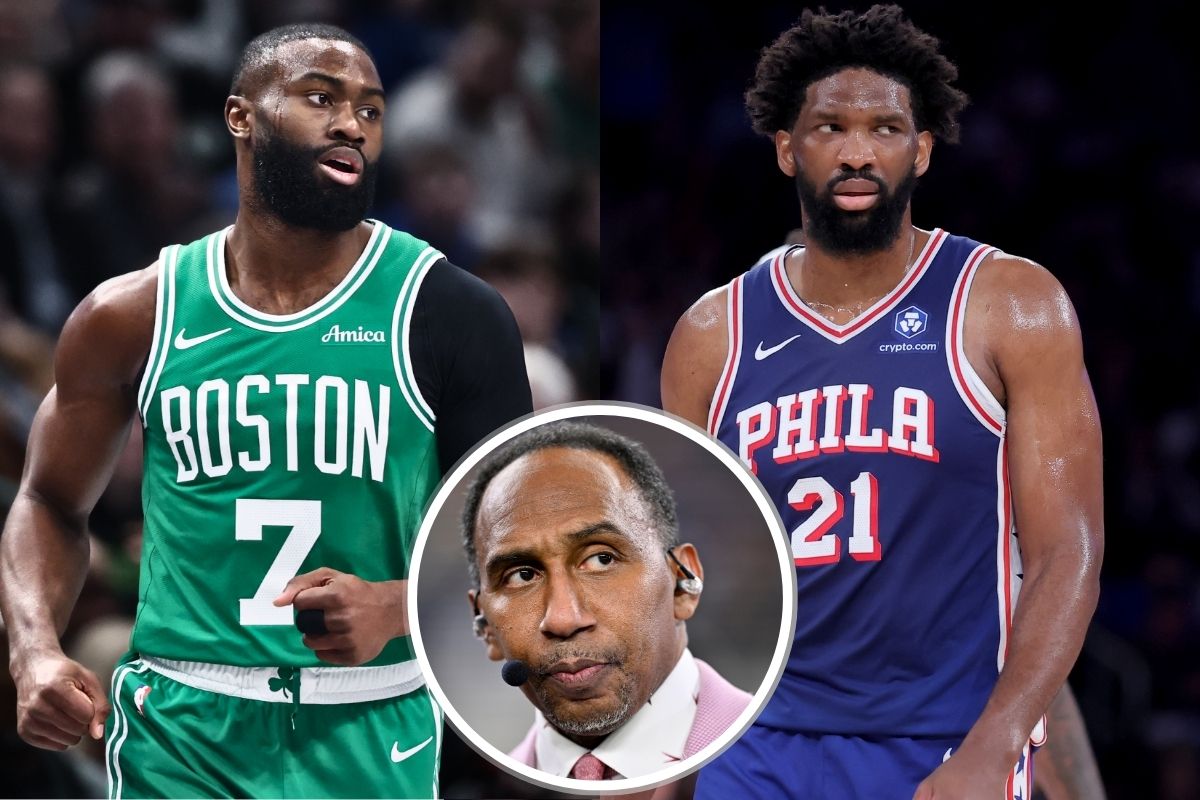
The trade originated from a report that sent shockwaves through the league, revealing that the Celtics were prepared to part with Brown in a package that included two first-round picks and two second-round picks, in addition to Paul George. The immediate reaction from Philadelphia highlighted the team’s intent to accelerate their championship pursuit by acquiring a versatile, high-scoring wing in Brown, who has long been a key figure in Boston’s offense.
Shifting the roster marks a dramatic departure from Boston’s recent championship core, which featured the pairing of Jayson Tatum and Brown. Brown had recently shouldered a heavy offensive load, especially during a season when Tatum dealt with an Achilles injury in the postseason. In that context, Brown posted career-best averages, underscoring his value and why teams valued him so highly in trade discussions.
Despite Brown’s standout production, there were indications he felt underappreciated within the Celtics organization, with whispers that his name dominated trade chatter around the league. The trade therefore represents not only a personnel move but a strategic decision by Boston to reconfigure its cap space and draft capital as it seeks a different path forward.
For Boston, the deal brings in an All-Star in Paul George, paired with a sizable draft package that includes a protected first-round pick in 2028 with a favorable swap option, an unprotected first-round pick in 2031, and two second-round selections. This package gives the Celtics young talent and future flexibility as they rebuild around George, who remains a proven scorer and two-way contributor.
On the flip side, the 76ers acquire Jaylen Brown, adding a dynamic perimeter threat to a core already featuring Joel Embiid and Tyrese Maxey. Brown’s arrival is seen as a major upgrade in Philadelphia, potentially creating a formidable, multi-dimensional offensive unit. The move complements Embiid’s presence in the frontcourt and Maxey’s ascent as a lead guard, positioning the Sixers to pursue deep postseason runs.
The broader implications of the swap extend beyond individual performances. By redirecting Brown to Philadelphia and landing George in Boston, the trade reshapes the conference’s competitive hierarchy. For the Sixers, Brown represents a premium talent who can contribute as a primary scorer and playmaker, while also providing defensive versatility. For the Celtics, George adds veteran experience and two-way impact, albeit at a different stage of his career, with the team accumulating draft capital to fuel future development.
In the wake of the trade, fan and analyst discussions centered on how each team would maximize the new roster structures. Questions focus on fit, rotation adjustments, and how the expanded offensive toolkit will interact with each coach’s system. The move is also viewed through the lens of leadership and culture, as veteran players often influence locker-room dynamics and championship aspirations.
As the 2026 season approaches, both franchises will embark on training camp with clear, new expectations. The Sixers aim to capitalize on Brown’s scoring efficiency and athleticism to complement Embiid’s interior dominance and Maxey’s playmaking ability. The Celtics, meanwhile, will look to integrate George into a lineup that already features high-skill forwards and a youthful core, with the hope that a refreshed supporting cast can propel them back into deep playoff contention.
This trade marks a watershed moment in the ongoing evolution of both teams. With Brown anchoring Philadelphia’s offense and George providing veteran leadership in Boston, the exchange signals a broader strategy—one that prioritizes star-level talent, long-term draft capital, and the flexibility to构ure championship-contending rosters in the evolving landscape of the NBA. The season ahead promises to be a compelling chapter in the storied rivalry between the two franchises, with fans eagerly watching how these new dynamics unfold on the court.