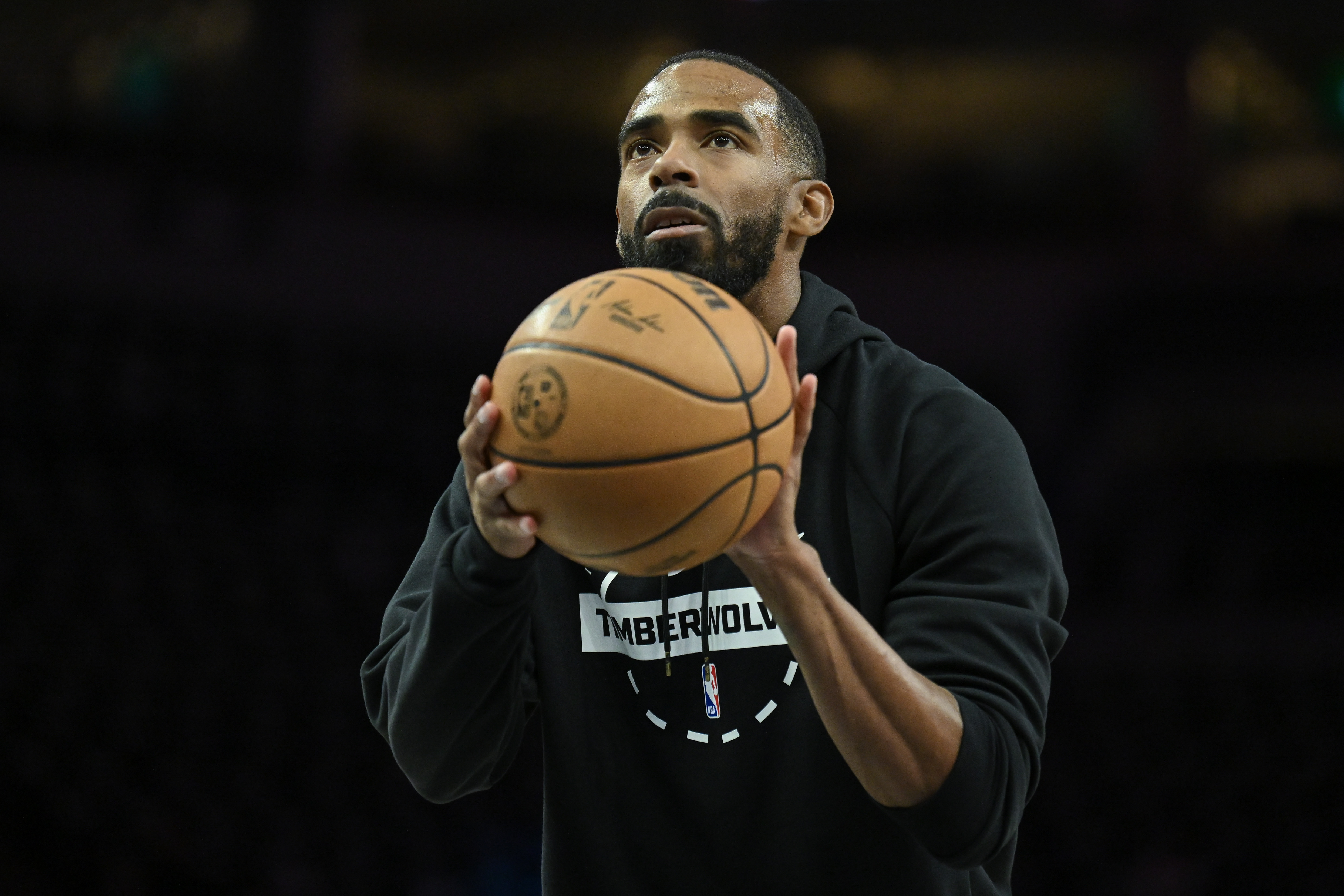
Landry Shamet’s four-year, $24 million contract to remain with the Knicks is the headline deal of this period. The agreement, which runs through 2030, already fills the club’s payroll to 11 players under contract, leaving limited room for further moves. Shamet’s return shores up the backcourt after a season in which he emerged as a key sharpshooter. With Jalen Brunson anchoring the lineup and Shamet re-signed, the Knicks have a solid group complemented by Jose Alvarado’s long-term commitment and a pair of guards, Miles McBride and Tyler Kolek, who are also in the mix.
The cap situation is tight. New York aims to stay under the league’s second luxury tax apron, which constrains any additional guard additions who would largely serve as rotation players rather than primary contributors. The current depth chart already includes multiple guards competing for minutes behind a set rotation, making another veteran guard a difficult fit without restructuring other contracts or considering further cap moves.
The timing of Clarkson’s potential return became more complicated after Shamet’s deal. Before the Shamet agreement, there was some speculation from NBA insiders about a possible reunion with Clarkson, who had been viewed as a strong reserve option. However, the new payroll reality and the established backcourt depth have reduced the likelihood of bringing Clarkson back, at least under the current terms and cap constraints.
Clarkson’s performance in recent seasons has been a factor in evaluating his fit. He posted career-lows across several statistical categories last year, averaging under nine points per game and playing fewer than 18 minutes per contest. His role fluctuated significantly with Shamet assuming a larger share of backcourt minutes, including a stretch in which he was DNPed in January and saw his playing time dwindle further as the playoffs approached. In the Finals, Clarkson did not play a central role, while Shamet’s presence helped drive the Knicks to the championship series.
Comparisons to Clarkson’s opposing performances in the Finals offer a sense of the evolving value of a sixth or seventh guard on a title-contending roster. For example, a recent Finals opponent cited Clarkson as among the league’s better reserve players, underscoring the high level of depth available in top teams.
With Shamet secured and the guard rotation effectively defined, the prospect of Clarkson returning to New York has become increasingly unlikely under the current constraints. The combination of a full backcourt and a well-defined rotation makes a reunion feel less feasible than it did in the weeks prior to Shamet’s signing.
In summary, the Knicks’ recent moves, headlined by Landry Shamet’s four-year deal, solidify the backcourt and tighten the cap picture. The team now faces a narrow path to adding more guards unless a favorable contract adjustment or another strategic shift occurs. The current roster construction emphasizes a strong starting backcourt with depth behind them, while Clarkson’s role appears to be shrinking in the current configuration. For now, the Knicks appear committed to their established rotation, with limited room for additional guard signings without significant cap maneuvers.