One area under consideration is the attack’s creative engine. If Martin Odegaard were to depart, the team would likely seek a new attacking midfielder who can craft chances, link play, and unlock compact defenses. The Norwegian captain’s role has been pivotal in driving Arsenal’s transitions from midfield to the frontline, and a drop-in replacement with vision, technical ability, and goal threat would help maintain the team’s creative tempo.
Additionally, Arsenal are weighing the potential need for a left winger. The futures of Gabriel Martinelli and Leandro Trossard remain a topic of discussion among fans and pundits, as both players have contributed important moments for the Gunners. A reliable left-sided specialist could provide balance, especially in systems that rely on inverted wingers or wide forwards who cut inside to shoot or create.
Interest in wide players across Europe continues to surface, with several names circulating in transfer chatter. Among the rumored targets is a high-profile English attacker whose availability could hinge on various factors this summer. While speculation is common in the off-season, Arsenal will want to identify options who can adapt to their pressing, fast-tempo style and contribute both goals and assists.
Meanwhile, veteran defender Rio Ferdinand recently offered his assessment of a potential England-duo partnership that has drawn attention for its potential explosive impact at both club and international levels. While Ferdinand’s comments center on the collective capabilities of Rashford and Saka, they underscore how a duo with complementary strengths could overwhelm defenses when deployed together.
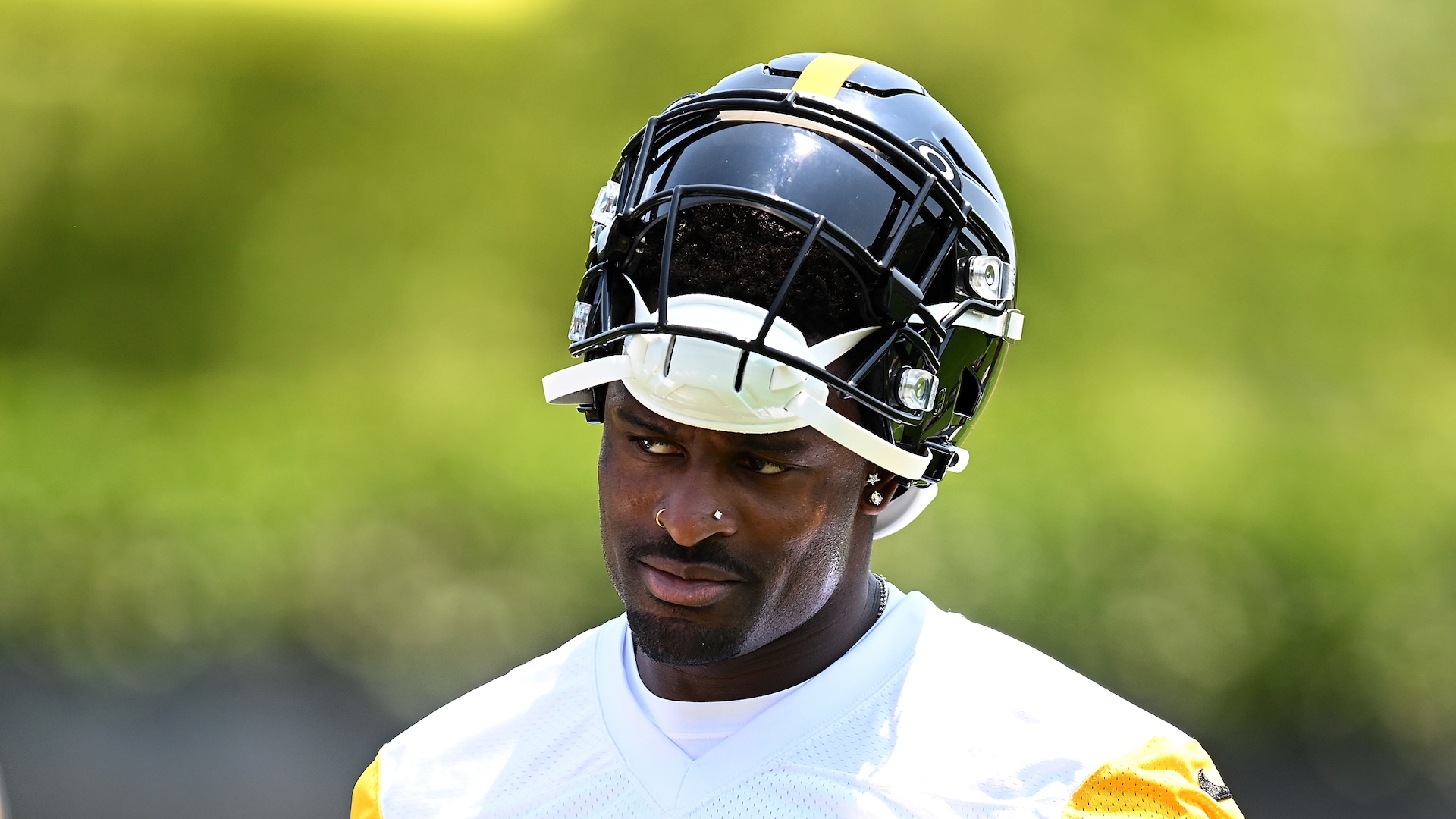
The question of whether Arsenal should pursue Marcus Rashford has been a frequent topic in transfer discussions. Rashford, a dynamic forward with the ability to play across the front line, possesses pace, dribbling prowess, and an eye for goal that can tilt matches in an instant. His versatility means he can contribute as a left winger, a central striker, or a support striker in a front-three arrangement. In theory, a player of Rashford’s caliber could enhance Arsenal’s attacking options considerably.
However, there are important considerations. Consistency has often been cited as a concern with Rashford’s form fluctuating across seasons. For Arsenal, an inconsistent output would not align with the level of reliability expected from a top-four challenger and potential title contender. In order to justify a significant investment, the club would need assurances that Rashford could deliver sustained performances, maintain fitness, and integrate smoothly with the existing attacking core.
From a tactical perspective, integrating a marquee winger like Rashford would require thoughtful planning. Arsenal have built a system that thrives on quick ball movement, overlapping runs, and swift decision-making in the final third. Any new signing would need to gel with Odegaard’s playmaking, the movement of Martinelli or Trossard, and the midfield’s pressing structure. The coaching staff would also weigh how a new attacker fits into Arsenal’s pressing scheme, defensive responsibilities, and rotation plans across multiple competitions.
Beyond individual signings, Arsenal’s transfer strategy may emphasize depth and competition for places. A successful window could involve identifying a club-homegrown option who can provide consistency when injuries or fixture congestion demand rotation. This approach helps preserve performance levels across the squad and reduces overreliance on a single talisman.
In evaluating potential targets, scouts would likely prioritize players who can contribute in multiple ways: scoring goals, creating chances, and maintaining high work-rate in both attack and defense. A balance between age, experience, and potential resale value could also influence decisions, ensuring that the squad remains competitive in the short term while preserving long-term flexibility.
For supporters, the key question remains: which player profiles best complement Arsenal’s existing spine? Odegaard’s successors, whether in the central attacking midfield role or on the left flank, must offer technical quality, decision-making under pressure, and the ability to contribute in big matches. The left-wing position, in particular, demands a player who can stretch defenses, deliver precision crosses or cuts inside to shoot, and link with the midfield quickly.
As the transfer window unfolds, Arsenal will need to weigh both proven performers and rising talents. The objective is clear: strengthen the attack without compromising balance across the team. With the 2026 World Cup featuring prominently in the calendar, national-team form and fitness will also factor into signing decisions, as players return with varying workloads and expectations.
In summary, Arsenal’s upcoming moves in attack will focus on adding creativity, width, and reliability. Whether through a new attacking midfielder, a left winger, or strategic acquisitions on the wings, the goal is to sustain a dynamic and adaptable frontline capable of competing on domestic and European fronts. The window promises to be pivotal for Arsenal as they seek to convert potential into tangible silverware in the seasons ahead.