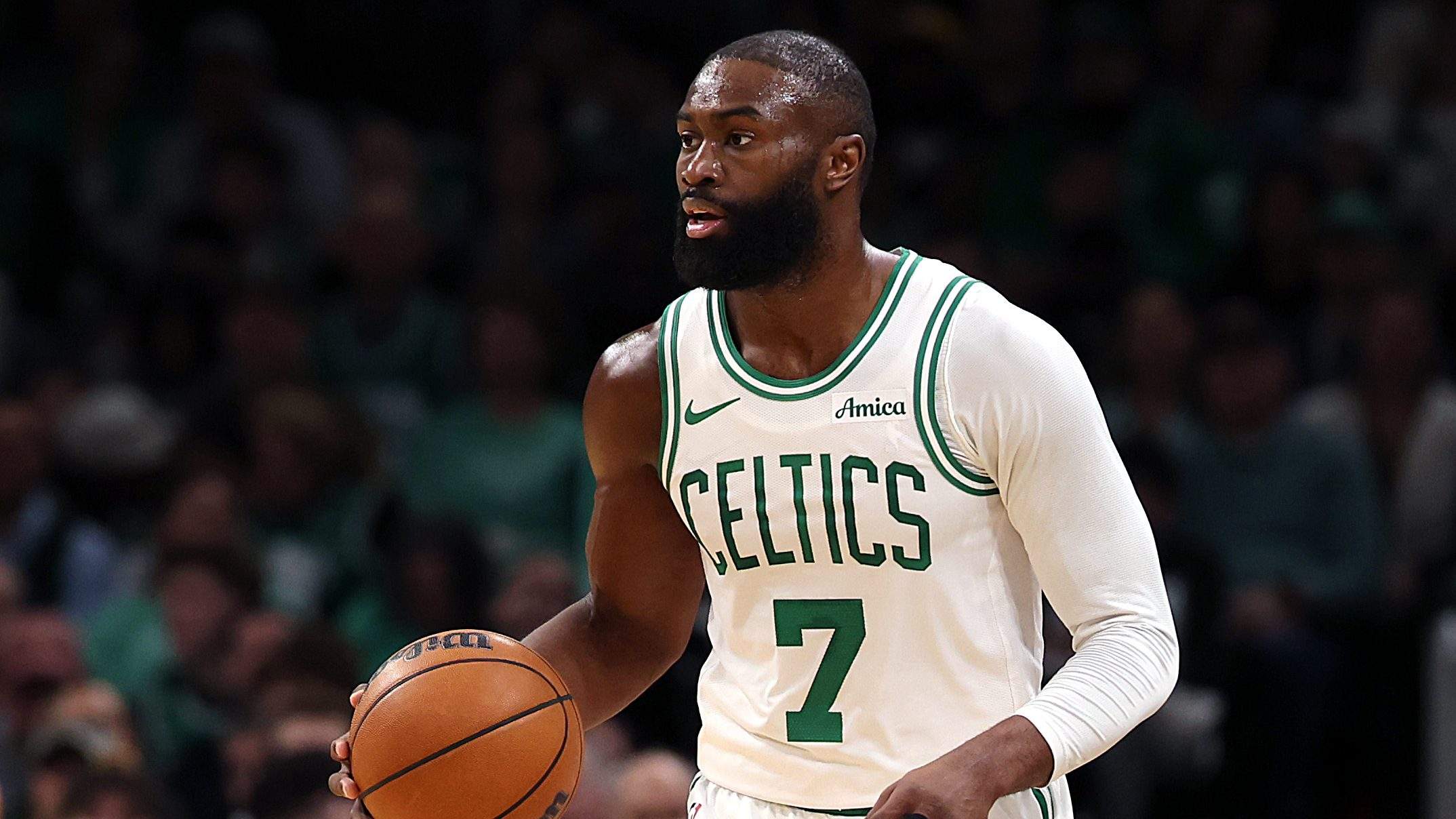
In his final college campaign, Ross averaged 14.3 points per game, complemented by 4.2 rebounds and 3.4 assists over 32 appearances. His performance also featured 2.3 steals per game, underscoring his reputation as a disruptive defender on the perimeter. From a shooting perspective, Ross connected on 42.1 percent of his field-goal attempts, while he knocked down 29.5 percent of his attempts from three-point range. These figures illustrate a player who can contribute in multiple facets of the game, especially on the defensive end, where he consistently applied pressure and created turnover opportunities.
Following the Draft, news emerged that Ross agreed to a contract with an NBA franchise on an Exhibit-10 deal. Exhibit-10 contracts are often used to secure a roster spot at training camp and provide a pathway for players to earn a spot on the parent roster or land with a team’s G League affiliate. In Ross’s case, the reported agreement positioned him with a team known for prioritizing versatile guard play and defensive tenacity. This path can be a pivotal step for players who excel on the defensive end and bring energy and intensity to a practice setting and late-game situations.
Ross is widely regarded for his defense-first approach and his ability to impact the game without requiring a high volume of shots. His blend of size, length, and instincts enables him to switching onto multiple positions and contesting shots effectively. Offensively, he can contribute as a secondary ball-handler and a cutter, providing timely scoring when defenses overcommit to more prominent scorers. His development as a facilitator and decision-maker will be closely watched, as teams value guards who can operate within team-oriented offensive schemes and make the right plays at the right times.
The narrative surrounding Ross emphasizes his readiness to compete for a spot within a professional system that rewards hustle and scene-setting defense. While his three-point shooting is a work in progress, his ability to pressure opposing guards, disrupt ball handlers, and generate turnovers can help a team maximize its defensive versatility. For coaches seeking a guard who can glue a unit together with effort and communication, Ross’s profile aligns with those needs.
As Ross transitions into the professional arena, he will face the usual early-career hurdles: adjusting to higher-level athleticism, refining decision-making under pressure, and showcasing consistency across practices and opportunities in games. The Exhibit-10 arrangement offers him a concrete pathway to prove himself during training camp, with the potential to secure a standard contract or a call-up to the G League for further development. His performance will be evaluated not only by scoring efficiency but also by how effectively he translates his defensive impact into winning plays and momentum shifts during critical moments.
Looking ahead, the focus for Ross should be on maximizing his strengths while continuing to develop his shooting consistency, especially from beyond the arc. If he can elevate his outside shooting to a more reliable level, he will present an even more dangerous two-way profile. Additionally, sharpening his playmaking instincts—such as decision-making in pick-and-roll action and off-ball movement—will help him contribute more prominently on offense without compromising his energy on the other end.
In summary, Chase Ross’s college season demonstrated a capacity to influence games through defense, rebounding, and playmaking. The Exhibit-10 signing marks the next chapter in his professional journey, offering an avenue to showcase his tools in a competitive environment and pursue opportunities within the NBA ecosystem. If he continues to grow his shooting and decision-making, Ross could become a valuable depth piece for teams prioritizing perimeter defense and versatile guard play.