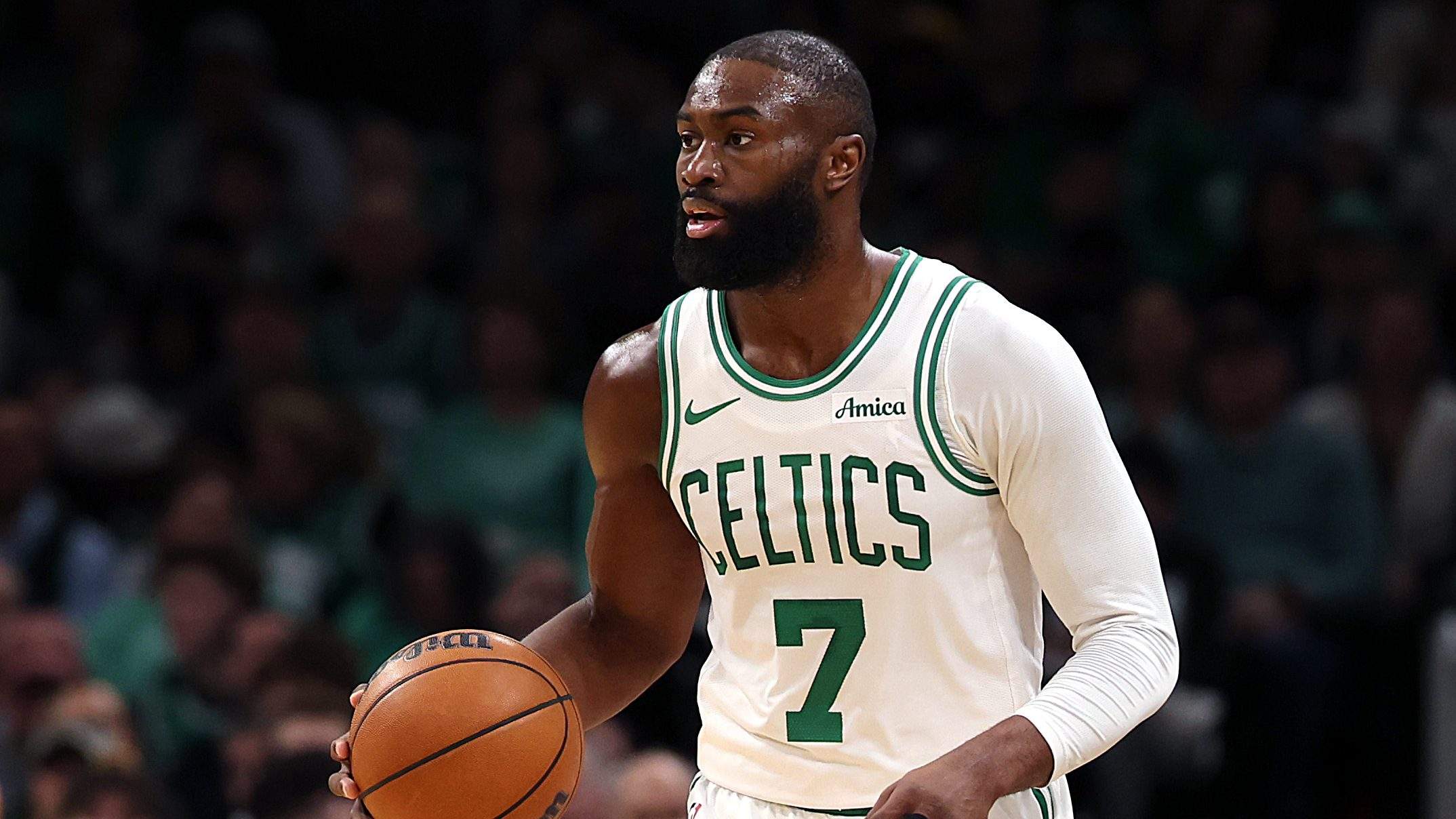
Context for the trade includes Minnesota’s recent Cercle of events. The Timberwolves had just completed a three-team transaction that opened cap space, enabling them to pursue longer-term extensions for key players, including guard Ayo Dosunmu, who secured a five-year, $112 million extension as part of that overall maneuver. The move also came after Karl-Anthony Towns left Minnesota to win a championship with another franchise, a development that influenced how the organization assessed its core and its next steps.
With the Western Conference continually loaded—featuring perennial contenders and rising teams—the Timberwolves are aiming to construct a high-powered offensive unit that can compete with the league’s elite. The new core centers on the pairing of Edwards and Ball, augmented by Dosunmu’s playmaking and a complementary supporting cast. The strategic objective is clear: push Minnesota into the upper tier of the conference and push toward a sustained championship window.
The potential pairing of Edwards and Ball carries a wide range of outcomes. LaMelo Ball is known for his prolific scoring and playmaking, often taking a high volume of three-point attempts. Edwards, in turn, is a dynamic two-way wing whose scoring and leadership have become the team’s backbone. The question for Minnesota becomes how these two young stars complement each other on both ends of the floor, and whether the roster around them can provide the necessary spacing, defense, and depth to keep up with the league’s best.
From a leadership perspective, Edwards is expected to play a pivotal role in guiding the team’s culture and on-court decision-making as Ball navigates the NBA at a high pace. Ball’s numbers from the previous season showcased his ability to contribute across points, assists, and rebounds, while also providing defense and playmaking versatility. A balanced scoring attack—featuring Ball’s scoring bursts and Edwards’ reliability on the wing—could create the kind of offensive dynamism that defenses struggle to counter.
The Hornets, meanwhile, are recalibrating their roster as they rebuild around a different horizon. Ball’s departure marks a new chapter for Charlotte as they accumulate future assets that could fuel a longer-term rebuild or be leveraged in further trades. In the wake of Ball’s departure, the Hornets will look to maximize growth opportunities for younger players and continue their development trajectory in a league that rewards high-upside young guards.
Looking ahead, the Timberwolves’ projected starting lineup is shaping up as a balanced, versatile unit designed to maximize perimeter shooting, quick ball movement, and interior defense. With Ball orchestrating the offense alongside Edwards, the team would also deploy a strong defensive presence on the wings and in the paint, anchored by a rim protector who can anchor the defense and protect the paint. The frontcourt, while still a topic of discussion around sizing and depth, will be a crucial factor as Minnesota tries to balance offense with the rim protection and rebounding required to contend in the Western Conference.
One notable strategic note is the team’s available assets and cap flexibility. The organization continues to explore potential avenues to add a veteran presence or a complementary star through free agency or mid-level exceptions. The non-taxpayer full mid-level exception remains a valuable tool for adding talent without compromising the long-term financial structure, offering a path to bolster the bench and provide more lineup versatility.
As with any major trade, there are both upside and risk considerations. The Edwards-Ball pairing could deliver elite offensive output, high-scoring games, and a stretch of competitive success that elevates Minnesota’s status within the conference. Conversely, the dynamic duo’s success depends on how well they can share the ball, adapt defensively, and integrate with the supporting cast. If the roster around them can provide shooting, defense, and experience, the Timberwolves could solidify themselves as a formidable challenger in the West. If not, the experiment could face early scrutiny as the team looks to maximize its potential and translate it into deep playoff runs.
Overall, Minnesota’s strategy reflects a willingness to take calculated risks in pursuit of a higher ceiling. The combination of Anthony Edwards’ two-way impact and LaMelo Ball’s playmaking and scoring ability creates an exciting, high-variance dynamic that could reshape the Timberwolves’ trajectory in the coming seasons. The success of this approach will hinge on how well Ball adapts to the playoff environment, how Edwards evolves as a leader, and how effectively the club can assemble complementary pieces to sustain elite offensive production and solid defensive continuity.