Dallas traded No. 12, 177, and 180 to Miami to land Downs at No. 11, a payoff many saw as justified by his top-ten projection. The Cowboys later traded No. 20 to Philadelphia, dropping to No. 23 and adding selections at Nos. 114 and 137, then remaining in control to draft UCF edge Malachi Lawrence as one of the remaining top pass-rush prospects.
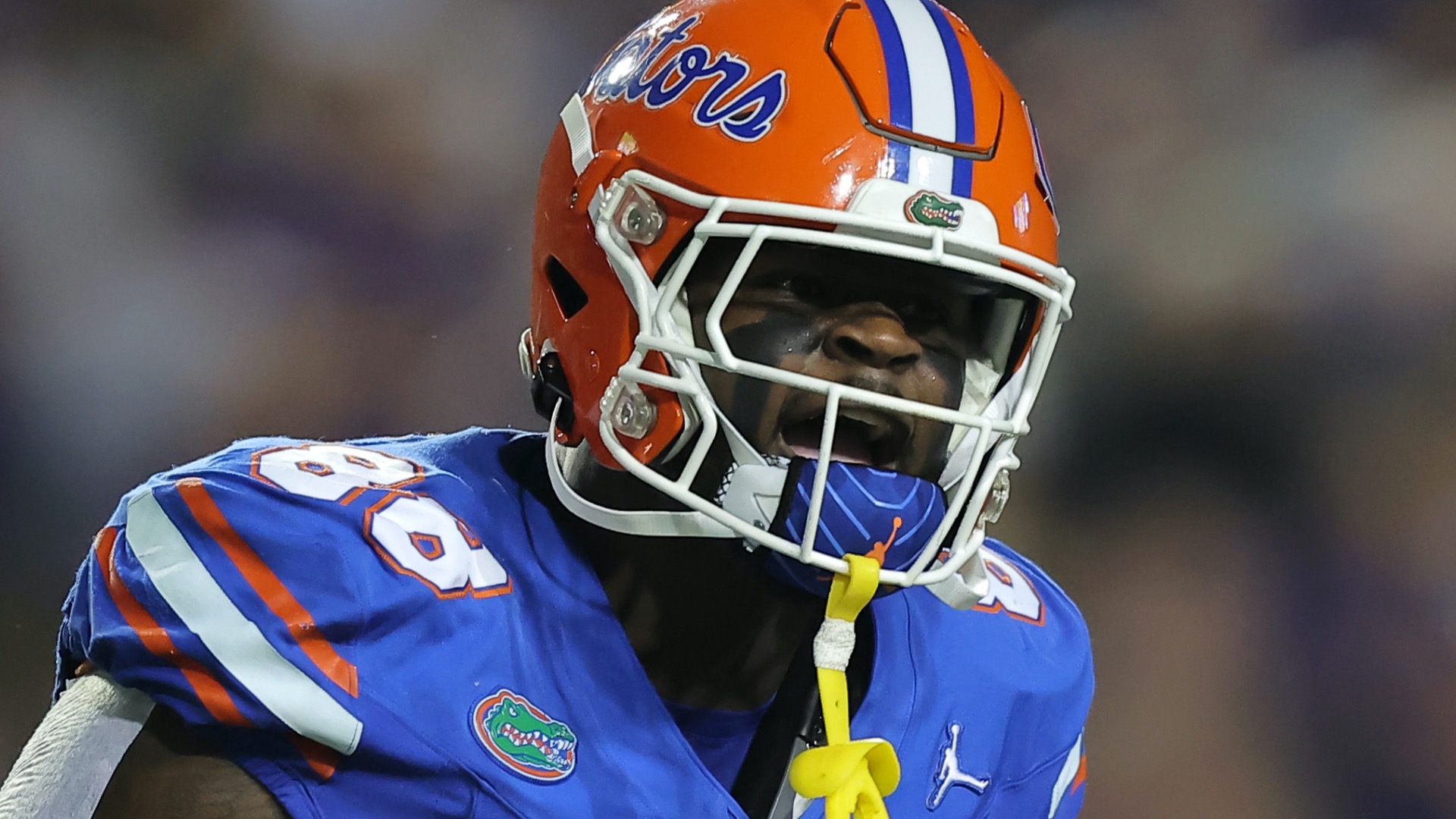
The New York Jets opened with a bold trio of first-round moves, selecting David Bailey at No. 2, widely regarded as the top pure EDGE in the class. They followed with Kenyon Sadiq at No. 16, a high-upside tight end upgrade, and then traded back into the back end of the first at No. 30 to land Indiana receiver Omar Cooper Jr., signaling a clear plan to revamp their front seven and receiving corps.
The Tampa Bay Buccaneers capitalized on gaps in the board by adding Rueben Bain Jr., a disruptive in-state edge rusher, without brokered trades up the board. Bain’s selection gives Tampa Bay an immediate boost on the edge and a potential long-term cornerstone if he reaches projected potential.
Minnesota faced scrutiny for selecting Caleb Banks at No. 20, a move that raised eyebrows given concerns about his surgically repaired left foot. Banks carries significant upside, but the pick represents a high-risk, high-reward decision that will depend on his health and time to return to form.
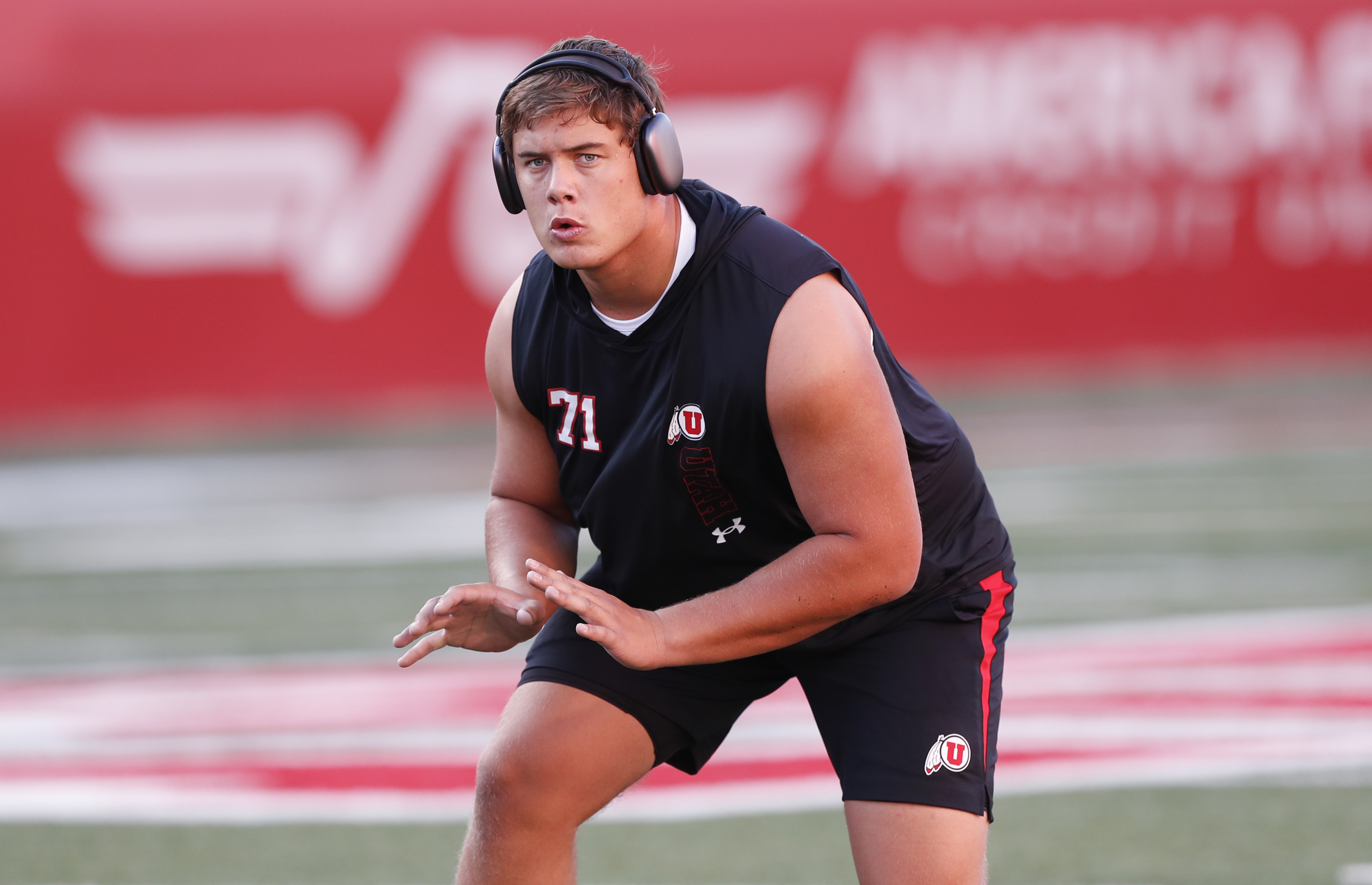
New York’s other major early picks drew questions as well, with Arvell Reese at No. 5 and Francis Mauigoa at No. 10. Reese’s position flexibility as an EDGE/LB hybrid overlapped with existing acreage on the roster, and Mauigoa’s high upside at a traditional line position did little to quell concerns about fit and addressing more immediate needs, particularly in the secondary.
As the weekend advances, these first-round decisions will be measured by their impact on team depth, positional value, and long-term ceiling, particularly at edge, tight end, and offensive-line spots. The 2026 class is already shaping up to test front offices’ ability to balance immediate needs with future upside.