Stafford, 38, remains the Rams’ starting quarterback for the 2026-27 season and was recently named NFL MVP, but questions about his longevity linger as he continues to compete at a high level. The Rams’ selection of Simpson is framed as a future-focused move that pairs immediate competitiveness with long-range planning.
Simpson is widely viewed as a potential successor to Stafford. The plan, as outlined by the Rams, is for Simpson to sit behind the veteran signal-caller, learn the process of the NFL, and develop within a strong organizational framework before taking on a larger role.
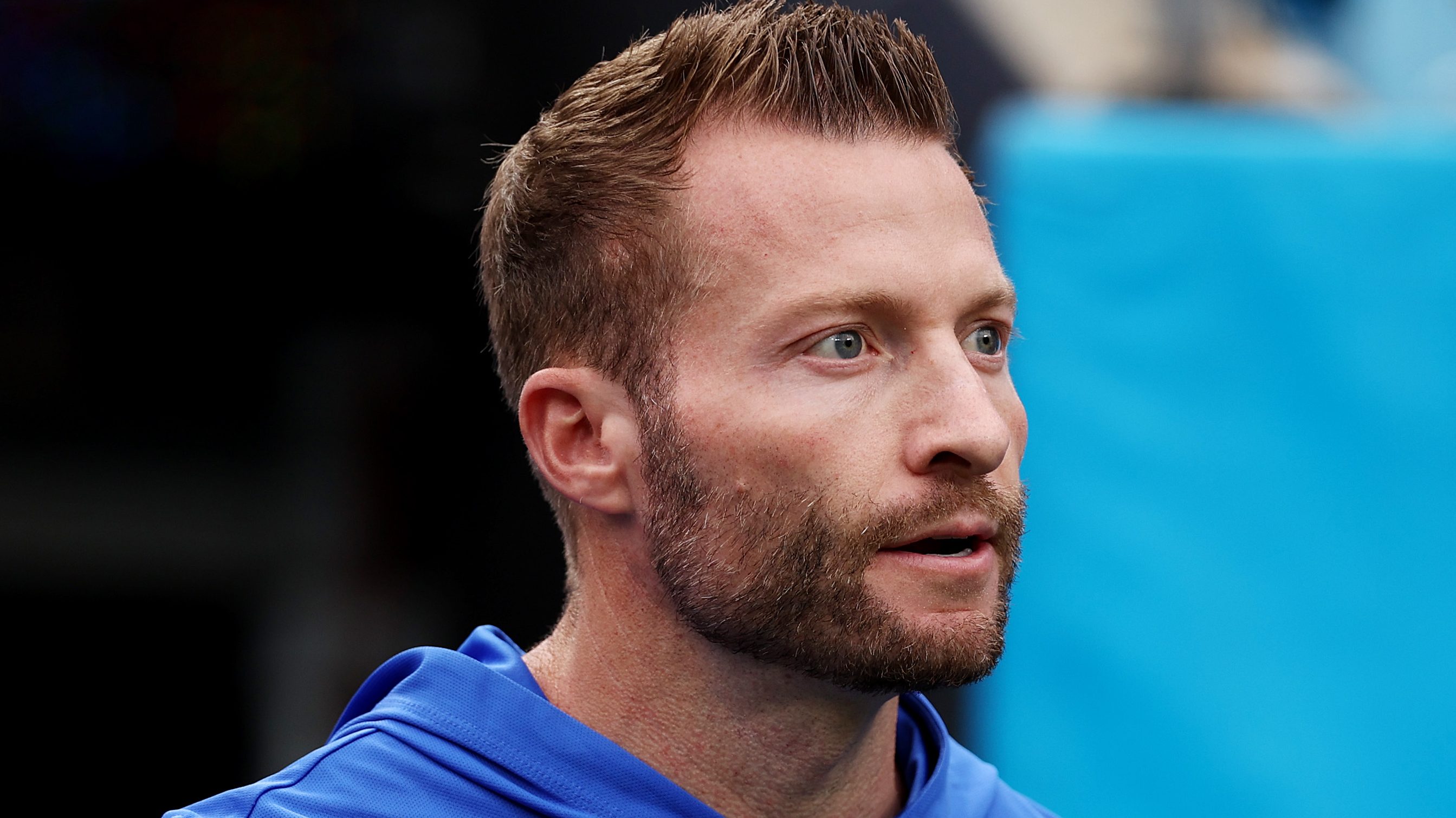
The pick reinforces the Rams’ reputation as a well-run program under head coach Sean McVay, who has guided the team to a Super Bowl title and consistently kept them in playoff contention. The move represents a measured development strategy rather than a quick-fix approach.
For Los Angeles, Simpson’s arrival provides a clear long-term quarterback path without sacrificing current competitiveness, aligning with the team’s ongoing emphasis on sustainable success and strong quarterback development.
As Simpson begins his Rams tenure behind Stafford, both players face different timelines: Stafford’s continued MVP-caliber play in the near term, and Simpson’s projected progression toward a potential starting role in the seasons ahead, shaping the Rams’ quarterback evolution in the near future.