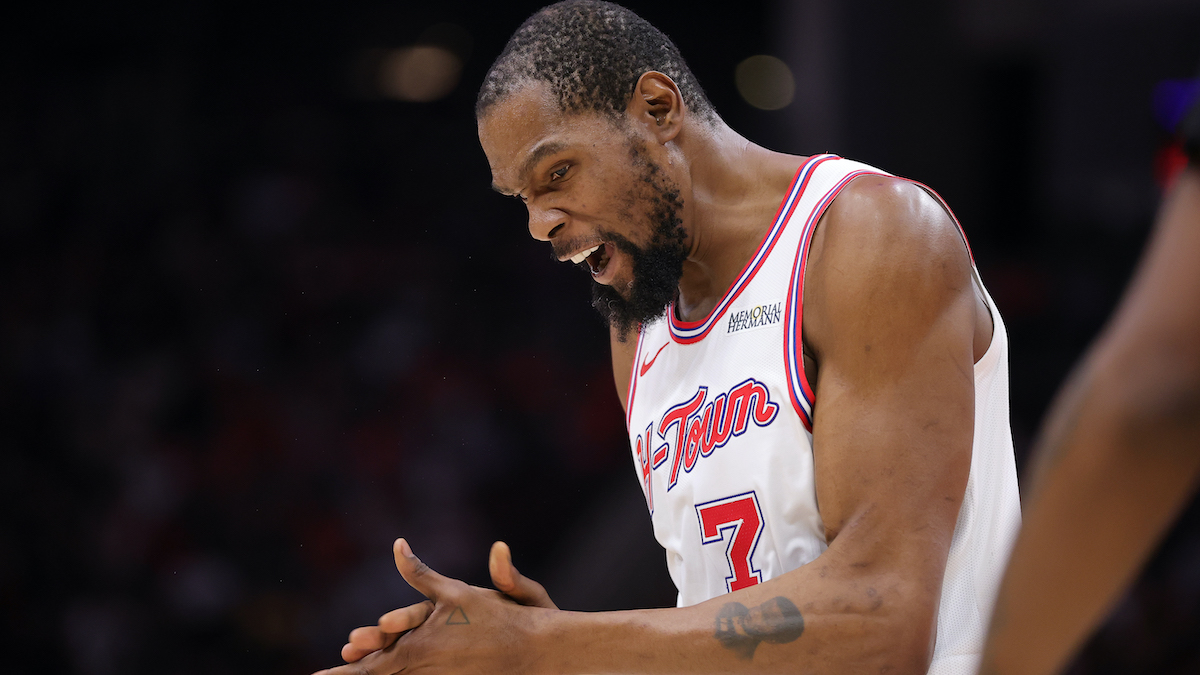
Houston’s fate in Game 1 underscored Durant’s absence. The Rockets fell 107-98 after his late scratch, lacking a true 20-point scorer and shooting just 37.6% from the field. Los Angeles benefited from a balanced attack, with Luke Kennard delivering 27 points and LeBron James contributing 19 points and 13 assists.
Windhorst’s point goes beyond the timing of the absence. He highlighted that Durant has played through pain before and does not typically sit playoff games, so a decision to withdraw signals a meaningful concern about the knee and raises the seriousness of the update for Houston.
The injury timeline supports that dichotomy. Durant appeared on the official injury report as questionable with a right knee contusion before being downgraded to out for Game 1, with reports suggesting the injury arose during practice. The Rockets remain optimistic it won’t be a long-term issue, but the early setback adds weight to the situation.
Two tracks now define Houston’s outlook: a best-case, short-term pain scenario where Durant returns quickly, and a more troubling possibility that his availability could be limited for an extended stretch. Windhorst’s characterization of the update as “worrisome” reflects the latter concern without implying a catastrophe.
Without Durant, the Rockets’ offense looked different and struggled to convert chances into clean scoring. No Houston player topped 19 points, and most players shot below 50% from the floor, illustrating the impact of losing a reliable half-court scorer who can steady possessions.
Looking ahead to Game 2, the key question remains Durant’s health and readiness. Pre-game warmups are a major checkpoint, and while ESPN’s reporting indicated the knee contusion isn’t viewed as a major long-term issue, the margin for error is small. If Durant cannot go or is limited, the series dynamics and Houston’s postseason trajectory shift significantly.