“If you aren’t using [AI], you’re already behind,” Lynch said, noting that the technology can generate useful ideas without requiring expert-level expertise. He added that the team’s location at the innovation “epicenter” helps them take advantage of AI, and that other teams are likely using it in some form.
As the Niners balance a veteran-heavy roster with developing talent, the draft could shape long-term options to replace aging stars such as Trent Williams. The team’s strategy includes considering younger tackles who could grow into prominent roles, potentially aided by AI-driven scouting and analysis.
A mock draft published in early April projected Alabama tackle Kadyn Proctor to San Francisco, presenting him as a future left tackle for a Shanahan system. Proctor stands 6’7” and around 350 pounds, with athletic upside, strong run-blocking ability, and excellent size for the position, although he still has technique work to address at a young age.
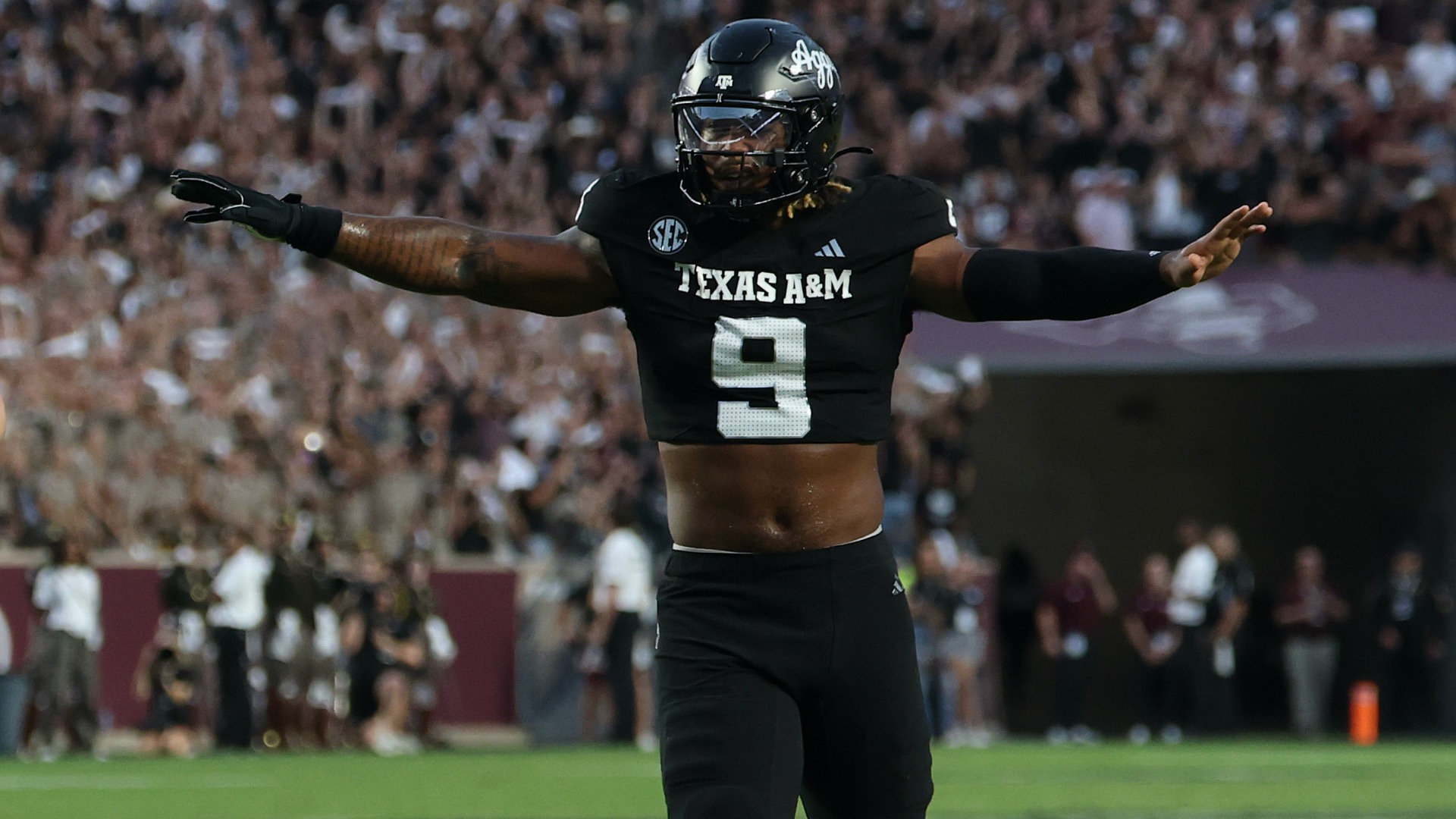
Bleacher Report’s Alex Ballentine urged the 49ers to avoid one Round 1 prospect: Texas A&M edge rusher Cashius Howell. Howell posted notable college production but is undersized for an NFL edge at 6’2” and about 253 pounds, with limited arm length. With Mykel Williams, Nick Bosa, and Keion White already in the edge mix, Ballentine argued Howell’s profile may not fit the 49ers’ current defensive plans.
The 49ers remain focused on contending now while building for the future, using AI as part of a broader effort to identify and develop the next wave of players. As the draft approaches, the outcome will hinge on how effectively AI-assisted insights translate into on-field impact for a team with an aging core.