The discussion comes as Seattle faces roster overhauls from free agency, including the departure of Super Bowl MVP Kenneth Walker and the losses of cornerback Riq Woolen and edge rusher Boye Mafe. Those moves underscore pressing needs at cornerback and on the edge, complicating how the Seahawks should approach the opening round.
Bleacher Report’s Alex Ballentine didn’t dismiss Price’s talent but argued against using the first pick on a running back. “Spending the first one on a running back is simply a luxury they can’t afford,” he said, suggesting Seattle would be better served by targeting a cornerback or edge prospect at No. 32 and finding a capable back later in the draft.
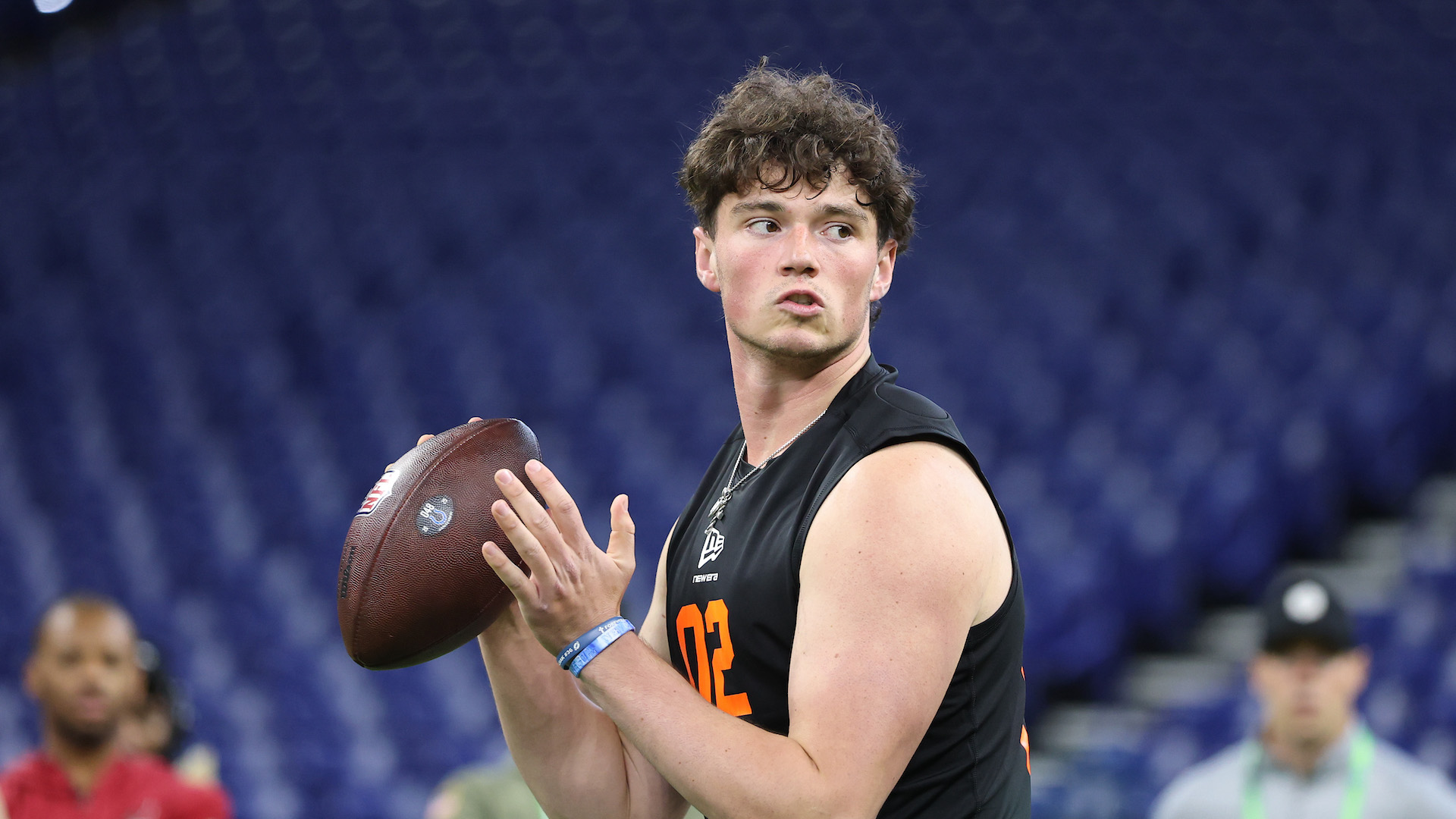
Price’s profile remains that of a potential Day 2 selection, with projections placing him in the mix for a higher pick if the value aligns. In college, he posted 674 rushing yards and 11 rushing touchdowns on about six yards per carry, plus six receptions for 87 yards and two more scores. NFL evaluators have him among the top running backs in the class, though opinions vary on where his ceiling sits.
Ballentine’s stance could shift if Seattle trades down from No. 32 into the second round, opening the door to considering Price as a value option later in the draft. In the meantime, Seattle’s backfield already includes Zach Charbonnet and Emanuel Wilson, with Charbonnet returning from a knee injury and several other backs—George Holani, Kenny McIntosh, Cam Akers, Velus Jones Jr., Jacardia Wright—on the depth chart or in consideration.
The debate highlights the core question for Seattle at the No. 32 pick: how to balance positional value with talent. A luxury move at running back may clash with needs at cornerback and edge, but Price’s development and the team’s evolving roster could keep him in the conversation for Day 2 or beyond if Seattle chooses to trade back or wait for a more fitting opportunity.