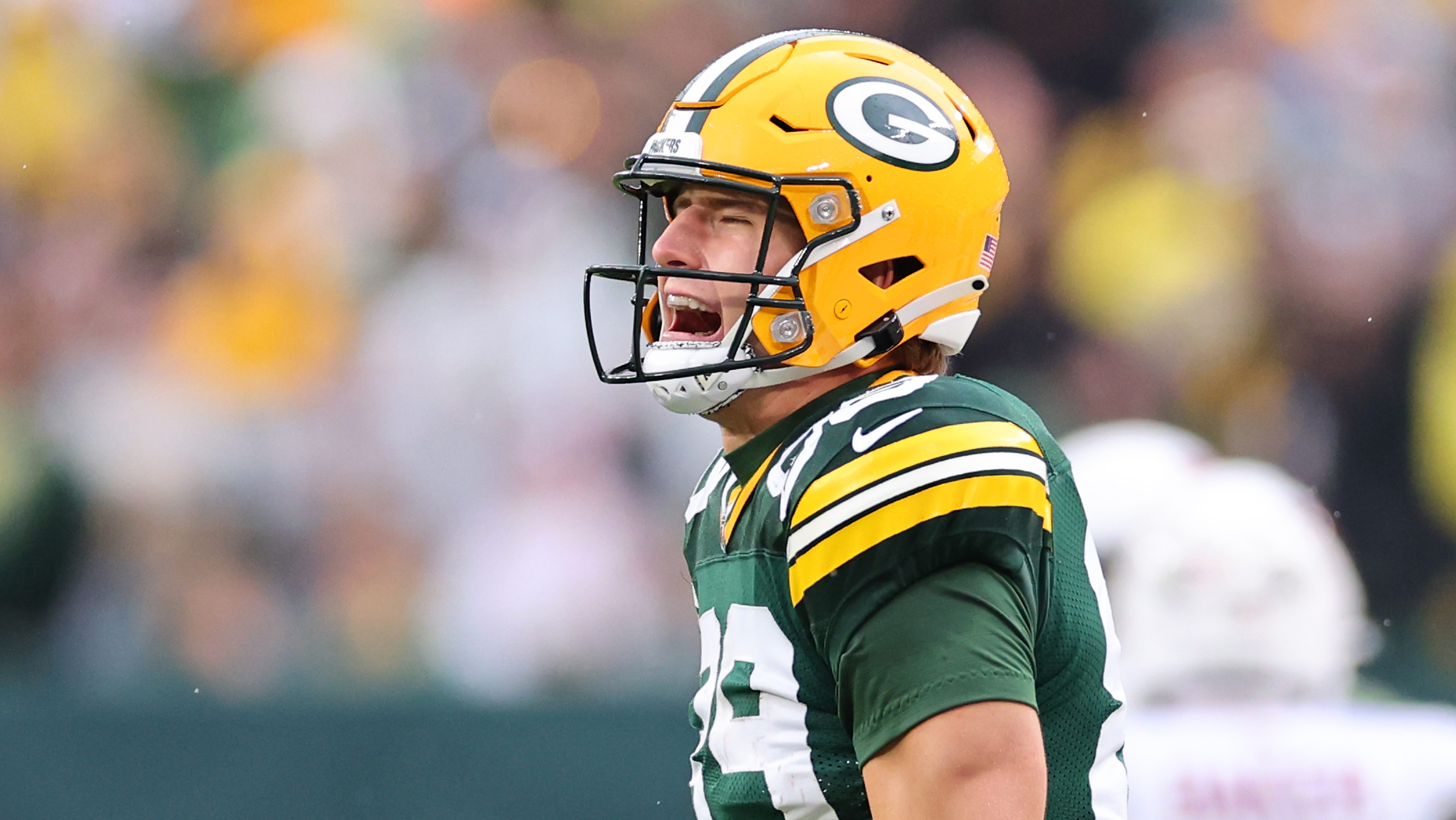
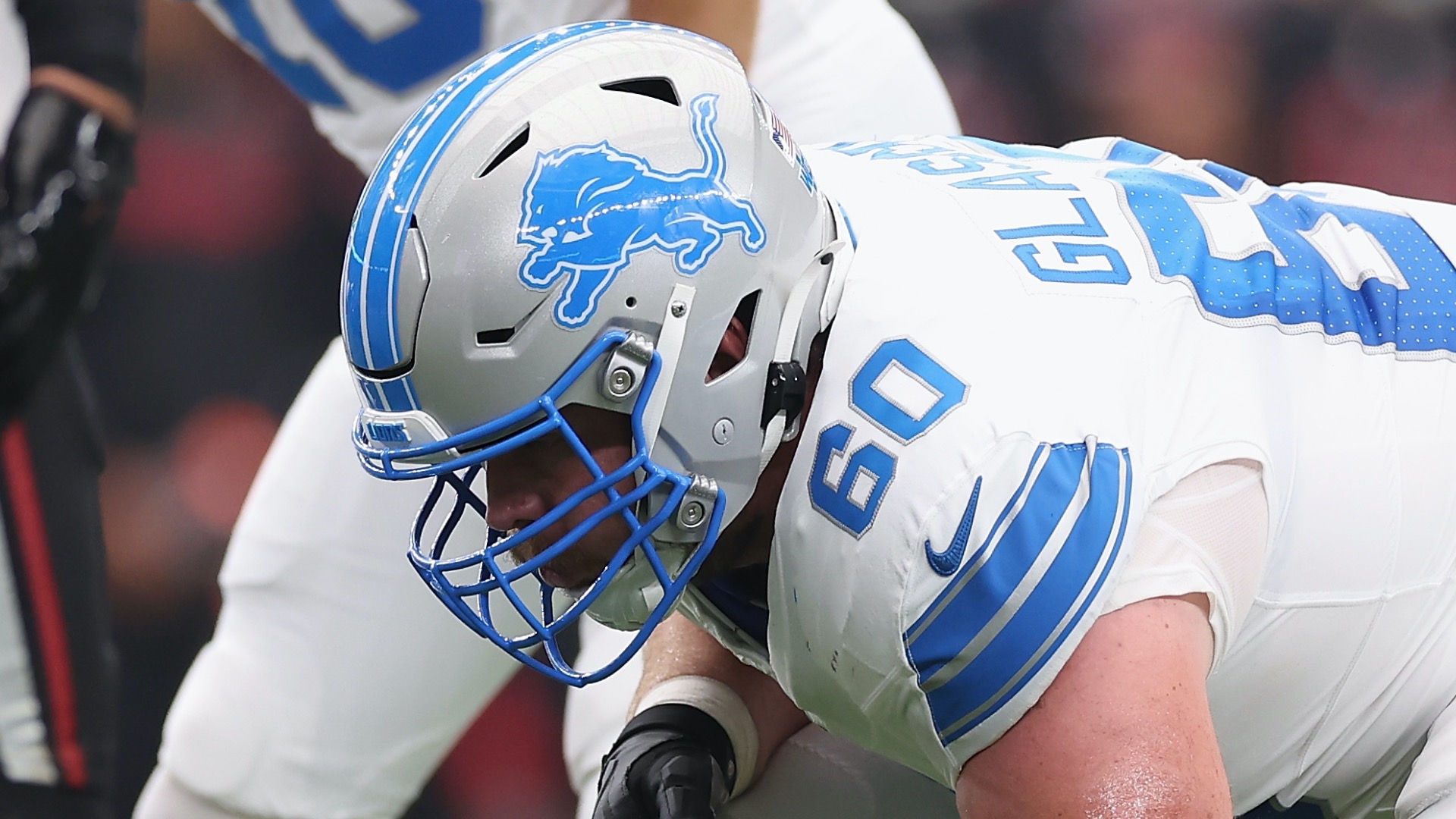
Greenard learned of the move while at a Philadelphia NBA playoff game, and he remained upbeat about joining the defending NFC champions. He praised the Eagles’ defensive scheme and Vic Fangio, calling the coordinator a “genius” and expressing excitement to contribute with his usual energy.
Vikings general manager Rob Brzezinski acknowledged the trade’s immediate impact, noting that while Greenard is an impact player, the move wasn’t aimed at improving Minnesota today. He stressed that the decision was driven by broader factors, including economics, and emphasized that the organization believes it makes sense for the future.
The Vikings also outlined plans to replace Greenard’s production with younger talent, including first-round pick Dallas Turner and other developing edge-rushers. Turner, who joined Minnesota at No. 17 overall in 2024, shares a path with Andrew Van Ginkel to step into a starting role, provided Turner’s continued development and health.
Beyond the edge-rush position, Minnesota’s draft strategy included selecting interior linemen such as Caleb Banks and Dominique Orange to bolster the defense, while maintaining flexibility at linebacker with prospects like Jake Golday. The overall aim is to sustain competitive depth and pass-rush potential under Brian Flores’ system, even as the team transitions from Greenard’s production.