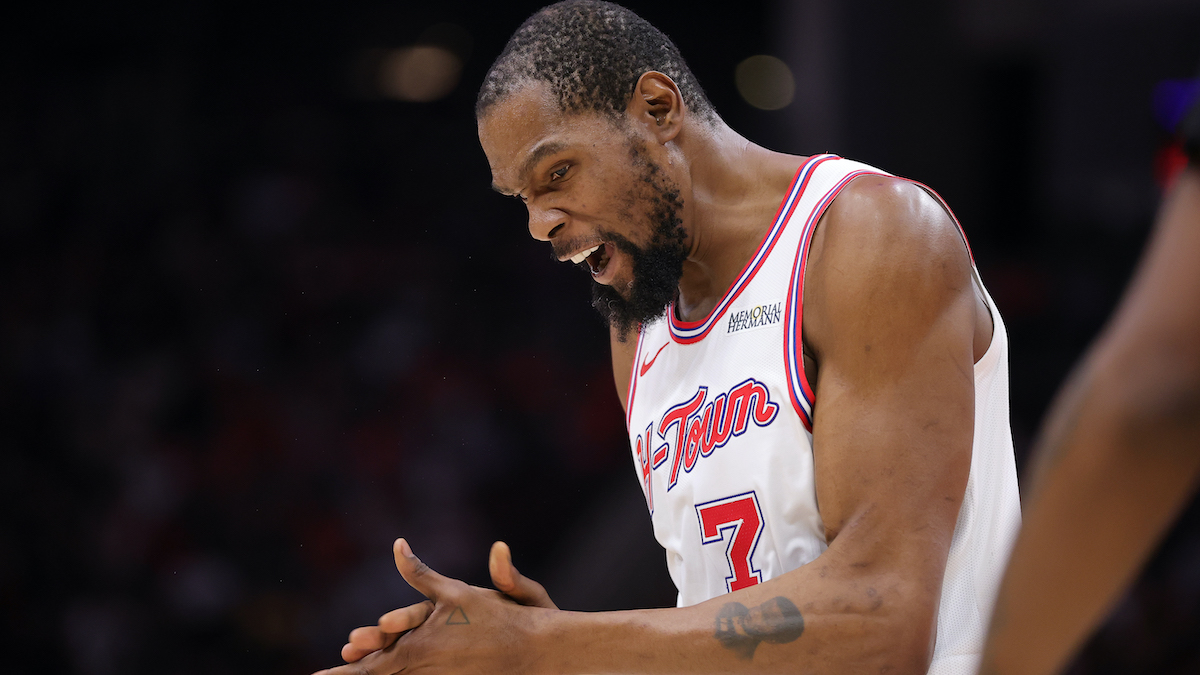
In Game 1, Edwards logged 38 minutes but appeared far from his usual explosive self. He finished with 22 points on 7-for-19 shooting, just 2-for-9 from three, along with nine rebounds and seven assists. His movement looked constrained and his bursts were noticeably hampered, suggesting the lingering knee issue that has plagued him down the stretch of the regular season.
Edwards has been managing a knee injury for weeks, a problem that kept him out of 11 of Minnesota’s final 14 regular-season games. While the Wolves hoped to have him fresh for the playoffs, the pain resurfaced under the playoff grind, leaving his status for Monday’s game as questionable at best.
The if-healthy Edwards is central to Minnesota’s offensive identity and their ability to contest Denver’s methodical defense. Without him, Chicago’s playoff-tested core remains but generating consistent scoring becomes a taller order against a Nuggets squad that benefits from a more straightforward defensive approach with Edwards sidelined.
Denver, meanwhile, would welcome a lighter load on Edwards given how he has frequently troubled them with his athleticism and scoring punch in the postseason. In last year’s Western Conference semifinals, Edwards averaged 27.7 points, 5.1 rebounds and 5.7 assists across seven games, a playoff pedigree that shapes how the Nuggets defend Minnesota.
As Game 2 approaches, the Wolves face a clear decision: push Edwards to play through the pain or proceed with a cautious approach to protect him for the remainder of the series. His health will largely determine whether Minnesota can counter Denver’s depth and extend the series, or if the Nuggets seize the initiative with a more manageable defensive game plan.