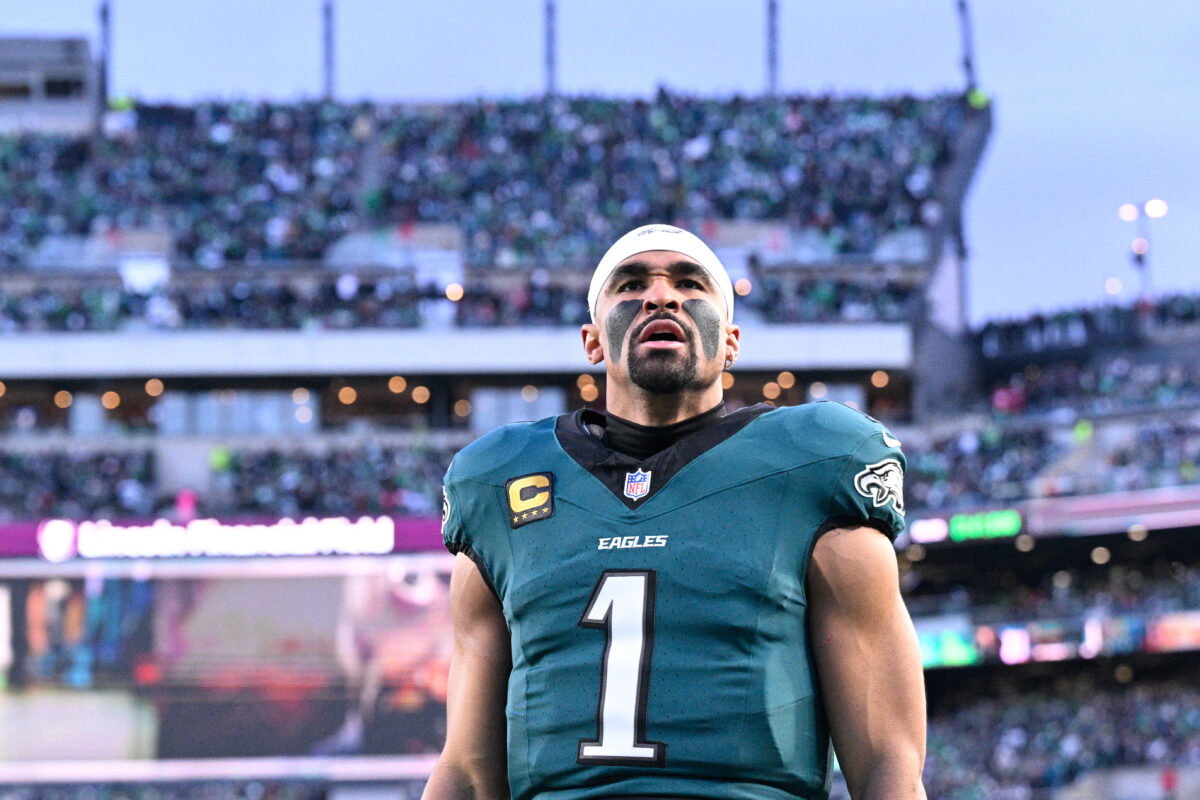
Additional context from medical briefings noted that early recommendations advised Hurts not to sleep as a precaution after the superficial clot was detected, leading to about 36 hours of wakefulness before the London game. This, coupled with the evolving diagnosis, has put the team in a position where a backup quarterback will lead the offense for the foreseeable future. Hurts’ absence contributed to the Eagles’ adjustments during Week 6, during which backup Tanner McKee started and completed 26 of 45 passes for 215 yards, with one touchdown and no interceptions, but the team still fell short.
The situation has drawn scrutiny from fans and analysts regarding player safety and medical decision-making. Critics have argued that a blood clot can be life-threatening, and questions have been raised about the timing of on-field decisions following the initial finding. The discussion has underscored the importance of rigorous medical evaluation and cautious return-to-play protocols for athletes facing vascular issues.
As the Eagles navigate the season without their starting quarterback, the organization will rely on its depth chart and coaching staff to adjust the offense. The team has begun planning for the weeks ahead, aiming to stabilize performance and continue competing while managing Hurts’ absence. The upcoming schedule features key NFC matchups as the Eagles strive to climb back from a challenging start to the year.
This development marks a major turning point for the team, with the organization, players, and coaching staff focusing on medical recovery, player safety, and strategic adjustments to maintain competitiveness for the remainder of the season.