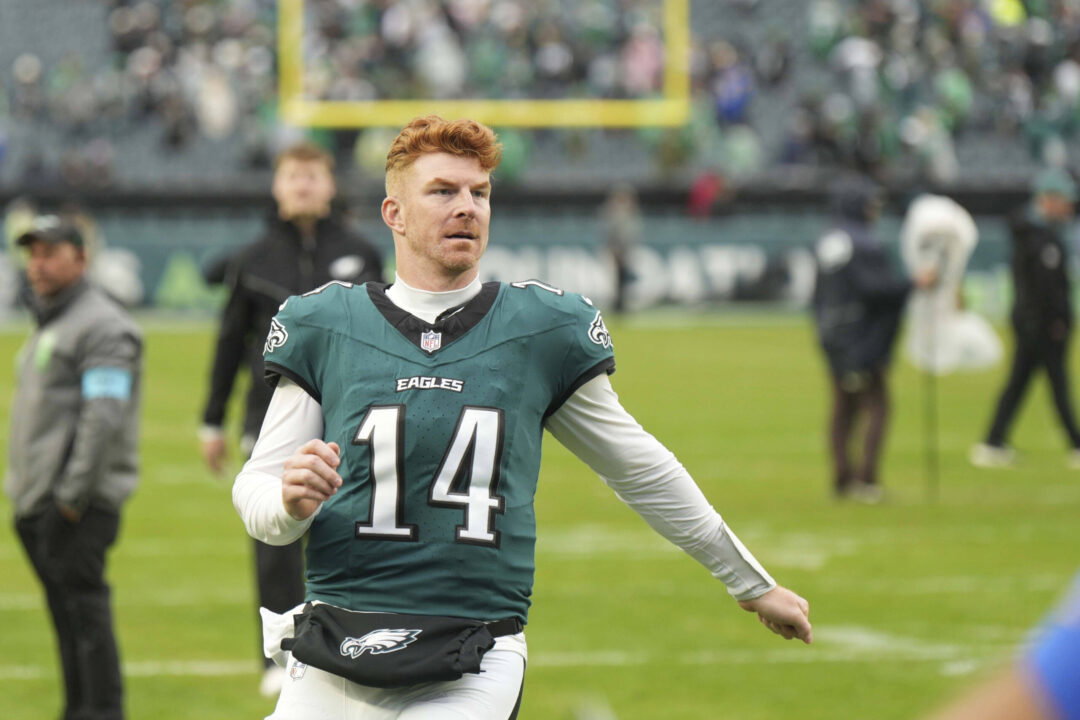
Following the medical guidance, Hurts stayed awake for approximately 36 hours before taking the field against the Jacksonville Jaguars. On Monday, reports emerged that Hurts would miss the remainder of the season after doctors found multiple blood clots in his lungs.
A prominent NFL insider stated on social media that Hurts would be out for the season due to the lung clots. The diagnosis confirmed the presence of clots in Hurts’ lungs, and he is expected to undergo treatment that could last around three months. The Eagles’ medical staff faced scrutiny for allowing him to play in Week 5 after learning of the clot’s existence.
Reaction from fans has been critical, with many questioning the decision to clear Hurts for play after the calf injury and the subsequent discovery of a superficial clot. Some comments accused the Eagles’ medical staff of prioritizing performance over player welfare and called for accountability or investigation.
Medical experts noted that the phrasing used by the team to describe the clot—“movement in the small blood clot”—is not typical language for this condition. They emphasized that not providing clear information can hinder public understanding and proper assessment. Physicians also suggested that the calf injury could have contributed to the seriousness of the clotting issue, and highlighted the potential risk of the condition spreading to deeper veins, which can be life-threatening if not managed promptly.
There was additional discussion about the decision to travel with a known clot to London. The team explained that the plan was based on activity benefits, with Hurts remaining clinically stable and expected to receive anticoagulant treatment (blood thinners). The medical update noted no significant functional limitations at that time.
Heading into the season, the Eagles stood at a 2-4 record with a four-game losing streak, including a 25-14 setback to Carolina. Tanner McKee, who had appeared in seven career games, started the Week 5 game and was anticipated to continue in that role. The next schedule item for the team was a matchup with the Dallas Cowboys on Monday Night Football.
This situation underscores the importance of transparent medical communications and careful return-to-play decisions when a player faces conditions involving blood clots, particularly when travel and intensive competition are involved. Continuous monitoring, clear symptom reporting, and adherence to medical best practices are essential to safeguard player health and long-term well-being.