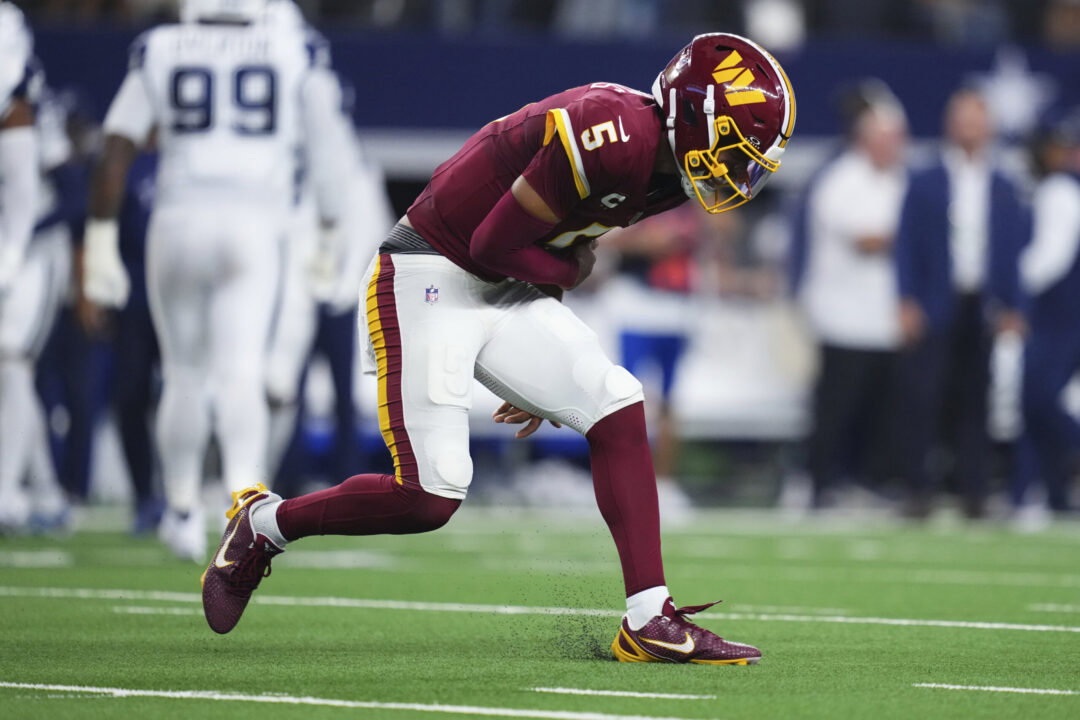
Defensive back DaShawn Spears is done for the 2026 season after an MRI confirmed a torn ACL. Spears, who has been a key contributor at the STAR position—an hybrid role that blends safety coverage with near-linebacker duties—left the game early in the second quarter. With 14:24 remaining in the period, Ole Miss running back Kewan Lacy broke free for a 22-yard gain. Spears reacted quickly, moving toward the ball carrier, but a blocker inadvertently redirected a teammate into him. The collision caused Spears’ leg to buckle awkwardly as his foot remained planted, forcing him to leave the field on crutches and ending his season. The setback is a significant loss for LSU’s defense, which relies on Spears to line up in space against agile slot receivers and to provide versatile pressure from the edge.
In the middle of Baker’s defensive scheme, Spears’ absence opens opportunities for younger players to step up. The Star position has demanded a lot this season, as it requires the ability to man-match against fast receivers while also collapsing the edge in rushing scenarios. Spears had been emerging as a breakout performer in his first full year as a starter, contributing seven tackles (five solo, one for a loss), a sack, a quarterback hurry, and a pass breakup across LSU’s early-season wins over Clemson and Louisiana Tech. His trajectory had been trending upward after appearing in 26 games with four starts in his first two seasons, including a standout 2025 campaign in which he posted 29 tackles, two interceptions, and earned SEC Defensive Player of the Week honors against Florida.
With Spears sidelined, sophomores and redshirt freshmen will be asked to fill the void. CJ Jimcoily and Jhase Thomas are expected to see increased workload as LSU navigates the next stretch of games without one of its top change-of-pace defenders.
On the offensive side, LSU dodged a much larger scare when tight end Trey’Dez Green, who had to be carted off the field due to a frightening knee injury, did not suffer a season-ending diagnosis. An MRI determined there were no torn ligaments, and surgery will not be required. Nevertheless, Green endured severe sprains and deep bone bruises, making him unavailable for multiple games. Before his departure, Green was a pivotal target, leading the team with four receptions for 60 yards and proving to be one of the offense’s most explosive playmakers. His absence will test LSU’s depth at the position, particularly in a year when the passing game relies heavily on his ability to stretch the field and create mismatches.
The team did receive some relief in other medical evaluations. Wide receiver Phillip Wright III, who also missed time due to injury, will undergo surgery for a separate issue and is out for the season. Wright’s absence deprives LSU of a dynamic return man and a playmaker in the aerial attack, further testing the depth behind primary targets.
In response to these injuries, LSU’s passing game and receiving corps will need to lean on depth pieces such as Malachi Thomas and Zach Grace. These players, along with others in the receiver room, will be tasked with maintaining the production needed to support the offense as it faces a challenging slate ahead.
Head coach Lane Kiffin captured the emotional weight of the weekend, noting that the impact of injuries can be more meaningful than the result on the scoreboard. He emphasized the importance of keeping younger players healthy and ready to contribute, underscoring the long view of building a resilient program.
LSU dropped to No. 11 in the latest Coaches Poll following the loss, a position that adds urgency to the team’s preparation as they return home for a Saturday night matchup. The Tigers are set to host a ranked opponent in Texas A&M, a test that will reveal how the team responds to adversity and how well its depth can rise to the occasion.
The upcoming game is scheduled for kickoff at 6:30 p.m. Central Time. It represents a critical opportunity for LSU to rebound quickly, demonstrate the resilience of its squad, and show that the season’s trajectory remains firmly in their control despite the injuries that have tested the program.
Overall, the weekend delivered a mixed bag of news: a season-ending injury for a key defensive starter, a non-surgical but serious knee injury for a key offensive weapon, and the ongoing challenge of managing a roster through a demanding schedule. As LSU prepares for the next game, the focus will be on depth, game planning, and player development, with the program hoping to convert this difficult stretch into a springboard for the rest of the season.