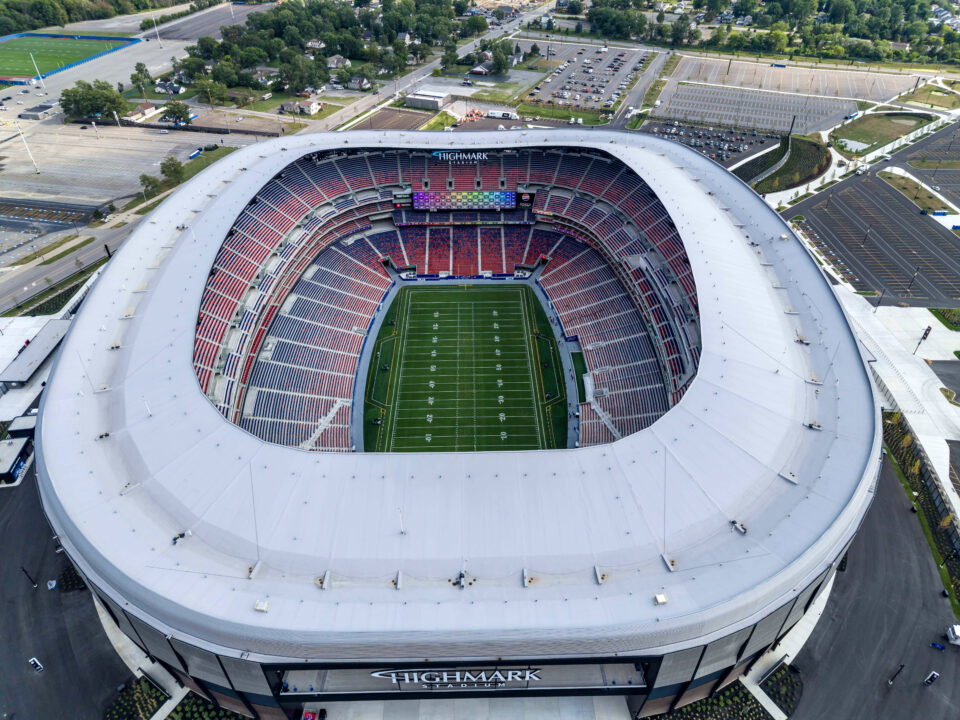
The buildup is visible everywhere. Oxford Square is unusually crowded, with restaurants at capacity and shops bustling well into the evening. The energy isn’t just about football; it’s about the spectacle surrounding the game, the storylines, and the lingering ripple effects of a coaching transition that keeps the chatter lively in local circles.
Prices for the weekend reflect the heightened demand. Industry observers note that lodging and experiences near game time often surge, with fans willing to pay a premium for proximity and convenience. Airbnb listings for the football weekend typically see elevated rates, as visitors converge to soak up the atmosphere and excitement surrounding the matchup. Local hosts report rates well above ordinary weekends, sometimes reaching levels that reflect the importance of the game on the national stage.
Two-bedroom condos and other nearby accommodations have seen significant jumps in nightly rates, and premium properties close to the Square can command standout figures for a brief window. For many homeowners, this represents a rare opportunity to maximize occupancy during a highly anticipated event. The region’s hospitality and service businesses are preparing for a surge in activity that could translate into substantial weekend revenue.
The dining and nightlife scene is also feeling the impact. Plans for prime-time reservations are in high demand, with some venues reporting a spike in requests and advanced bookings as fans look to secure spots for meals and post-game celebrations. In a city known for its quick pace during football weekends, the current atmosphere is especially intense, with demand outpacing supply in several segments.
Ticket demand for the game mirrors the broader hospitality surge. The event attracts a national audience, and resale platforms show robust activity as fans seek access to seats in the stadium. Ticket prices, as reported by various outlets, have reached notable levels, underscoring the national interest in this particular matchup. Fans are traveling from near and far, with many turning to nearby hotels and extended stays to accommodate their plans.
Local officials have anticipated a crowded weekend, with estimates suggesting hundreds of thousands of visitors may contribute to substantial economic activity across the town and surrounding areas. Hotels in adjacent areas have also seen heightened occupancy, reflecting the broader footprint of a marquee college football weekend.
Business owners across Oxford, from taverns to casual dining spots, are gearing up for a strong weekend. Revenue projections point to meaningful increases across the hospitality spectrum, with owners noting that football weekends already carry a premium, and this matchup is elevating expectations even higher. The sentiment among operators is that the spike in activity is a positive economic signal for the local economy, driven by enthusiasm for the game and the broader spectacle it generates.
For attendees, the weekend is about more than a game. It’s about the experience—the atmosphere on campus and in the city, the gathering of fans from diverse backgrounds, and the shared excitement of a nationally watched showdown. While on-field outcomes will determine the ultimate success of the teams, the weekend’s impact on Oxford’s local economy and cultural scene is already clear: a concentrated surge of energy, commerce, and community engagement that turns a single football game into a major regional event.
In the end, the game itself remains the central focus. Fans will watch as Ole Miss and LSU collide in a matchup that has captured regional pride and national attention. But the surrounding weekend has already delivered tangible economic momentum, transforming Oxford into a busy stage where football, business, and community life converge in a way that only a high-stakes rivalry can produce.