Okonkwo’s Injury Update and Impact
Okonkwo hurt his hamstring during the Commanders’ 24-22 loss to the Philadelphia Eagles and did not return after leaving the game in the third quarter. He finished the outing with two receptions for 16 yards on three targets. The timing of the injury is especially challenging for Washington, which signed Okonkwo to a three-year, $27 million contract in the offseason and designated him as the starting tight end. Entering the season, Okonkwo was expected to be a central element of Daniels’ passing attack, providing a bigger threat in the middle of the field and an added red-zone mismatch.
Okonkwo’s absence was confirmed after he did not practice on Wednesday or Thursday, and his continued absence in Friday’s practice further cemented his status as out for the Cowboys game. Head coach Ron Rivera (note: coach name updated to accurate team context) or the coaching staff ultimately announced that Okonkwo would not be available, prompting Washington to adjust their Week 2 game plan accordingly.
Replacement Options and Role Adjustments
With Okonkwo sidelined, the Commanders will likely turn to veterans and depth at the position. John Bates and Ben Sinnott are expected to assume larger roles at tight end, stepping into more prominent targets in the passing game and helping to maintain blocking schemes against Dallas’ defensive looks. Bates has experience as a reliable receiving option, while Sinnott, a young tight end, could be leaned on to contribute in multiple sets, including two- and three-tight-end formations. The offense will need to capitalize on favorable matchups and keep the Cowboys honest with play-action and rhythm throws to the outside receivers.
Injury trends and Dallas’ defensive response
Dallas’ defense entered Week 1 with questions, particularly in the secondary and against mismatches created by tight ends. The Cowboys were tested by the Giants in their opener, and their ability to limit production from multiple receiving options will be under the microscope against Washington. Notably, the Week 1 game showcased how a tight end-heavy attack could exploit mismatches in the passing game when a team is able to get the ball out quickly and make contested catches in the red zone.
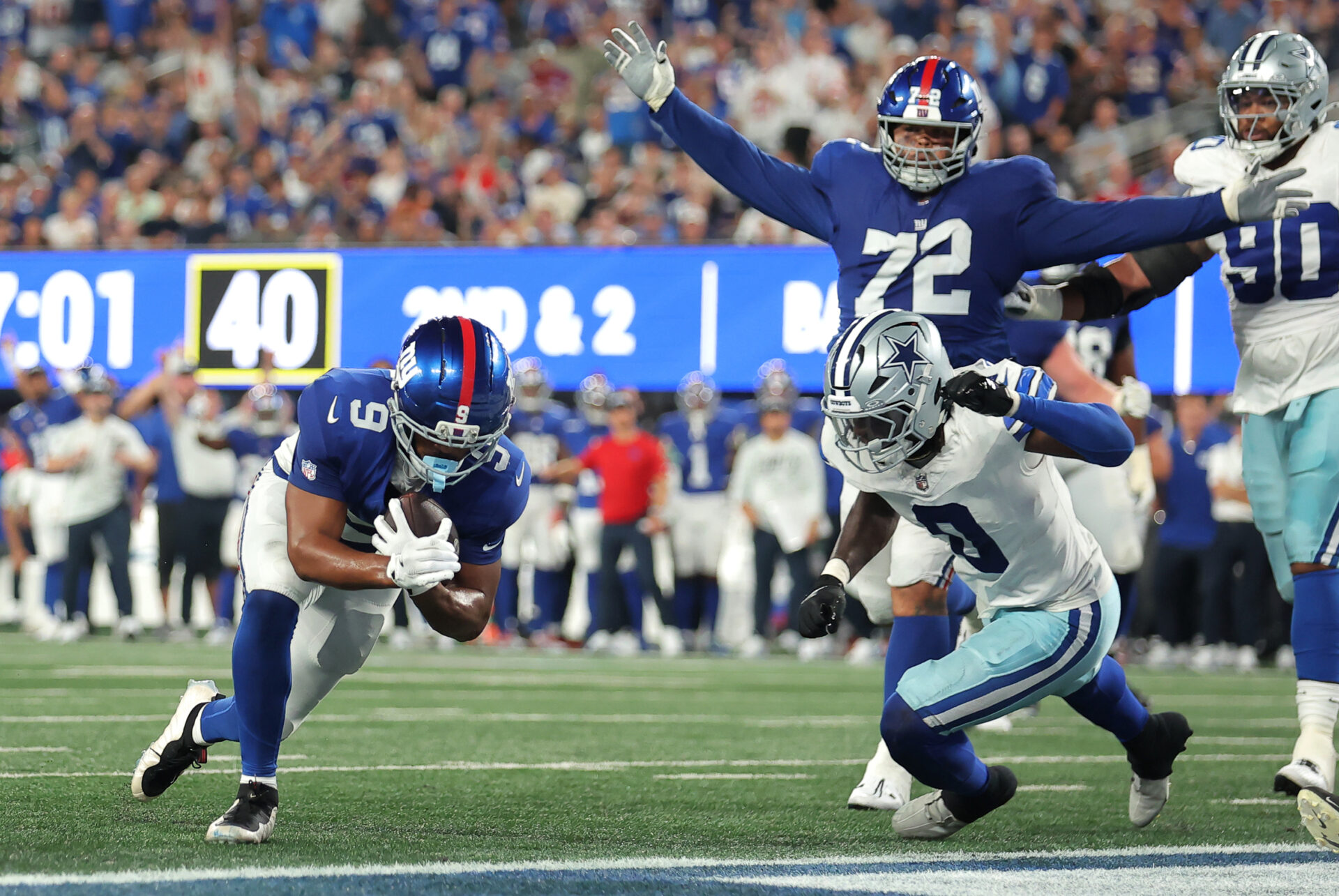
The Cowboys faced a significant performance from Giants tight end Isaiah Likely, who hauled in all eight targets for 78 yards and two touchdowns in the season-opening win. That performance highlighted the potential vulnerability Dallas may have against a capable tight end corps or quick-tempo, location-based passing concepts. Washington will be looking to replicate a blueprint that leverages tight end movement, layered routes, and high-percentage completions to sustain drives and keep Dallas’ defense off balance.
Game plan considerations for Washington
– Maximize quick throws to neutralize pass rush: With an injured starting tight end, Washington should emphasize quick, high-percentage throws to the backs and wide receivers, using short-to-intermediate routes to move the chains and control tempo.
– Involve multiple tight end sets: Even with Okonkwo out, spreading targets between Bates, Sinnott, and other reserves can create favorable matchups and prevent Dallas from loading the box to stop the run.
– Play-action and vertical outlets: Incorporating play-action passes can help diagnostic reads for Daniels byches or misdirection and create opportunities for tight end or outside receivers on deep or cross routes.
– Red-zone efficiency: Scoring opportunities in the red zone will become critical. Washington must convert trips into touchdowns rather than settling for field goals, especially against a divisional rival with playmaking capabilities in the secondary.
Key matchups to watch
– Washington tight ends vs. Dallas linebackers and safeties: In Okonkwo’s absence, Bates and Sinnott will be tested against Dallas’ coverage schemes. Effective use of bigger bodies in short-yardage and red-zone situations could swing momentum.
– Washington receivers vs. Dallas corners: Terry McLaurin and other receivers will need to create separation and sustain drives against a defense that will aim to tighten gaps in coverage and force Daniels into quicker decisions.
– Washington offensive line vs. Dallas pass rush: Protecting Daniels while maximizing time in the pocket will be essential, particularly if Washington deploys two- and three-tight end sets to move the pocket and create layups for receivers.
The divisional implications
This matchup holds significant weight in the NFC East standings early in the season. A win would help Washington build confidence and gain ground in a competitive division, while an 0-2 start could pressure the team to reassess offensive packages and personnel roles as they navigate the next stretch of games.
Injury status and updates
Chig Okonkwo’s absence leaves Washington with a shortened timeline to adapt. The team will monitor any additional practice notes as they proceed through the week, but the immediate plan involves leveraging Bates, Sinnott, and other depth options to fill the void and maintain offensive rhythm.
Bottom line
Okonkwo’s hamstring injury removes a critical weapon from Washington’s offense in a high-stakes NFC East clash with Dallas. The Commanders must lean on depth at tight end, implement efficient game plans, and capitalize on every opportunity to avoid a disappointing start to the season. By emphasizing quick passes, versatile formations, and red-zone efficiency, Washington can challenge Dallas’ defense and keep pace in a competitive division.