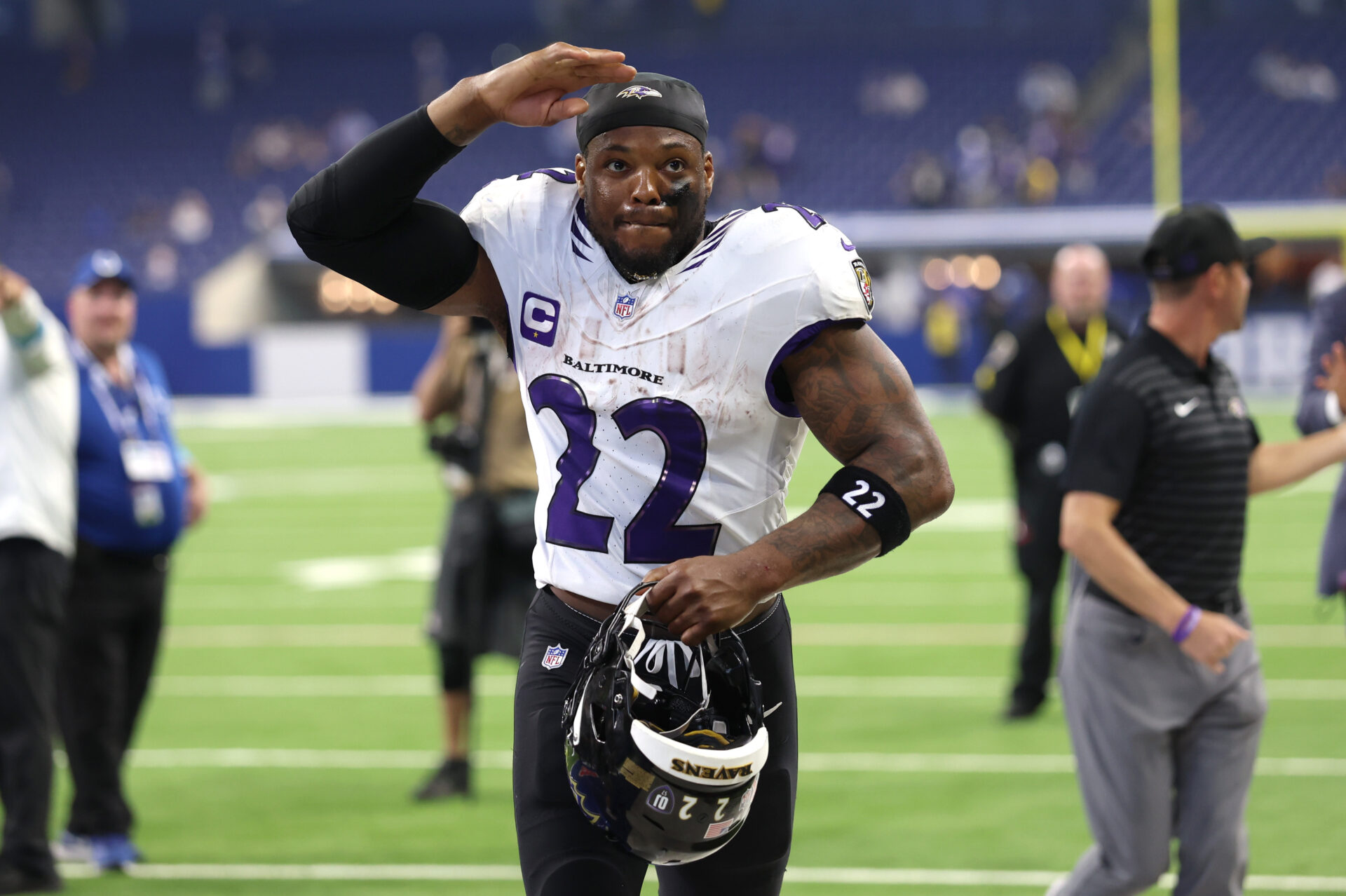
Al-Shaair’s eye-black message read “Hind Rajab,” a name that drew widespread attention in the days following the game. Hind Rajab was a five-year-old Palestinian girl who was killed in Gaza in a high-profile incident that drew international condemnation and extensive media coverage. The tragedy highlighted the human cost of ongoing conflicts and sparked renewed conversations about civilian casualties in conflict zones. However, the NFL’s policy on game-day gear prohibits players from wearing personal, political, or memorial messages on eye black or other equipment. The league maintains that any unauthorized message can lead to disciplinary action, including fines.
This incident is not the first time Al-Shaair has faced league discipline for expressing personal or political views through eye-black messages. The linebacker, who identifies as Muslim, has a history of using his platform to raise awareness about injustices and humanitarian concerns. On one prior occasion, he wore eye black with a message that read “Stop The Genocide” during a playoff game against the Pittsburgh Steelers. He had intended to display the message during the subsequent game against the New England Patriots, but was instructed that continuing with the message would violate NFL policies and could result in his suspension or removal from play. He ultimately removed the message before the game began.
The NFL’s policy aims to maintain a consistent, distraction-free environment on the field and to avoid politicizing the competitive experience for players and fans alike. While athletes often seek to draw attention to important social issues, the league’s rules restrict personal statements on equipment during games. Fines are issued when players wear unauthorized messages, regardless of the message’s intent or significance to the individual.
The balance between free expression and league rules is a common topic of discussion among players, fans, and commentators. Proponents of player expression argue that athletes use their platforms to spotlight human rights concerns and injustices, particularly when these issues affect vulnerable communities. Critics, however, contend that the NFL’s primary responsibility is to ensure a neutral and focused game-day environment and that personal messages should be conveyed through appropriate channels outside of game-day gear.
Looking ahead, the Texans prepare for their Week 2 matchup against the Cincinnati Bengals at NRG Stadium. For players like Al-Shaair, the question remains: will they continue to use eye-black or other in-game gear to convey personal messages, or will they adhere strictly to the league’s policy to avoid fines? The answer may shape how the team and its players navigate the tension between personal advocacy and league guidelines as the season progresses.
Meanwhile, fans and analysts will be watching closely to see how the NFL addresses these issues moving forward, including whether the league will consider updates to its policies or grant more latitude for players to express personal or collective messages in a manner that complies with rules. For now, the fines stand as a reminder of the boundaries players must navigate when choosing to use game-day visuals to communicate messages that matter to them.
The broader conversation surrounding athlete advocacy, political expression, and the role of professional sports leagues in moderating such expressions is ongoing. As teams move deeper into the season, many expect continued discussions about how to balance personal principles with league regulations, and how to create avenues for players to raise awareness without risking penalties.