Kyler Murray’s situation and what it means for Minnesota
– Kyler Murray made his first appearance of the season, playing only 11 snaps under center. He completed 3 of 5 passes for 19 yards and threw an interception that stemmed from a miscommunication on a blitz-heavy play. The defense had to navigate the challenge of a six-man blitz against five blockers, a designed risk in empty sets intended to pressure the quarterback or force quick decisions.
– The interception itself was the result of a misread by a lineman (a missed read on a blocking assignment) rather than a purely forced throw. The play illustrated the high-leverage nature of blitz packages and the need for precise blocking in those situations.
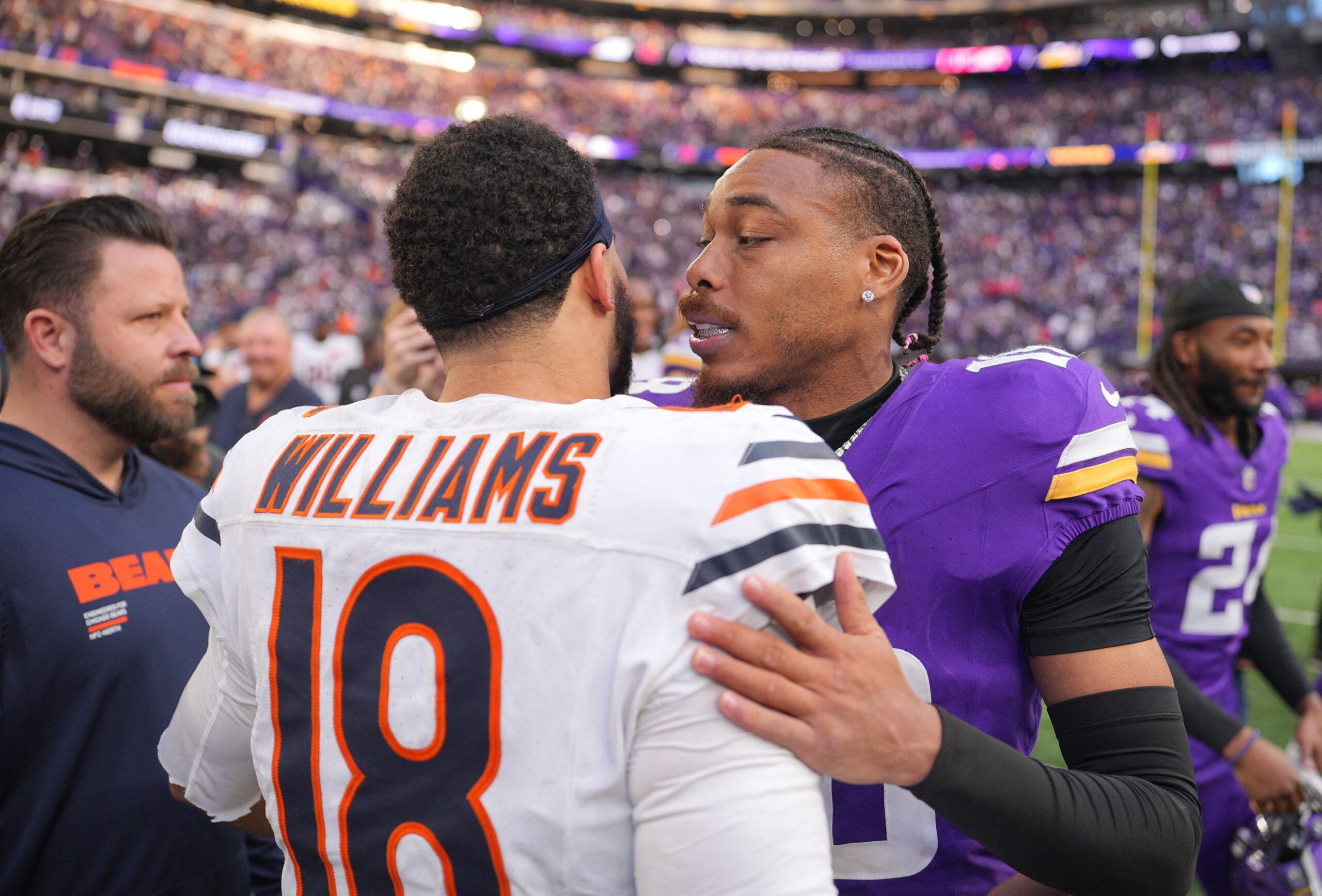
– Despite the early hiccup, Murray showed moments of promise. He escaped pressure on a scramble for around eight yards and delivered a productive third-down completion to Justin Jefferson. The run game displayed intriguing wrinkles, including motion options and a usage pattern with Max Bredeson in the mix. Murray lined up in pistol at the game’s outset, a formation Minnesota had worked on during camp.
– The broader question now centers on how Murray’s presence shapes the offense, especially given the concussion he sustained during the game. The durability and recovery timeline will influence whether he plays in the next contest, which in turn affects how the Vikings game-plan around him.
Dallas Turner’s breakout impression
– Dallas Turner’s performance stood out as a bright spot. Various evaluators credited him with a high number of pressures—nearly double digits by multiple metrics. Even if the exact figure varies by source, the takeaway is consistent: Turner was disruptive at a rate that exceeded expectations for a player in his third year and transitioning into a full-time starter role.
– Turner demonstrated versatility: he pressured from the edge, showed competence in dropping into coverage, and used power and speed to overwhelm Packers blockers. He tallied a key early hit on the quarterback and continued to apply pressure throughout the game, including a sack late and a critical strip-sack sequence that helped seal the win.
– The big question remains: can Turner sustain this level of impact consistently? Nine pressures in a single game are not a sustainable baseline week-to-week, but the initial impression points to the potential for Turner to become a cornerstone pass-rusher if he can maintain that level of productivity.
The Theo Jackson problem
– Theo Jackson received more playing time than anticipated, filling a role at safety that has been inconsistent in recent seasons. Jackson’s performance highlighted a recurring issue: taking poor angles and misreading run paths from depth, which can be devastating in the last line of defense.
– A notable example occurred early when Packers receiver Christian Watson turned a short route into an 81-yard touchdown, aided by a misstep on an angle by Jackson. Similar concerns had surfaced in prior seasons, underscoring the importance of refinement at this spot.
– The extended look at Jackson raises questions about the coaching staff’s decision to rely on him in significant defensive packages, especially with Harrison Smith projected to contribute more in packages where his experience and instincts can be maximized.
Harrison Smith’s snap count and aging curve
– Harrison Smith, who joined the team late in the preseason, brings a veteran presence and immediate familiarity with Flores’ defensive scheme. However, his Week 1 usage suggested a cautious approach, with Smith playing around 25 snaps.
– The strategy appeared to allot more responsibility to Smith in high-leverage moments later in the game, which can be a smart way to preserve his effectiveness given his age and lengthy career.
– The reduced early workload also invites discussion about whether Week 1 performance was impacted by Smith’s absence during the season’s opening drives. If Smith maintains a lighter early role but remains a factor in late-game situations, Minnesota could balance veteran instinct with the need to manage wear across a demanding schedule.
Concerns about Will Fries and the offensive line
– Will Fries, stepping into a highly scrutinized role after a significant injury recovery, did not deliver the steady performance hoped for. He faced multiple challenges on the line, and one notable moment involved a misread that contributed to the Murray interception, as well as several run plays where pressure or mishandling allowed defenders to reach the quarterback.
– The overall performance of the interior line drew attention to potential durability questions and the possibility of structural adjustments needed to protect the passer and establish a more consistent run game.
– Given the cap implications and the value of a reliable guard, the coaching staff and front office may need to monitor Fries closely. If progress stagnates, options for strengthening this area could become a consideration as the season progresses.
Special teams reliability as a recurring theme
– Special teams showed rough edges in this game, featuring a long return that highlighted coverage issues and a key offsides penalty that gave the opponent another scoring opportunity.
– The unit’s overall efficiency has been a concern in recent seasons, and the game underscored the need for improved discipline and consistency in coverage and return operations. Cleaning up penalties and execution will be essential to sustaining success in close games.
Looking ahead: several questions to answer
– How good can Kyler Murray be in this system, and what is his availability for the next game? His health status will shape the Vikings’ offensive identity, including how much they lean on his mobility versus traditional drop-back passing.
– Will Dallas Turner sustain elite-pressure production, or was the Week 1 surge a breakout that regresses? The coaching staff will need to manage his workload while maximizing his impact against different opponents.
– Can Theo Jackson correct his angles and decision-making to become a reliable contributor, or will his continued misreads keep him from earning significant snaps? The safety depth chart will be a focal point as the season unfolds.
– Is Harrison Smith’s limited early playing time a tactical choice to conserve him, or a signal that the defense will rotate veterans more during high-leverage moments? How this plays out will affect communication and overall defensive rhythm.
– Will the offensive line—particularly the interior blocking—find consistency, allowing the run game to develop and the quarterback to operate with confidence? O-line continuity and technique will be critical for sustained success.
– How will the special teams units address coverage and discipline, turning potential big plays by opponents into limited opportunities? Improvement here will reduce the likelihood of giving opponents favorable field positions and scoring chances.
Bottom line
The game offered a blend of encouraging signs and pressing concerns. The Vikings demonstrated they have playmakers who can impact games, notably on defense with Turner’s performance and on offense with Murray’s moments of improvisation and efficiency in key situations. However, the issues at safety, the guard position, and the linebacking depth, alongside special teams’ inconsistencies, indicate there is substantial work ahead.
As Minnesota moves forward, the focus will be on reinforcing consistent execution across the roster: protecting the quarterback, preventing big plays when angles go awry, and tightening up the special teams unit. If the team can translate the Week 1 sparks into steady, repeatable production, they stand to build a more complete, competitive identity for the rest of the season.